Runeterra is the magical world where most League of Legends lore takes place, including its regions, champions, wars, spirit realms, ancient powers, and world-ending threats. It is not just a fantasy map behind the game. Runeterra is the shared setting that connects Demacia's ideals, Noxus' ambition, Ionia's spirit magic, Shurima's fallen empire, Piltover and Zaun's technology, the Shadow Isles' curse, the Void's hunger, and the champions who move between them.
At its simplest, Runeterra means "magic earth." The name fits because the world is shaped by magic at every level, from World Runes and celestial beings to demons, spirits, ascended god-warriors, yordles, vastaya, undead, and ordinary people trying to survive forces much older than their nations.
In plain terms, Runeterra is both a planet in the physical realm and a wider setting connected to the spirit realm, the celestial realm, and the Void. Its known map includes Valoran, Shurima, Ionia, the Serpent Isles, the Shadow Isles, Camavor, large seas, hidden lands, and many unexplored places that still leave room for future stories.
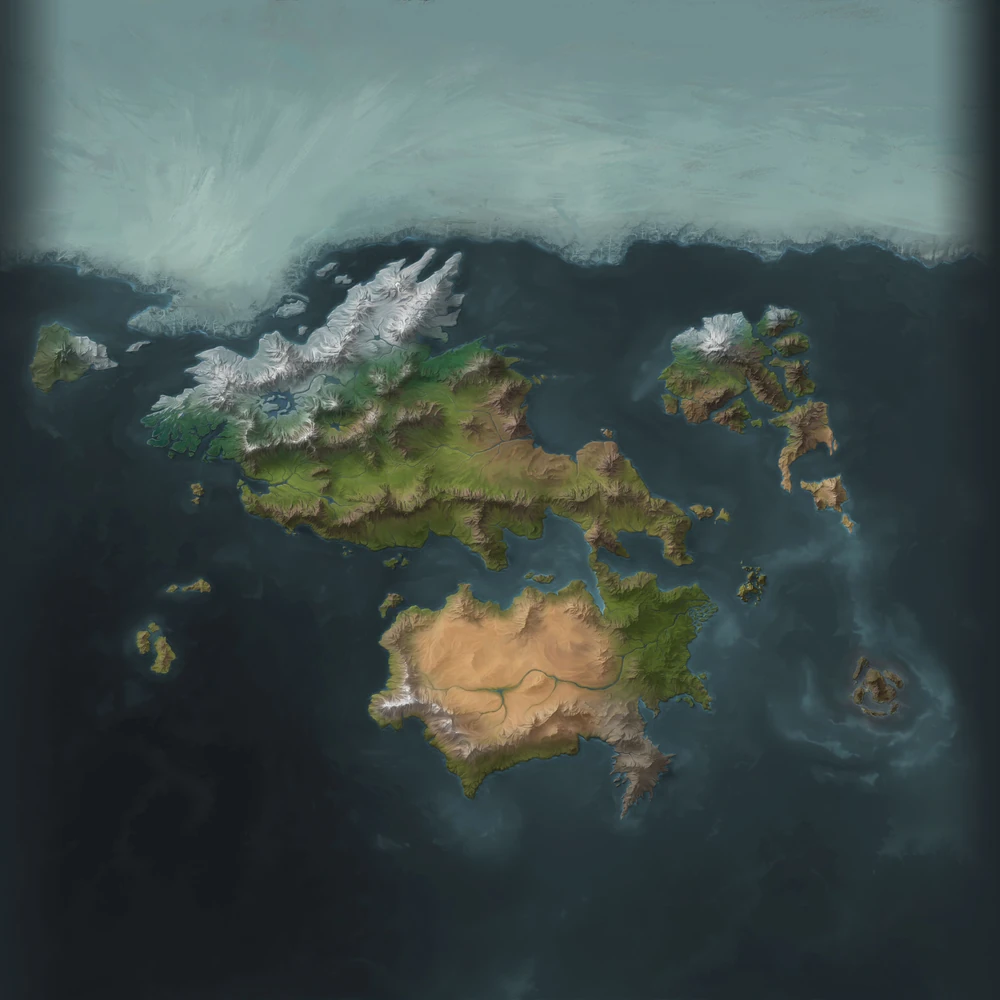
Runeterra at a glance
- What Runeterra is: the main world of League of Legends lore.
- What the name means: magic earth.
- Main known continents: Valoran, Shurima, and the Camavoran continent.
- Major connected realms: the physical realm, spirit realm, celestial realm, and the Void.
- Core story engine: powerful people, nations, and creatures trying to control magic that usually has a cost.
- Why Runeterra lore matters: it explains how every champion, region, conflict, species, and cosmic threat fits into one world.
Runeterra champions
Runeterra champions are usually characters who do not fit cleanly into one modern region. Some are wanderers, ancient survivors, spiritual forces, cursed beings, global threats, or champions whose stories cross borders too often to belong to one nation. For official champion pages, roles, and game profiles, the League of Legends site is the cleanest place to start.
| Champion | Runeterra connection | Why the champion matters |
|---|---|---|
 Aatrox | Ancient Darkin threat | Aatrox connects Runeterra to the Void War, Shurima's Ascended legacy, and the horror of immortal weapons. |
 Alistar | Minotaur survivor and rebel | Alistar shows how Runeterra's political violence reaches non-human peoples, slavery, rebellion, and personal justice. |
 Annie | Child mage tied to demonic fire | Annie makes Runeterra's magic feel intimate and frightening, especially through Tibbers and the demon Tybaulk. |
 Bard | Celestial caretaker | Bard expands Runeterra beyond mortal politics, showing that cosmic balance can matter more than any nation. |
 Brand | World Rune corrupted mage | Brand is living proof that Rune magic can turn ambition into a catastrophe that threatens the whole world. |
 Evelynn | Demon of agony | Evelynn shows that Runeterra's dangers are not only armies and monsters, but emotions that become predators. |
 Fiddlesticks | Primordial demon of fear | Fiddlesticks makes Runeterra feel ancient, haunted, and vulnerable to fears older than civilization. |
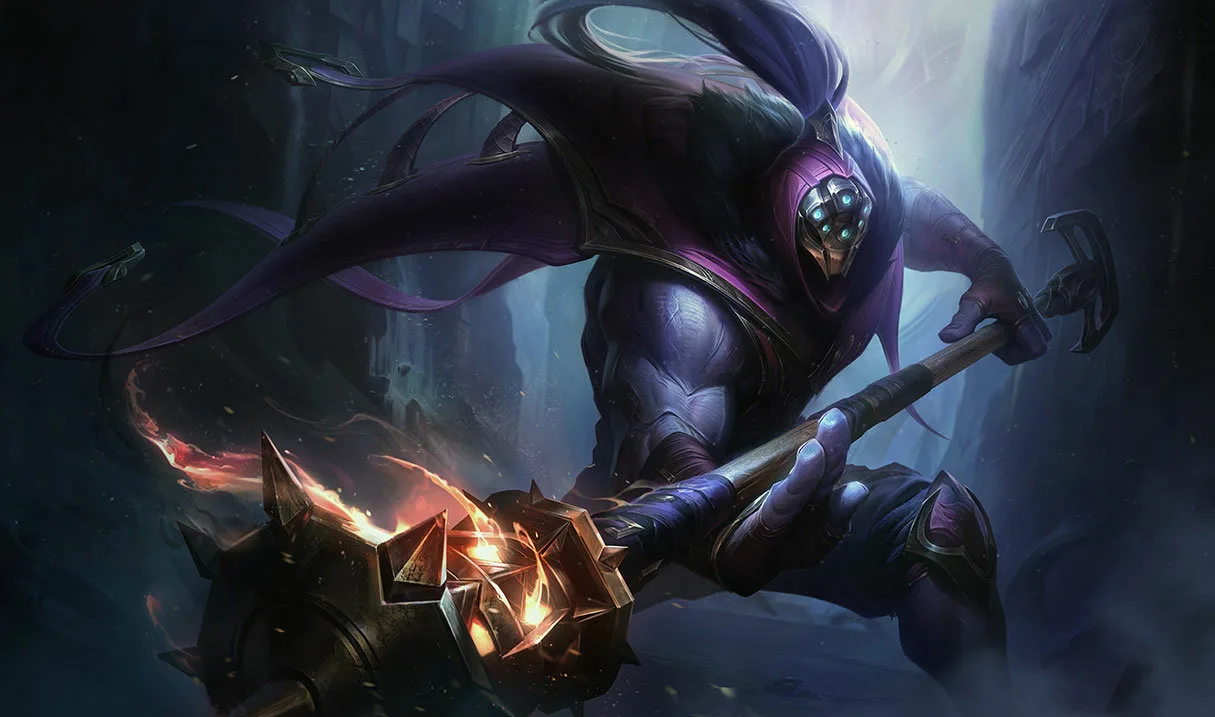
 Jax | Last survivor of fallen Icathia | Jax connects Runeterra to Icathia, the Void disaster, and the search for warriors strong enough to face what comes next. |
 Kindred | Spirit of death | Kindred gives Runeterra one of its clearest universal myths: death as Lamb and Wolf, known differently across cultures. |
 Lucian | Sentinel of Light | Lucian ties Runeterra to the Shadow Isles, the Black Mist, and the human cost of fighting undeath. |
 Nami | Marai tidecaller | Nami connects Runeterra's oceans to Targon, the Moonstone, Vastayan culture, and Voidborn threats beneath the sea. |
 Nocturne | Demon of nightmares | Nocturne shows how Runeterra's spirit dangers can turn sleep, shadow, and memory into weapons. |
 Ryze | Rune mage and world protector | Ryze is one of the best entry points into Runeterra lore because his mission is to keep World Runes away from mortals. |
 Senna | Sentinel touched by the Mist | Senna connects Runeterra to the Ruination, the Shadow Isles, Lucian, and the fight against undeath. |
 Shaco | Unclear murderous jester | Shaco is useful because he shows how much of Runeterra remains mysterious, even around old champion identities. |
 Tahm Kench | Demon of addiction | Tahm Kench turns Runeterra's greed, bargains, appetite, and self-deception into a character who eats consequences. |
 Zilean | Chronomancer from Icathia | Zilean makes Runeterra's timeline feel unstable, haunted by a disaster he is still trying to understand and survive. |
These Runeterra champions work because they widen the setting. They are not just neutral characters. They are proof that the world has powers, survivors, spirits, demons, and wanderers too large or strange to fit neatly inside one capital city.
Runeterra lore and the shape of the world
Runeterra lore is built around overlapping worlds. The physical realm contains the nations, seas, mountains, deserts, islands, forests, and cities most champions live in. The spirit realm sits alongside it, touching places like Ionia and Bandle City more visibly than most. The celestial realm includes powers connected to Targon and cosmic order. The Void sits outside life and magic, pressing against reality as a threat of unmaking.
That layered structure is what makes Runeterra different from a normal fantasy continent. A political war can become a spiritual crisis. A magical artifact can reshape a nation. A region like Piltover can build machines that disrupt older forms of life. A forgotten kingdom like Camavor can cause a global disaster long after its king dies.
The official Universe lore archive is the best place to browse stories, champion bios, and region entries directly from Riot. It works especially well once you understand the world map, because names like Shurima, Ionia, Targon, and the Shadow Isles stop feeling isolated and start connecting into one timeline.
Riot's dev diary on exploring Runeterra gives a useful sense of why the setting keeps expanding beyond a single game mode or one region at a time.
That broader view matters because Runeterra is not only background flavor. It is the foundation for champion motivations, regional conflicts, future stories, and the way League of Legends can move from arena combat into novels, cinematics, card games, shows, and lore events.
The Runeterra map and major regions
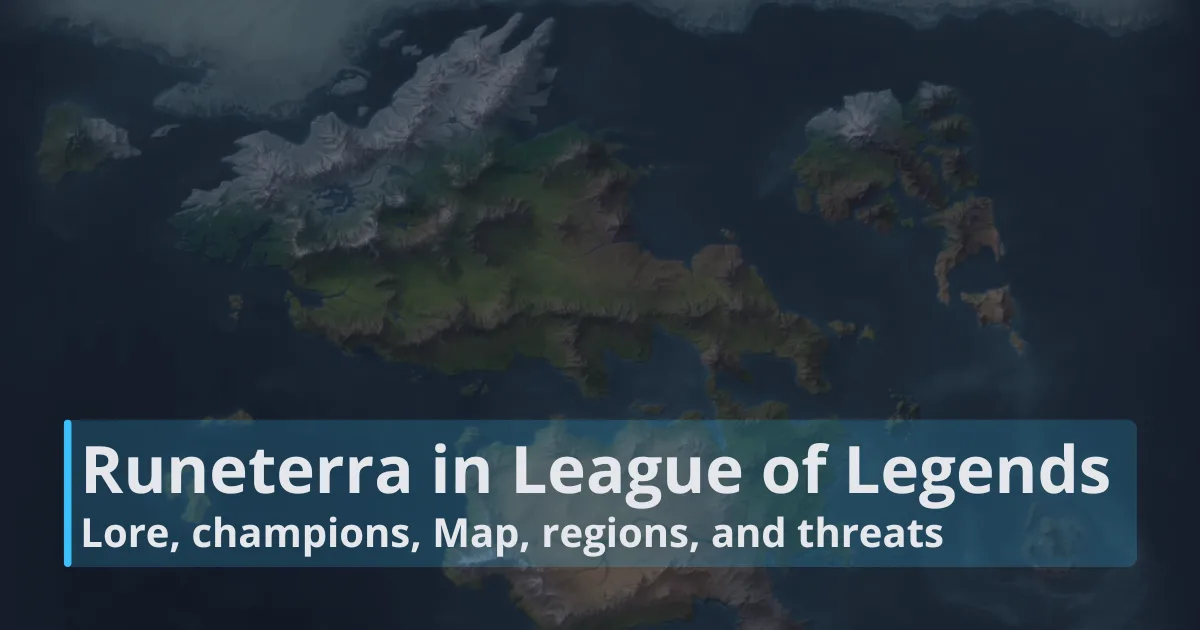
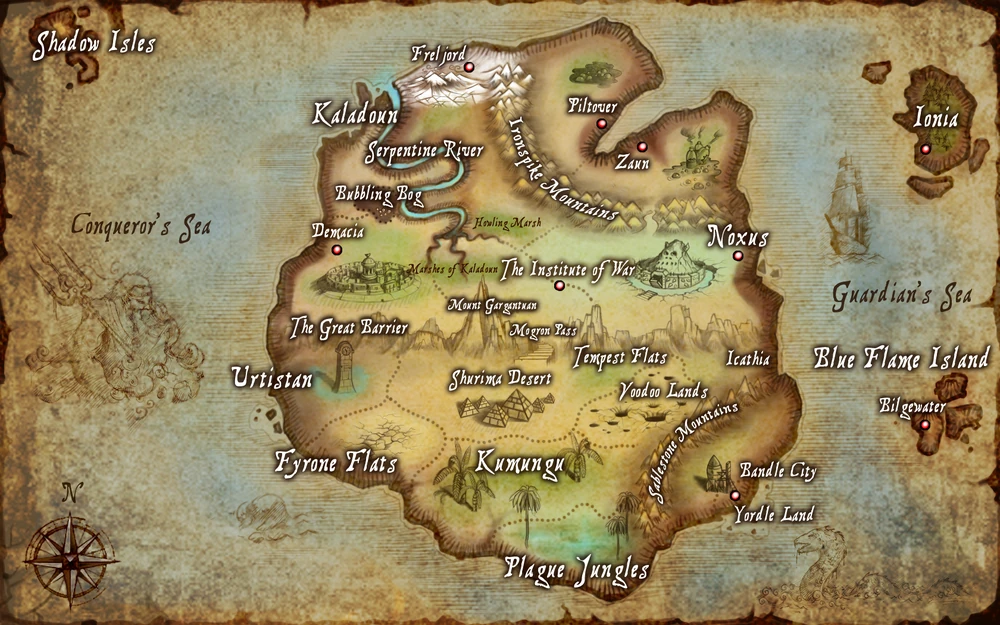
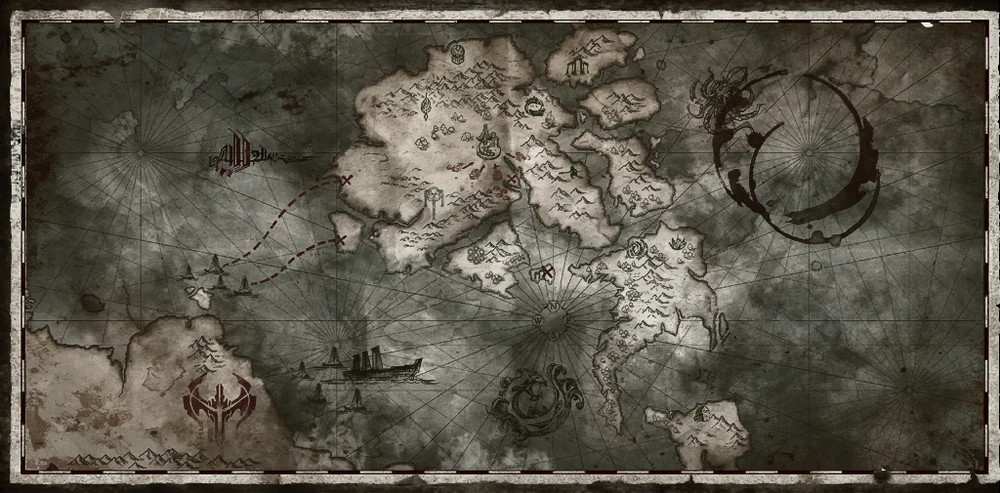
The Runeterra map is the easiest way to make sense of the world. The known map includes several large regions, but it is not the entire planet. Much of Runeterra remains unexplored, unnamed, or only hinted at through stories, oceans, lost continents, and distant lands.
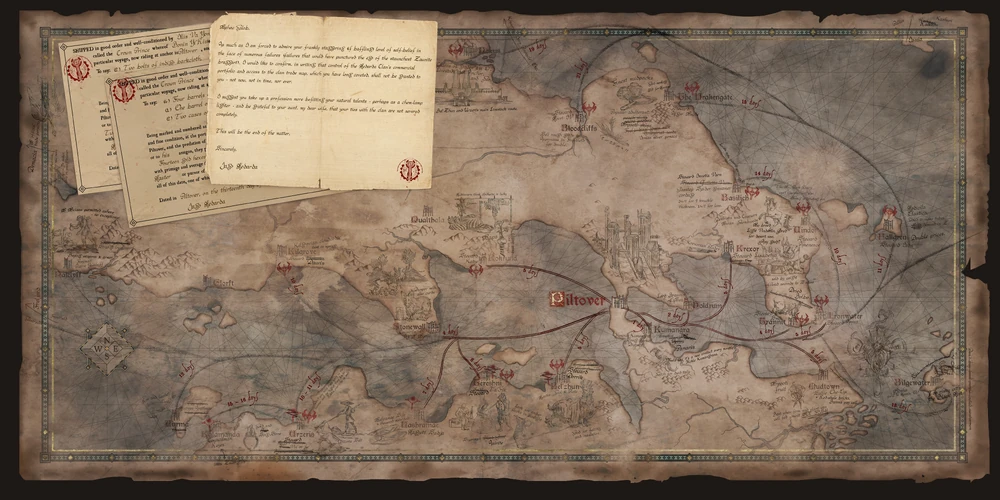
The interactive map of Runeterra is especially useful because it lets you move through regions visually instead of treating the lore like a long list of names. It also shows why nearby regions, such as Piltover and Zaun or Bilgewater and the Shadow Isles, often collide in story.
The interactive map trailer captures that feeling well, moving from seaports and cities to mountains, deserts, islands, and spirit-touched places.
| Region | Core identity | Why it matters to Runeterra |
|---|---|---|
| Demacia | Feudal kingdom built around order, duty, petricite, and fear of uncontrolled magic | Demacia shows how noble ideals can become brittle when magic, class, and justice collide. |
| Noxus | Expansionist empire built on strength, ambition, military power, and political ruthlessness | Noxus creates many of Runeterra's biggest wars, invasions, and faction conflicts. |
| Ionia | Spirit-rich archipelago shaped by balance, ancient magic, provinces, and trauma from invasion | Ionia is where Runeterra's spiritual ecology and political violence meet most clearly. |
| Freljord | Harsh northern land of tribes, Iceborn, demigods, ancient Watcher history, and survival | The Freljord connects Runeterra to primal spirits, old gods, and one of the deepest Void-related threats. |
| Piltover | Progressive city of invention, trade, hextech, universities, and wealth | Piltover shows how technology can reshape Runeterra as much as magic or conquest. |
| Zaun | Undercity of chemtech, survival, pollution, invention, faith, crime, and desperation | Zaun reveals the human cost beneath progress, especially when science outruns compassion. |
| Bilgewater | Port city of pirates, sea monsters, gangs, faith, gambling, and survival by nerve | Bilgewater gives Runeterra its most lawless maritime stories and connects naturally to the Serpent Isles. |
| Shadow Isles | Cursed islands haunted by the Black Mist, undeath, and the legacy of the Ruination | The Shadow Isles are one of Runeterra's clearest examples of a local tragedy becoming a global threat. |
| Bandle City | Hidden spirit-realm home of Yordles, portals, glamour, and impossible geography | Bandle City proves that Runeterra's map is not only physical, because some places are reached through spirit paths. |
| Targon | Mountain, celestial gateway, tribal theocracy, Aspects, Solari, Lunari, and cosmic belief | Targon connects mortal Runeterra to celestial powers, divine conflict, and cosmic scale. |
| Shurima | Ancient desert empire of the Sun Disc, Ascended, god-warriors, ruins, nomads, and rebirth | Shurima is central to Runeterra's ancient history, the Ascended, the Darkin, Icathia, and empire restoration. |
| Ixtal | Hidden jungle nation with elemental mastery, isolation, and guarded magical knowledge | Ixtal shows how an old civilization can survive by hiding from Runeterra's disasters rather than joining them. |
| The Void | Anti-realm of nothingness, Watchers, rifts, Voidborn, and the urge to unmake reality | The Void is not a normal region, but it is one of the biggest threats to Runeterra's existence. |
| Camavor | Fallen eastern kingdom tied to Viego, Isolde, Kalista, Hecarim, Gwen, and the Ruination | Camavor explains why a distant royal tragedy could scar the entire world. |
| Icathia | Destroyed rebel city whose desperation opened the Void during its war with Shurima | Icathia is one of Runeterra's greatest warnings about forbidden power and catastrophic revenge. |
Realms of Runeterra, from the physical world to the Void
The physical map is only one layer of Runeterra. The spirit realm touches the world through places, myths, creatures, and portals. Bandle City is the clearest example because it is not just a town hidden behind a forest. It is a spirit-realm place reached through unusual thresholds, which is why Yordle stories can move across the map without obeying normal geography.
The celestial realm works differently. It is tied to Targon, Aspects, stars, the sun, the moon, and forces that often treat mortal lives as pieces in conflicts beyond ordinary scale. The Void is different again: it is not simply a dark kingdom or monster nest. It is an anti-realm of nothingness, a pressure against existence itself.
This layered design is why Runeterra lore can shift from street-level drama to cosmic horror quickly. A Zaunite inventor, a Demacian mage, a Shuriman emperor, a Targonian Aspect, a Yordle traveler, and a Voidborn creature may all live in the same setting, but they interact with very different layers of reality.
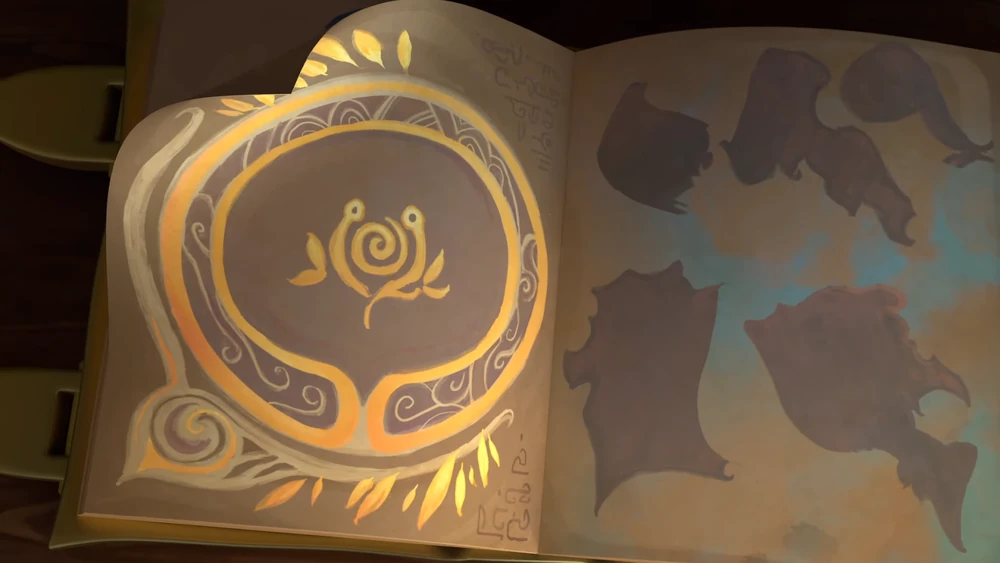
World Runes and the Rune Wars
The World Runes are among the most important forces in Runeterra lore. These ancient magical artifacts are tied to the creation and shaping of the world itself. When mortals rediscovered them, they did what mortals often do with power they barely understand: studied them, feared them, weaponized them, and fought over them.
The result was the Rune Wars, a chain of conflicts so destructive that entire nations were reshaped or ruined. The Rune Wars explain why magic is treated so differently across Runeterra. Demacia fears it. Noxus tries to use it. Ionia lives close to it. Ryze spends his life trying to keep its greatest pieces hidden.
Ryze and his master Tyrus tried to gather the World Runes before they could cause another age of catastrophe. After tragedy separated them, Ryze continued alone, becoming one of Runeterra's most important wanderers. His story gives the setting a simple central question: what happens when people keep finding powers that can change the world faster than they can understand the cost?
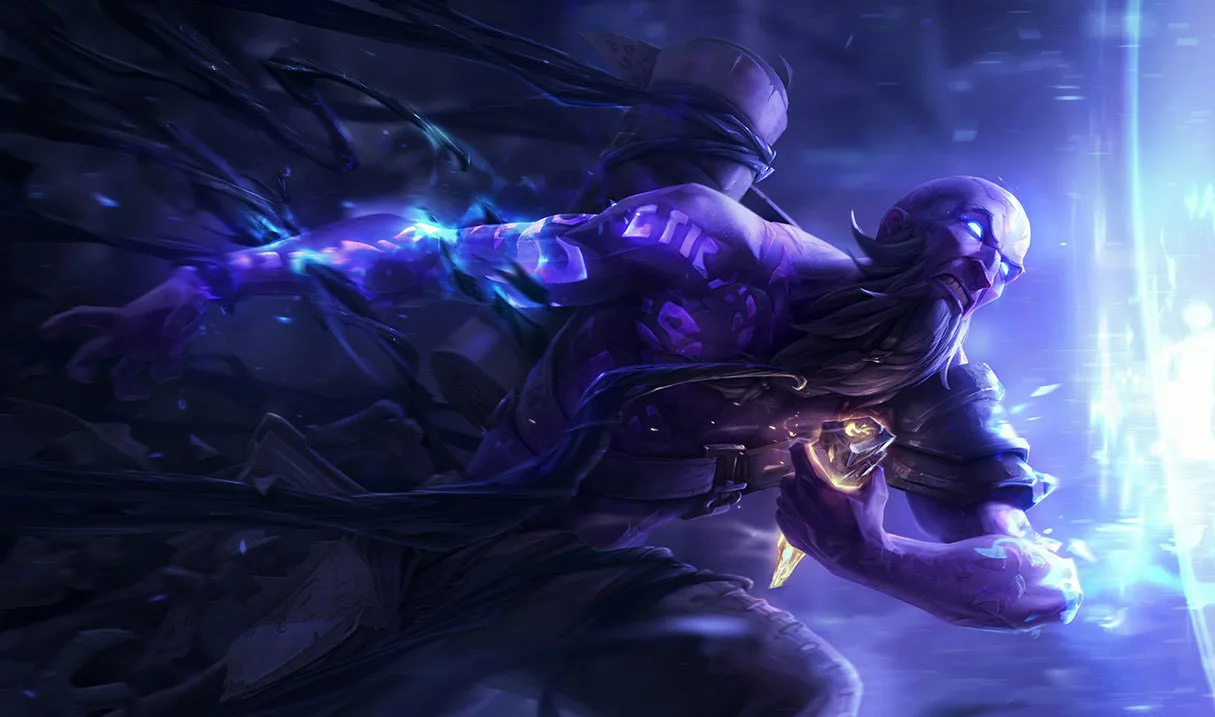
That question still shapes Runeterra today. Hextech, Ascended power, Darkin weapons, celestial magic, demonic bargains, Void rifts, and spirit magic all ask different versions of the same thing: can power be controlled, or does it always reshape the person holding it?
The Ryze cinematic is a strong visual starting point because it turns the World Runes from abstract lore into something immediate, beautiful, and terrifying.
Once you understand Ryze, many other Runeterra stories become easier to place. The world is not short on brave heroes or clever leaders, but it is also full of ancient forces that punish arrogance quickly.
Magic, species, and beings across Runeterra
Runeterra is filled with more than humans and kingdoms. Its species and magical beings include spirit-born creatures, chimeric peoples, demons, celestials, undead, god-warriors, Voidborn, dragons, spirits, trolls, minotaurs, yordles, vastaya, and many others that remain poorly documented in-universe.
This variety matters because Runeterra lore rarely treats magic as one simple system. Magic can be elemental, spiritual, celestial, runic, demonic, divine, technological, necromantic, or Void-adjacent. Some powers are worshiped. Some are studied. Some are hunted. Some are sealed away because even naming them feels dangerous.
| Being or power | What it is | How it changes Runeterra |
|---|---|---|
| Yordles | Spirit-born beings tied to Bandle City, glamour, portals, and long lives | They make the world feel stranger, softer, and more porous between realms. |
| Vastaya | Magic-touched descendants of mortals and the Vastayashai'rei | They show how natural magic, animal spirits, tribes, and human conflict overlap. |
| Demons | Emotion-feeding spirits born from fear, pain, addiction, nightmares, secrets, or other mortal feelings | They turn private suffering into external predators. |
| Darkin | Corrupted Ascended trapped in living weapons | They carry the trauma of Shurima, the Void War, and immortal war into the present. |
| Ascended | Sun Disc empowered god-warriors of ancient Shurima | They show Runeterra's divine power as both protection and imperial ambition. |
| Celestials | Cosmic beings and powers connected to the celestial realm | They make Runeterra part of a much larger cosmic order. |
| Voidborn | Creatures shaped by the Void's contact with reality | They represent hunger, adaptation, and the unmaking of life. |
| Undead and wraiths | Beings tied to death, curses, necromancy, or the Black Mist | They keep the Shadow Isles and Ruination from being only historical events. |
The easiest mistake is to flatten all of these into monsters. A demon is not a Voidborn. A yordle is not a vastaya. A Darkin is not simply an undead warrior. Runeterra becomes more interesting when each category keeps its own origin, rules, and emotional weight.
Runeterra timeline and major events
The Runeterra timeline is not a straight line of one kingdom replacing another. It is a layered history of creations, disasters, wars, hidden civilizations, divine interventions, migrations, invasions, curses, and rediscovered powers. Some events are ancient and mythic. Others are recent enough to still shape current champion stories.
The most useful way to read Runeterra lore is to group the timeline by impact. The World Runes explain why magic can destroy civilizations. Shurima explains the Ascended and Darkin. Icathia explains one of the worst Void breaches. The Blessed Isles explain the Shadow Isles. The Noxian invasion explains modern Ionian trauma. Piltover and Zaun explain how technology reshapes the present.
| Event or era | What happened | Why it matters |
|---|---|---|
| Creation and World Runes | Ancient magical forces shaped Runeterra and gave it life | Sets up magic as part of the world's foundation, not a later invention. |
| Ancient Shurima | The Sun Disc empowered Ascended champions and built a vast empire | Creates the roots of Azir, Xerath, Nasus, Renekton, Darkin history, and empire politics. |
| Icathia's rebellion | Icathia fought Shurima and unleashed the Void in desperation | Becomes one of Runeterra's greatest cautionary tales about forbidden power. |
| The Rune Wars | Mortals used World Runes in conflicts that devastated nations | Explains why Ryze's mission and Demacia's fear of magic matter. |
| The Ruination | Viego's grief and magic transformed the Blessed Isles into the Shadow Isles | Creates the Black Mist, undead threats, and several Sentinel stories. |
| Noxian invasion of Ionia | Noxus invaded Ionia, causing trauma, resistance, and spiritual imbalance | Shapes Irelia, Yasuo, Yone, Shen, Zed, Swain, Riven, and many Ionian stories. |
| Rise of Piltover and Zaun | Trade, hextech, chemtech, social divide, and invention reshape city life | Shows modern Runeterra moving through technology, class conflict, and industrial power. |
| Arcane era stories | Piltover and Zaun become a major focus for modern League storytelling | Brings Runeterra to a wider audience through character drama, politics, and visual worldbuilding. |
Long-form timeline videos can help once the names start piling up, especially if you are moving from Arcane into wider League lore.
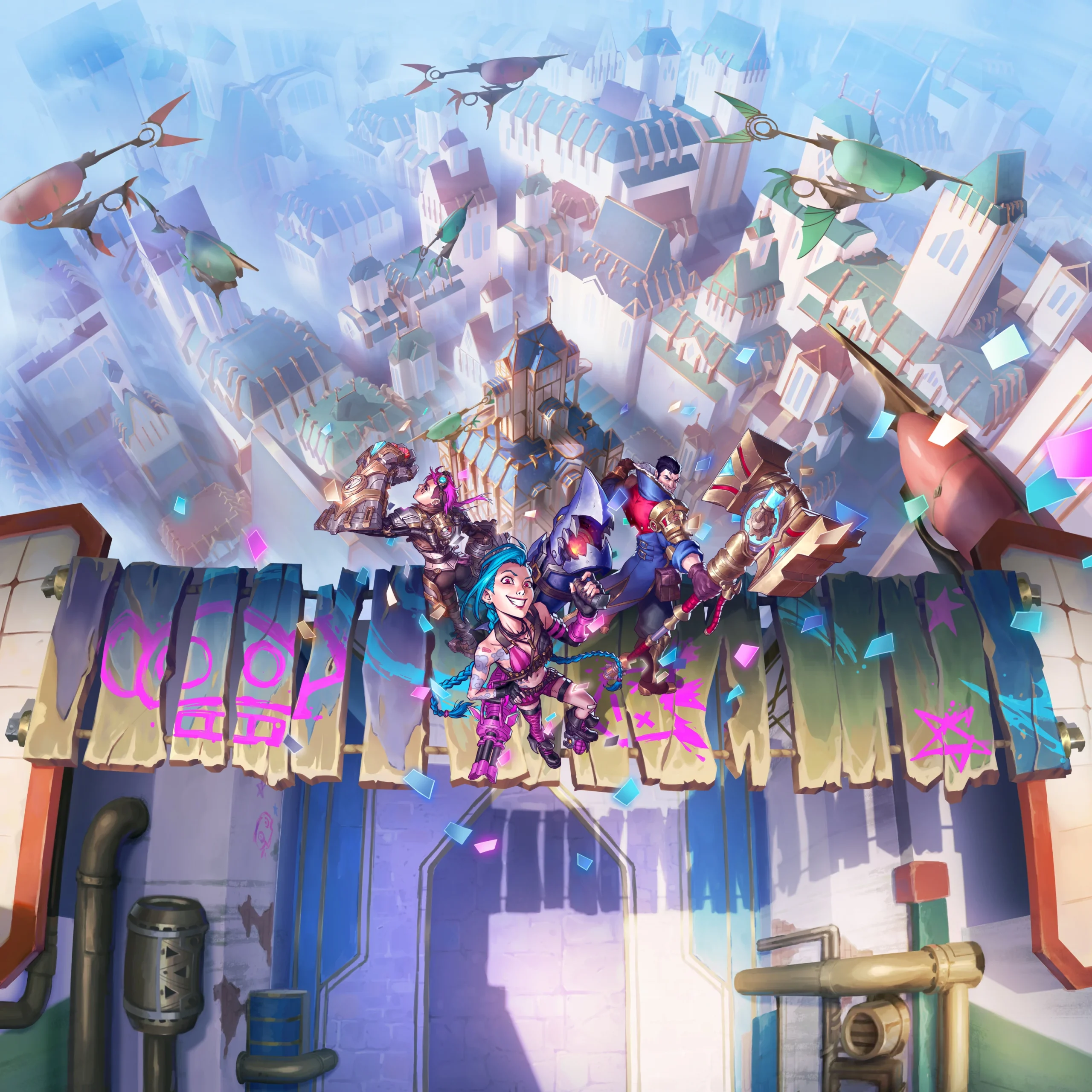
Arcane is not the whole of Runeterra, but it is one of the easiest modern doors into the setting because it turns regional politics, class tension, family conflict, and technology into personal drama.
For a broader lore pass beyond Arcane, a major-event overview helps connect the ancient world to the current champion roster.
After that, the world becomes easier to explore by region. Instead of trying to memorize everything at once, follow the event that interests you most and then move outward through the champions connected to it.
Runeterra in Arcane and modern League storytelling
Arcane made Runeterra feel more physical for many viewers. Piltover and Zaun stopped being abstract region names and became streets, bridges, laboratories, councils, factories, families, and wounds. That is important because Runeterra works best when huge lore concepts are grounded in human stakes.
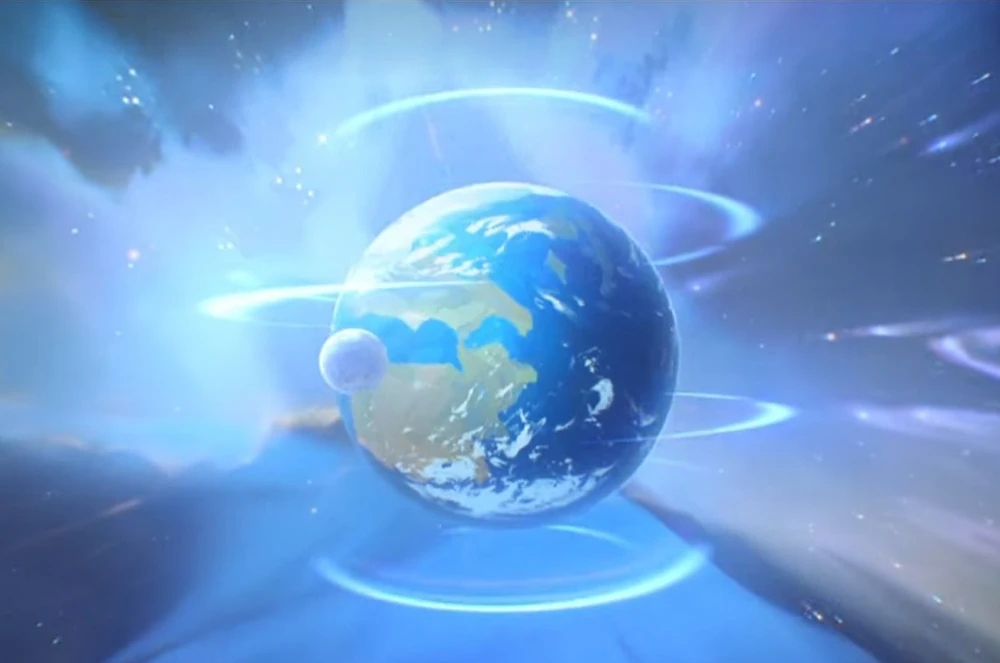
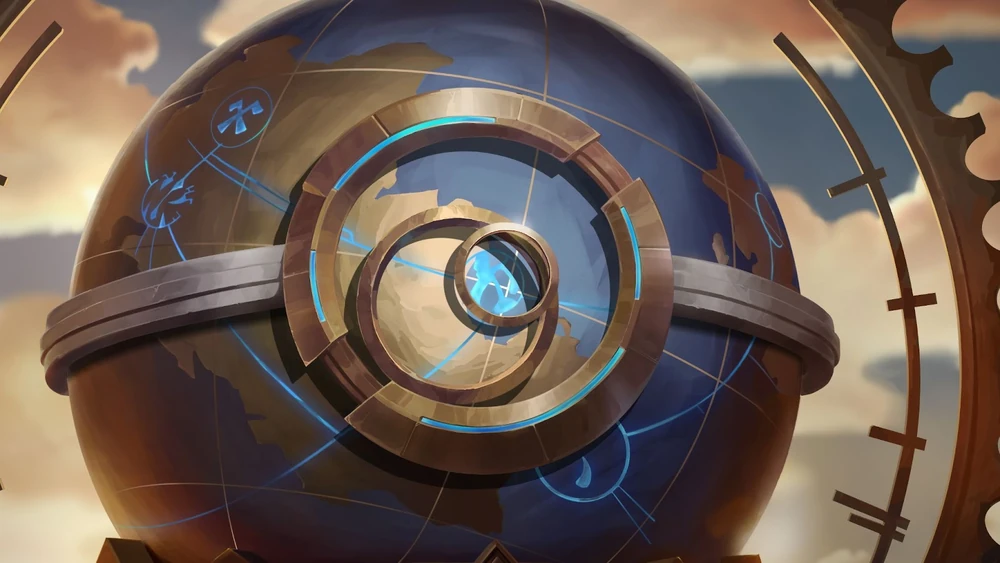
The globe and planetary views connected to Arcane also show a different side of the setting. Runeterra is not only a flat region select screen. It is a planet with continents, oceans, unexplored spaces, old trade routes, and political assumptions that characters inside the world may not fully understand.
The biggest threats to Runeterra
Runeterra has many local conflicts, but some threats are large enough to end kingdoms, alter reality, or damage the entire world. The difference matters. A Noxian invasion can change borders. A World Rune in the wrong hands can change the planet. The Void does not want territory in any normal sense, it threatens the meaning of existence.
| Threat | Type | Why it is dangerous |
|---|---|---|
| The Void | Existential anti-realm | It threatens to consume or unmake reality itself, not merely conquer Runeterra. |
| World Runes | Creation-level magic | They can reshape nations and start wars when mortals use them as weapons. |
| Darkin | Immortal corrupted Ascended | They carry endless war, trauma, blood magic, and weapon-bound hatred into the present. |
| The Black Mist | Undeath and curse | It turns tragedy into an expanding supernatural threat that can reach far beyond the Shadow Isles. |
| Demons | Emotion-feeding spirits | They thrive wherever fear, pain, addiction, secrets, and despair become abundant. |
| Celestial conflict | Cosmic and divine power | Aspects, stars, and celestial forces can treat mortals as pieces in battles beyond human scale. |
| Human ambition | Political, magical, and technological pressure | Many disasters in Runeterra begin when people decide a forbidden power is worth the risk. |
The best threat stories in Runeterra do not rely on size alone. They work because they attack different fears: extinction, corruption, grief, temptation, conquest, divine indifference, and the possibility that progress itself can become dangerous.
A dedicated threat overview is useful here because Runeterra is full of dangers that cannot be ranked by raw strength alone.
That is why the answer changes depending on the kind of danger you care about. The Void may be the biggest existential threat, but World Runes, Darkin, demons, the Black Mist, and mortal empires can be just as devastating to the people caught in their path.
Religions, myths, and cultures of Runeterra
Runeterra's religions are as varied as its regions. Some cultures worship gods, some follow cosmic bodies, some honor spirits, some build faith around death, motion, justice, evolution, or survival. These beliefs are not just background details. They shape law, war, ritual, identity, and what different peoples think power is for.
In Demacia, ideals of justice and protection shape public belief. In Bilgewater, Nagakabouros and the Mother Serpent reflect motion, desire, and the refusal to stay still. In the Freljord, demigods like Ornn, Volibear, and Anivia are woven into survival, weather, war, and craft. In Targon, Solari and Lunari conflict turns the sun and moon into living politics. In Zaun, Janna's bluebird faith survives among people who need help from forces no chemtech engine can replace.
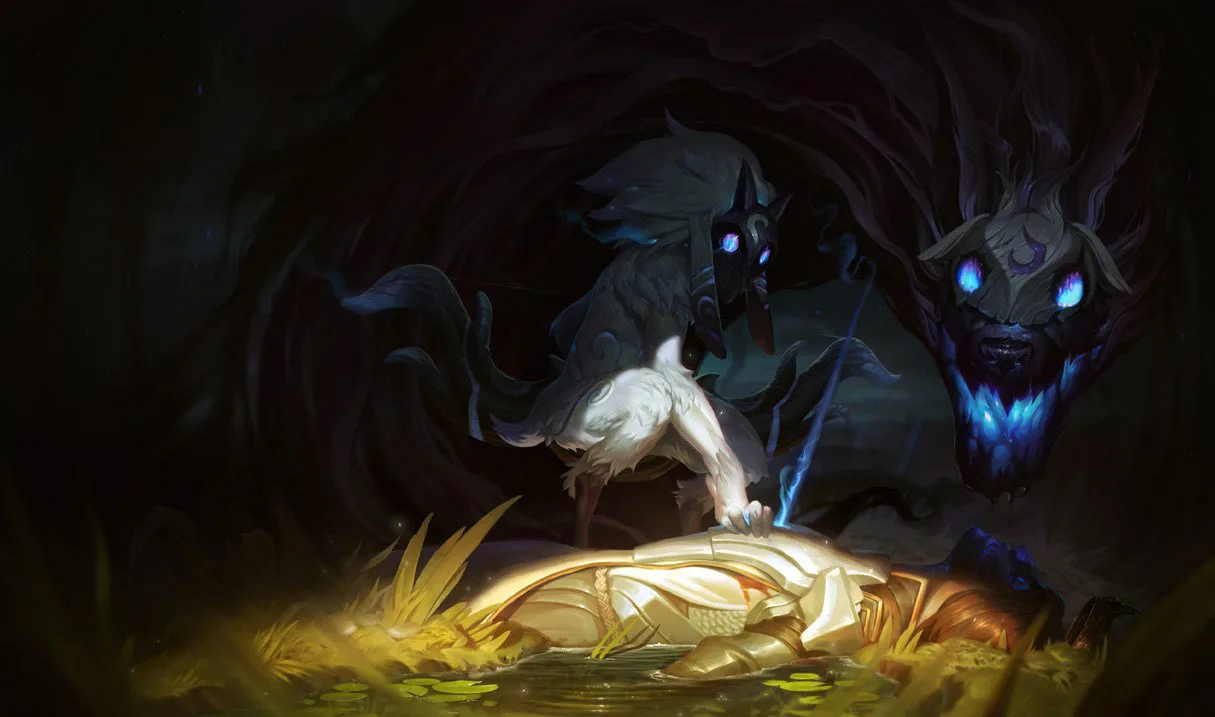
Kindred is one of the best examples of how Runeterra handles myth. Lamb and Wolf appear across cultures, but different peoples explain death through their own language, fears, and rituals. That makes religion in Runeterra feel less like one rulebook and more like a web of stories shaped by place.
Runeterra beyond League of Legends
Runeterra has grown beyond the original League of Legends match format. Riot has used the setting for cinematics, short stories, comics, novels, music, Arcane, Legends of Runeterra, Wild Rift, and wider multimedia worldbuilding. The broader Riot Games ecosystem matters because Runeterra is now a setting players can enter through more than champion select.
This is why Runeterra lore can feel intimidating at first. A champion bio may mention a war. A cinematic may show a rune. Arcane may focus on Piltover and Zaun. A card may reveal a follower, a tribe, or a location. The pieces are scattered across formats, but they are all trying to make the world feel lived in.
The practical approach is not to consume every piece of lore in release order. Start with a region, a champion, or a conflict. Then follow the links outward. Runeterra rewards curiosity more than memorization.
Where to start with Runeterra lore
A strong Runeterra lore path starts with the map, then moves into Demacia, Noxus, Ionia, Shurima, Piltover and Zaun, the Freljord, Bilgewater, the Shadow Isles, Targon, Ixtal, Bandle City, the Void, Camavor, and Icathia. After that, follow species and threat pages such as Darkin, Vastaya, Yordles, and Demons.
For a beginner, the best first champions are Ryze, Jax, Senna, Lucian, Aatrox, Nami, Kindred, Bard, Fiddlesticks, and Tahm Kench. Together, they introduce World Runes, Icathia, the Shadow Isles, Darkin history, oceanic Vastaya, death mythology, cosmic balance, demons, and wandering stories that cross the whole map.
For practical reading, use RiftDaily's guides when you want a focused path and the wider lore hub when you want to explore champions, regions, factions, races, and major events. For official account help, event issues, or live game support, use the official League of Legends support site.
Frequently asked questions about Runeterra
What is Runeterra in League of Legends?
Runeterra is the main world where League of Legends lore takes place. It includes the known physical world, connected spirit realms, nations, regions, champions, species, ancient magic, and threats such as the Void, Darkin, demons, World Runes, and the Black Mist.
What does Runeterra mean?
Runeterra means magic earth. The name fits because magic is central to the world's creation, history, conflicts, regions, species, religions, and most important champion stories.
What are the main regions of Runeterra?
The main known regions include Demacia, Noxus, Ionia, the Freljord, Piltover, Zaun, Bilgewater, the Shadow Isles, Bandle City, Targon, Shurima, Ixtal, the Void, Camavor, and Icathia. Some are nations, some are realms, and some are lost or hidden places.
Who are the Runeterra champions?
Runeterra champions are usually characters who do not belong cleanly to one specific region. Important examples include Aatrox, Alistar, Annie, Bard, Brand, Evelynn, Fiddlesticks, Jax, Kindred, Lucian, Nami, Nocturne, Ryze, Senna, Shaco, Tahm Kench, and Zilean.
Is Arcane set in Runeterra?
Yes. Arcane is set in Runeterra, mainly around Piltover and Zaun. It focuses on one part of the world, but those cities connect to wider Runeterra through hextech, politics, trade, class conflict, and champion stories.
What are the World Runes?
The World Runes are ancient magical artifacts connected to the creation and shaping of Runeterra. Their rediscovery led to devastating conflicts called the Rune Wars, and Ryze now works to keep them hidden from those who would misuse them.
What is the biggest threat to Runeterra?
The Void is usually the clearest existential threat because it seeks to unmake reality. However, World Runes, Darkin, demons, the Black Mist, celestial conflicts, and mortal ambition can also devastate Runeterra in different ways.
Where should beginners start with Runeterra lore?
Beginners should start with the map, then read about Demacia, Noxus, Ionia, Shurima, Piltover and Zaun, the Freljord, the Shadow Isles, and the Void. After that, follow key champions like Ryze, Jax, Senna, Aatrox, Kindred, and Fiddlesticks.
Why Runeterra is the real main character
Runeterra matters because it turns League of Legends into more than a roster of champions. The world gives those champions history, pressure, belief, fear, geography, and consequences. A mage is different in Demacia than in Ionia. A weapon means something different in Noxus than in Shurima. A spirit in Bandle City is not the same as a demon, a vastaya, or a death god.
The best next step is to treat Runeterra like a living world rather than a checklist. Start with the map, choose one region, then follow the champions and threats attached to it. RiftDaily's guides can help you build a reading path, and the lore hub is the easiest way to keep exploring regions, races, factions, and major events without getting lost.