League of Legends tournaments in 2026 run from January's regional openers through the World Championship final on November 14. The season moves through regional...
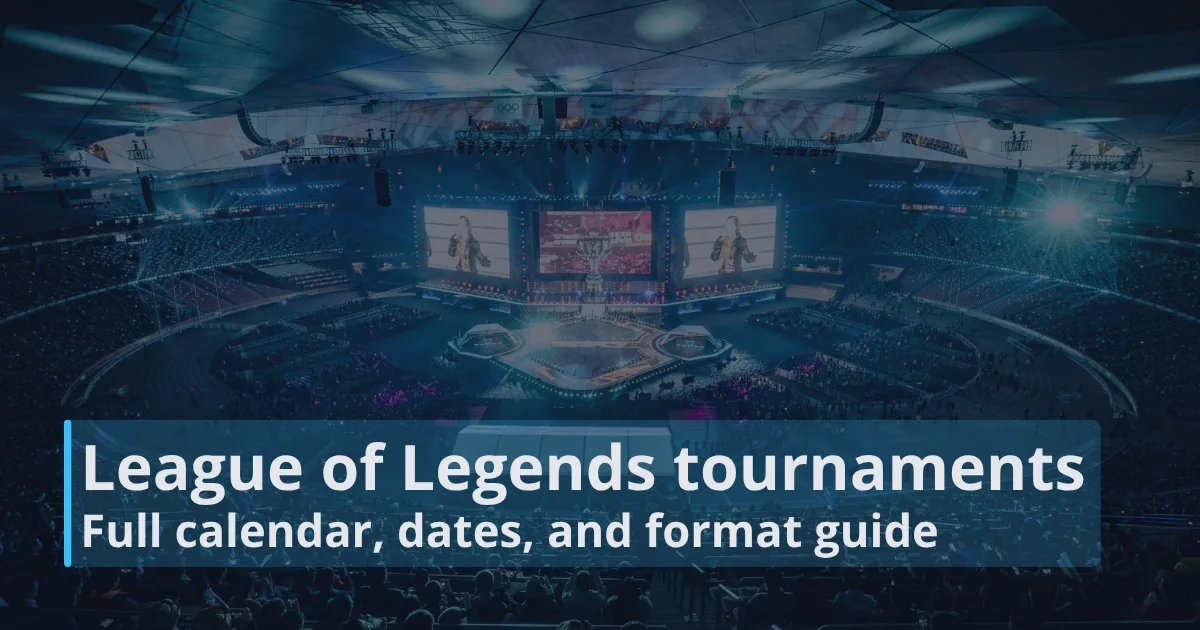

League of Legends teams coverage for LoL fans, including team news, rosters, regional leagues, match context, international events, and RiftDaily analysis across competitive seasons worldwide.
League of Legends tournaments in 2026 run from January's regional openers through the World Championship final on November 14. The season moves through regional...
The page you requested could not be found. Try refining your search, or use the navigation above to locate the post.
The page you requested could not be found. Try refining your search, or use the navigation above to locate the post.
 GEN
GEN

 HLE
HLE

 BLG
BLG

 AL
AL

 G2
G2

 TL
TL

 LOS
LOS

 TSW
TSW

The page you requested could not be found. Try refining your search, or use the navigation above to locate the post.
Shorts
League of Legends teams are more than five names on a match sheet. They are systems built around coaching, draft identity, role balance, practice habits, leadership, and how well players solve pressure together. RiftDaily’s teams category is built for fans who want to understand why a roster works, why it fails, and how each organization fits into the wider competitive scene.
Our coverage connects team stories to the full League of Legends esports calendar. We follow roster moves, form swings, domestic league runs, international performances, and the decisions that shape a team’s ceiling. A strong bot lane can redefine draft priorities. A stable jungler-support duo can control early objectives. A new coaching staff can change how a team approaches side selection, tempo, and champion pools.
Expect LoL news, roster context, match takeaways, regional comparisons, and deeper analysis of how teams build toward bigger stages. We also use official context from LoL Esports when schedules, tournament structures, and match details shape the story.
| Team angle | What RiftDaily explains |
|---|---|
| Roster moves | How signings, exits, role swaps, and academy promotions affect identity. |
| Team form | Whether recent wins are repeatable or matchup-dependent. |
| Regional strength | How domestic leagues compare before international events. |
| Match impact | Why drafts, objective control, and adaptation decide series. |
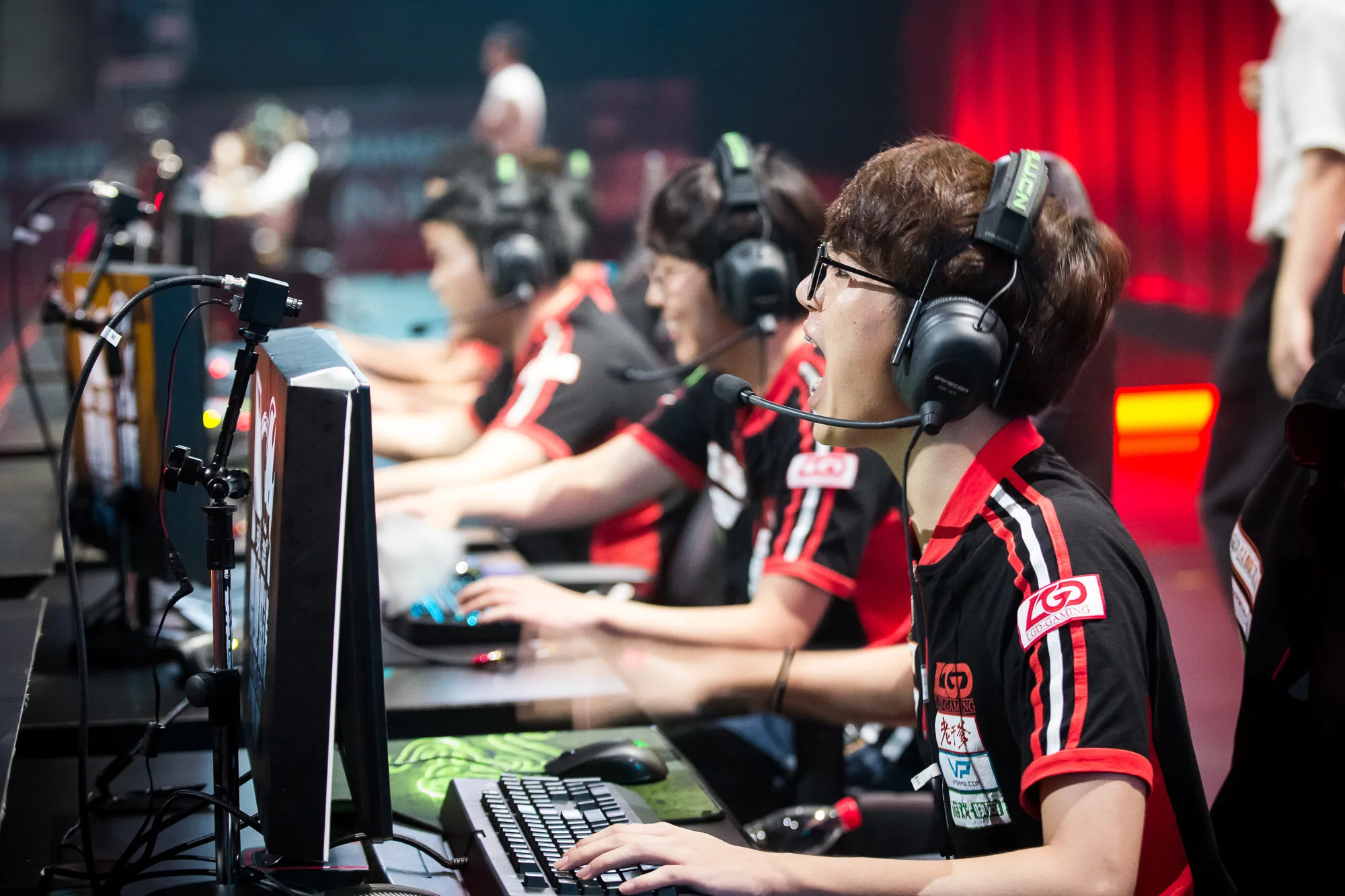
Team strength starts in domestic leagues. RiftDaily follows how organizations develop through the LEC, LCS, and CBLOL, where roster construction, coaching stability, and regional style shape expectations before international play begins.
We look beyond standings. A team can sit near the top of a league while still showing draft limits, weak lane swaps, poor objective setups, or inconsistent closing. Another team can struggle early but reveal a clearer identity over time. Our goal is to explain which signals matter, which results need caution, and which teams are building toward something stronger.
Different regions create different team questions. The LCK often rewards structure, map discipline, and controlled teamfighting. The LPL can pressure teams through speed, skirmishing, and fearless trading. The LCP adds another important layer, with teams that can mix macro patience and sudden aggression.
RiftDaily does not treat those labels as fixed rules. We compare how teams draft, how they move around first objectives, how they protect carries, and how well they adapt after losing a game. That makes regional coverage more useful than a simple power ranking, because it shows how a team might win against unfamiliar opponents.
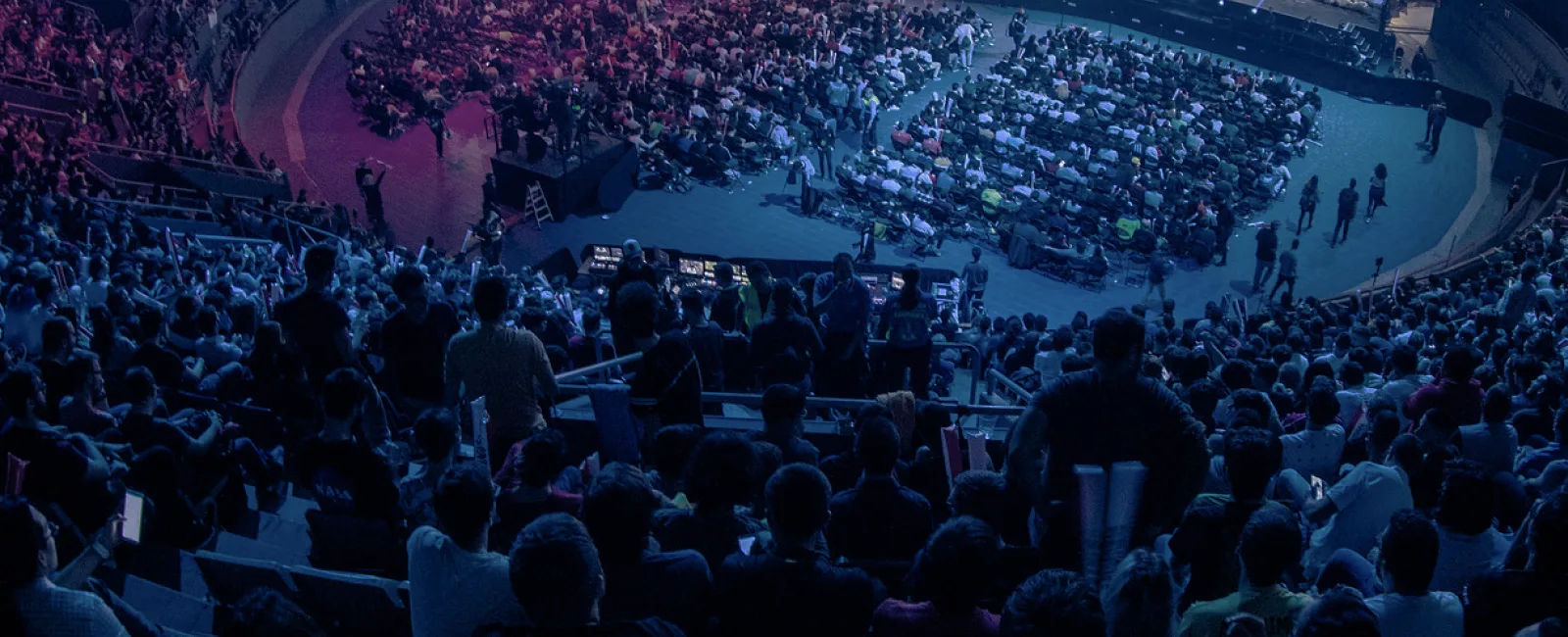
Not every team update changes expectations. RiftDaily focuses on moves and results that affect competitive direction: roster swaps, coaching changes, role flexibility, practice form, international qualification, and event preparation. We connect those updates to stages such as First Stand, MSI, and EWC.
A roster announcement matters more when it changes draft pressure. A win matters more when it shows repeatable control. A loss matters more when it exposes the same weakness in multiple matchups. That practical context helps fans separate real progress from short-term noise.
Every team story eventually becomes a player story too. RiftDaily connects roster identity to League of Legends players, because individual role strength determines how far a system can stretch. A star mid laner may unlock aggressive drafts, while a reliable support can stabilize vision and objective control.
International tournaments raise the stakes. At Worlds, teams have to prove that domestic habits can survive against different styles, stage pressure, and limited adaptation time. We track which teams have enough flexibility, experience, and discipline to handle that jump. Strong teams are rarely built from highlights alone. They are built from trust, preparation, and repeatable decisions.

The League of Legends teams category is built to help fans follow organizations across a busy competitive year. Teams rise, rebuild, collapse, peak, and reinvent themselves through roster changes, coaching decisions, regional competition, and international pressure. RiftDaily keeps those stories organized so each update has context beyond a headline.
We look at the details that make a team believable: stable roles, champion depth, objective planning, map movement, lane assignments, communication, and how quickly players adjust when a series turns against them. That approach helps explain why one roster looks ready for a title run while another still needs time to define its identity.
Use this page as a hub for team news, roster analysis, regional comparisons, and tournament storylines. For wider context, our LoL esports hub, player coverage, and news updates connect each team story to the larger competitive map. The official League of Legends site is also useful for understanding the game systems behind professional team play.