Runeterra is the magical world where most League of Legends lore takes place, including its regions, champions, wars, spirit realms, ancient powers, and world-ending...
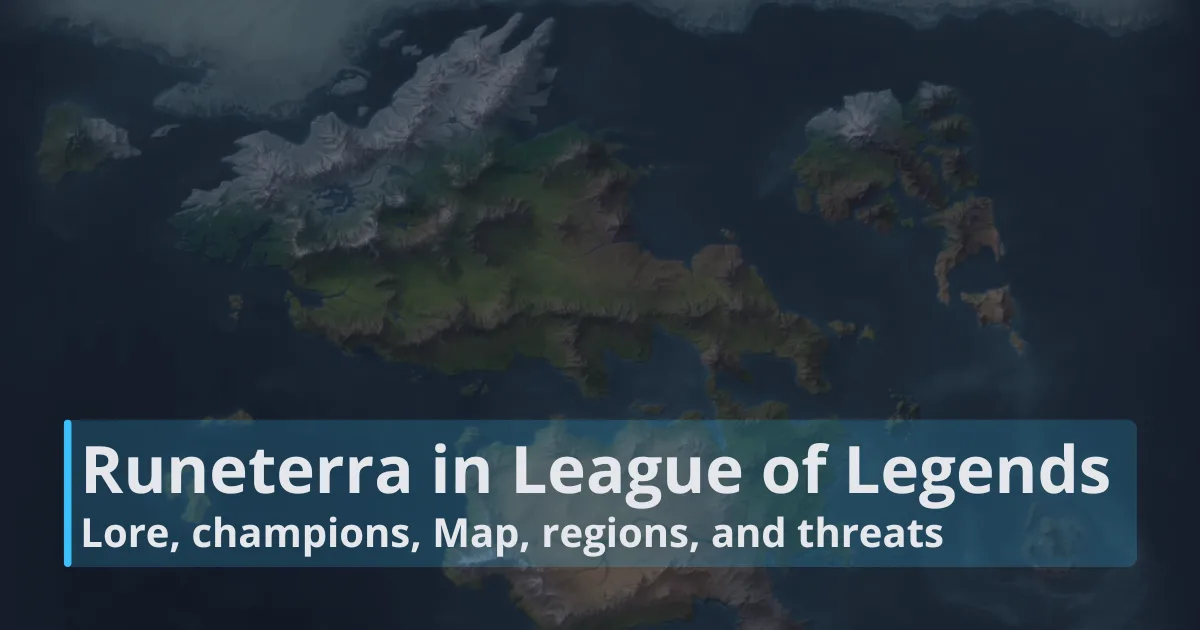

League of Legends lore coverage on RiftDaily explores Runeterra’s regions, champions, factions, stories, and mythology with clear guides for new and returning fans.
Runeterra is the magical world where most League of Legends lore takes place, including its regions, champions, wars, spirit realms, ancient powers, and world-ending...
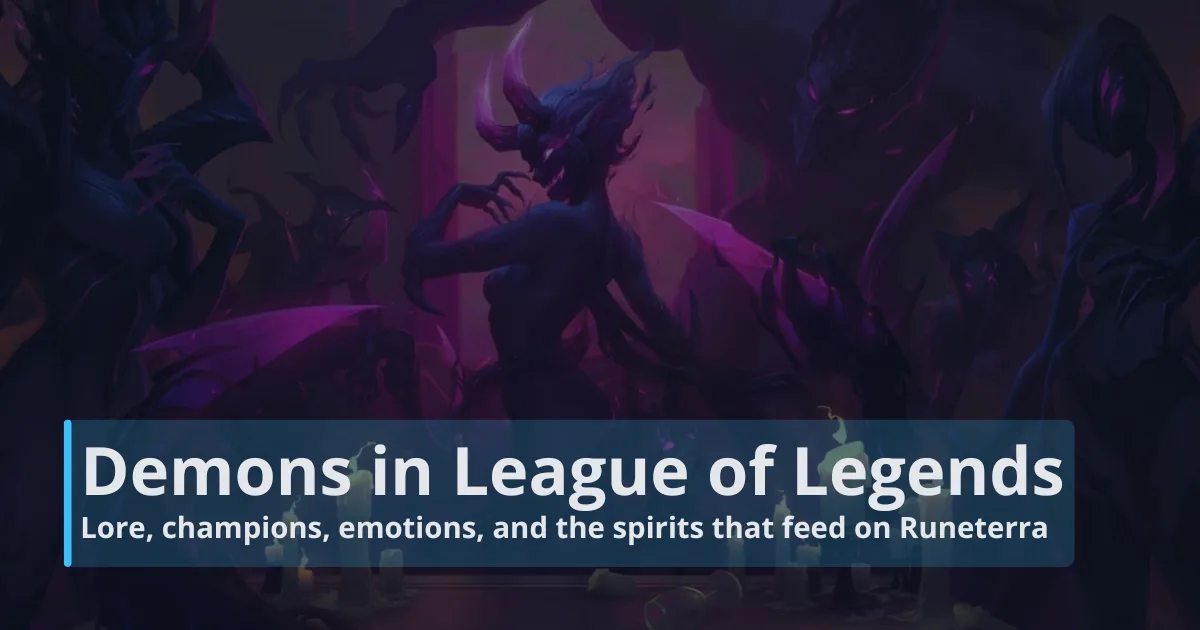
Demon is the League of Legends term for a dangerous spirit that feeds on mortal emotions, usually by manipulating, terrifying, tempting, or breaking its victims. Demons...
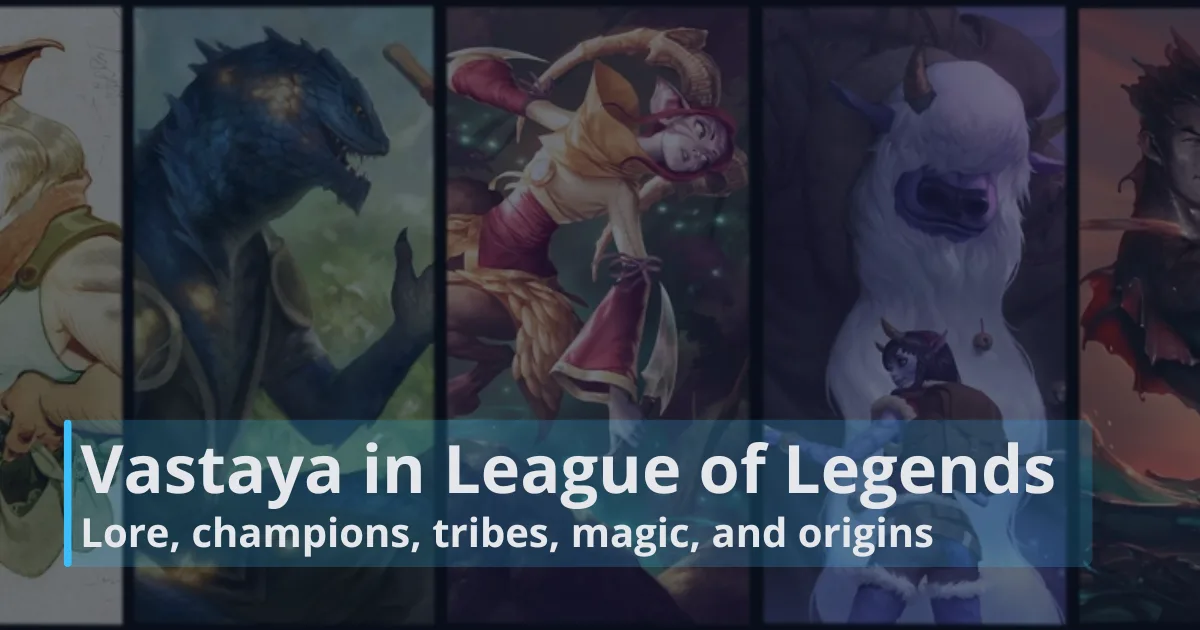
Vastaya are the magic-touched chimeric people of League of Legends, descended from mortals who merged with spirit-realm power and later formed many tribes across...
Latest
 GEN
GEN

 HLE
HLE

 BLG
BLG

 AL
AL

 G2
G2

 TL
TL

 LOS
LOS

 TSW
TSW


Yordle is the League of Legends species name for small spirit-born beings who usually appear as furry, mammalian...

Darkin are corrupted Ascended God-Warriors in League of Legends, once noble defenders of Shurima who were broken by...

Black Rose is the secret Noxian cabal in League of Legends, led from the shadows by LeBlanc and tied to the oldest,...
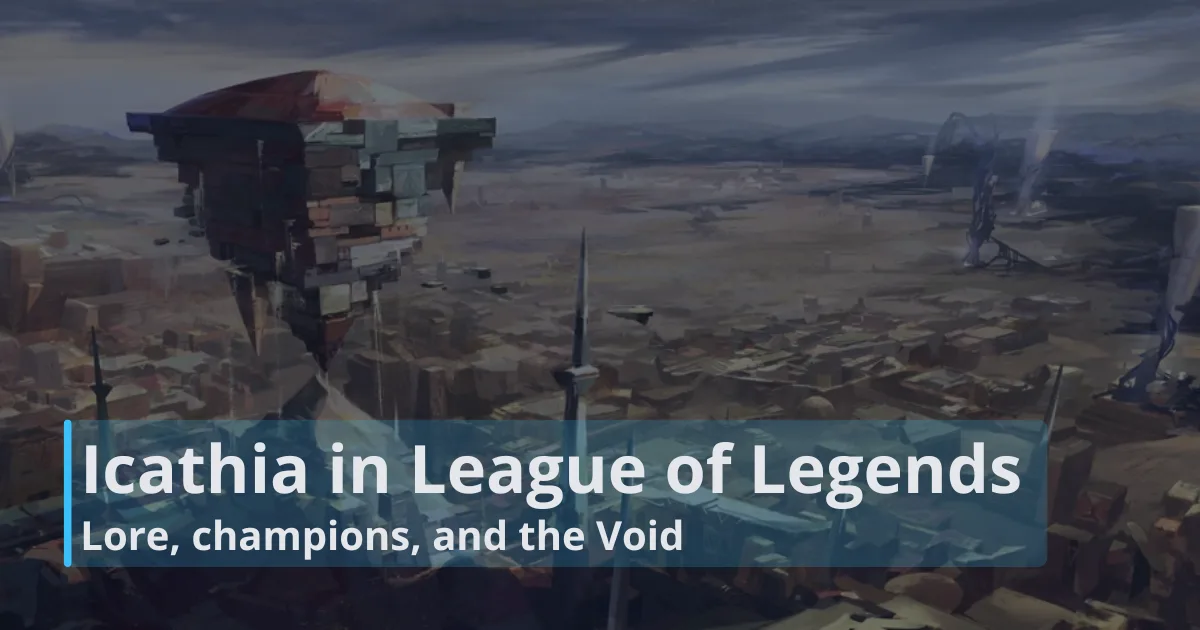
Icathia is the ruined League of Legends city-state that rebelled against ancient Shurima, unleashed the Void, and...

Camavor is the fallen eastern kingdom in League of Legends that connects Viego, Kalista, Hecarim, Gwen, Vladimir,...
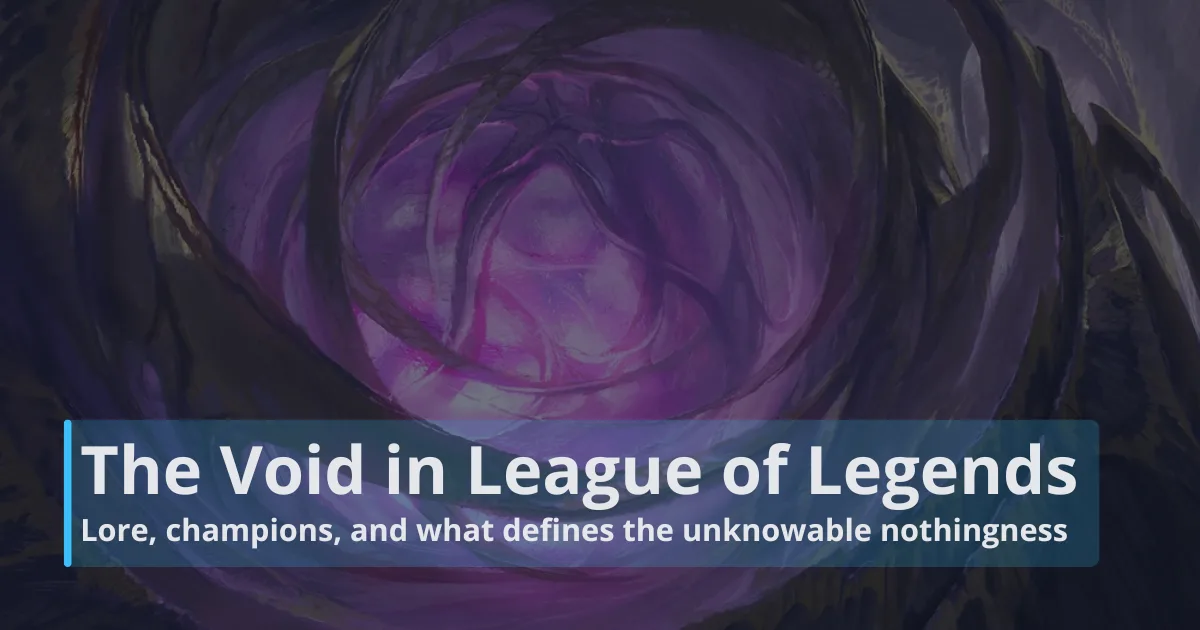
The Void is the cosmic horror force of League of Legends, a realm of impossible nothingness that wants to understand,...
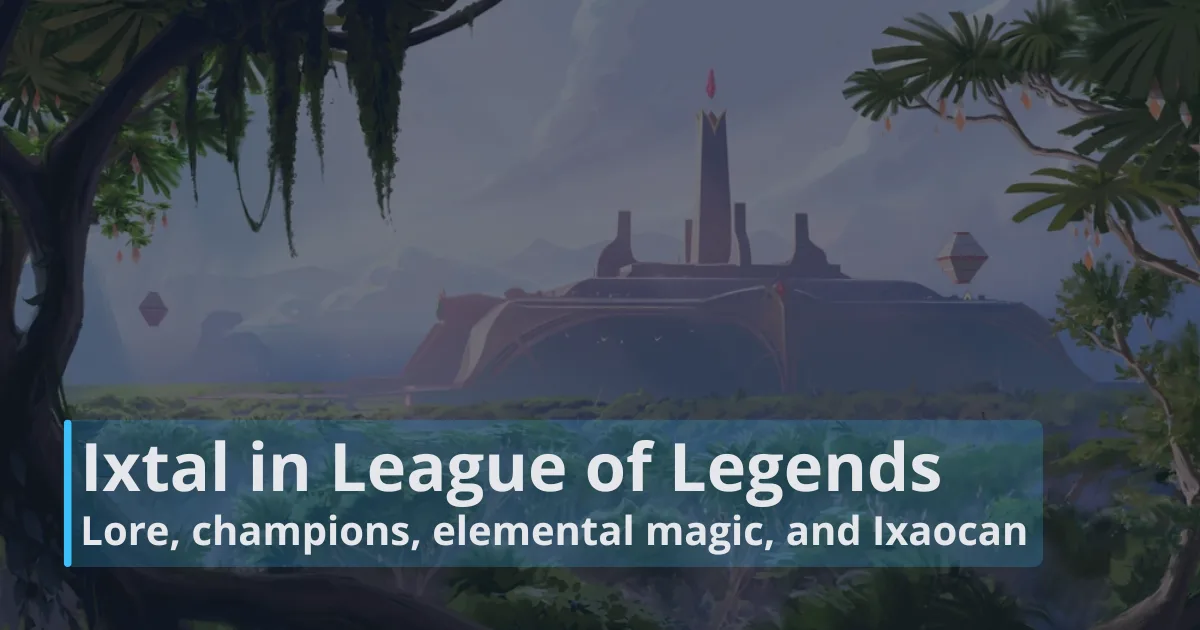
Ixtal is the hidden jungle nation of League of Legends, a region defined by elemental magic, isolation, ancient...

Shurima is the fallen desert empire of League of Legends, a once-glorious civilization built around the Sun Disc, the...

Targon is the celestial mountain region of League of Legends, a harsh and sacred place where mortals climb toward the...
Shorts
League of Legends lore is bigger than a background wiki. It is the shared mythology behind champions, regions, factions, rivalries, cinematics, comics, skins, and the wider world Riot has built around Runeterra. On RiftDaily, this category helps players understand why those stories matter, how they connect, and where to start without feeling buried under years of names, retcons, and regional history.
We cover LoL lore from a gaming-first perspective. That means we care about story, but also about how that story changes the way champions feel in-game, why certain rivalries matter, and how a region’s identity shapes its characters. A Demacian champion does not carry the same worldview as a Zaunite inventor, and a Freljordian legend speaks a different language of power than a Shuriman ascendant.
For official source material, Riot’s Universe of League of Legends remains the core archive for champion bios, short stories, regional pages, and art. Riot’s League of Legends lore news is also useful for newer story releases. RiftDaily’s role is to organize that material into practical, readable coverage.
| Lore topic | What RiftDaily covers |
|---|---|
| Regions | Guides to places like Demacia, Noxus, Ionia, and Runeterra. |
| Champions | Origins, conflicts, allegiances, relationships, and major story arcs. |
| Factions | Groups such as the Black Rose, kingdoms, cults, empires, tribes, orders, and ancient powers. |
| Gameplay connections | How stories influence champion themes, skins, events, and player interest. |
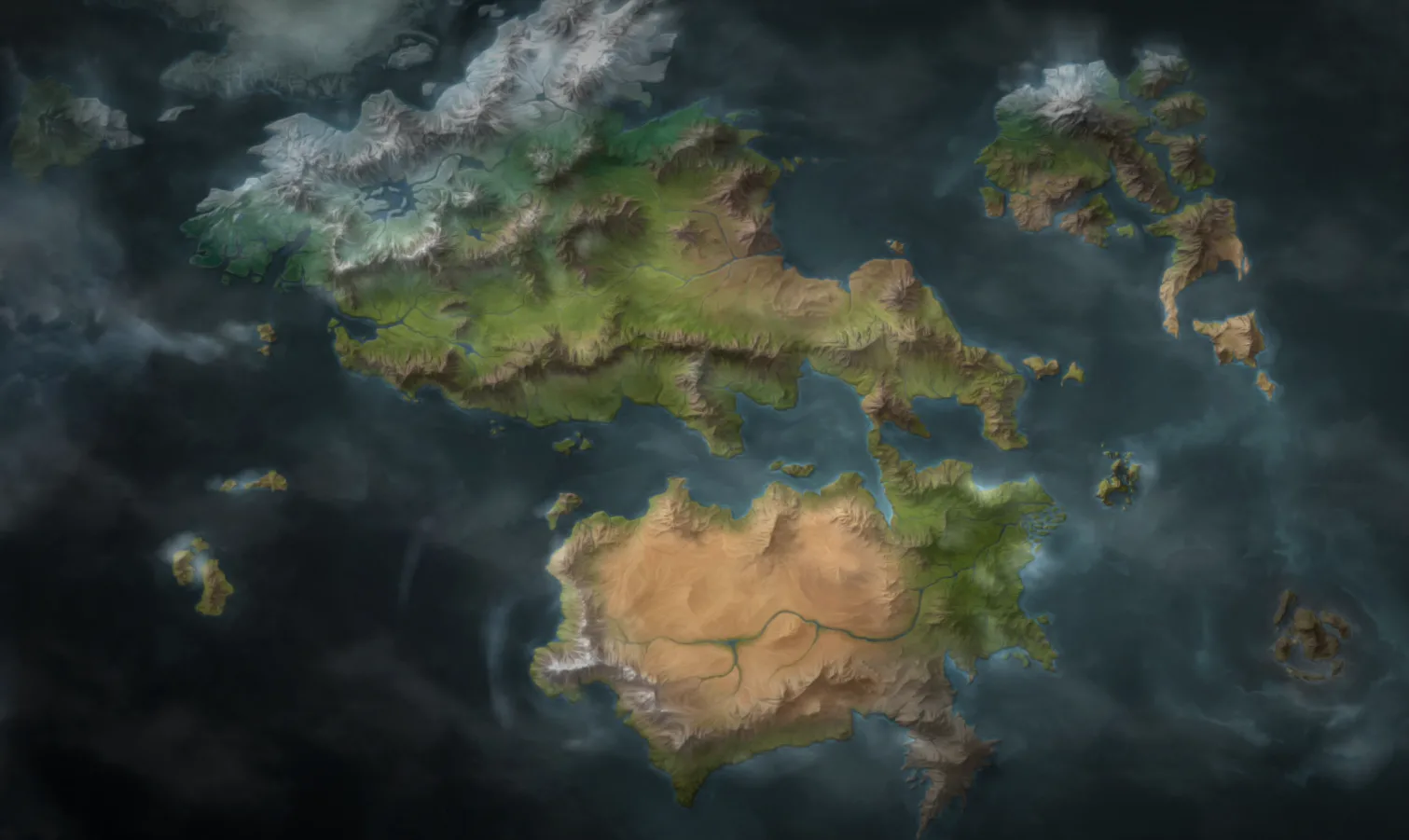
Much of LoL lore begins with geography. Runeterra is divided into cultures with distinct beliefs, governments, magic, dangers, and histories. The Freljord is shaped by survival, old gods, and tribal power. Bilgewater is built on piracy, sea monsters, trade, and betrayal. Piltover and Zaun show two sides of progress, one polished and wealthy, the other dangerous, inventive, and exploited.
Other regions push the story into mythic territory. Targon brings celestial ambition, Shurima carries the weight of empire and ascension, and the Void represents one of Runeterra’s most alien threats. By organizing lore around regions, RiftDaily makes it easier to understand why champions act, fight, ally, or betray.
The best way to follow League of Legends lore is not always chronological. We usually recommend starting with one favorite champion, then expanding into their region, enemies, allies, and faction history. A Lux fan naturally moves into Demacia’s fear of magic. A Jinx or Ekko fan quickly reaches the Piltover and Zaun divide. A Viego fan opens the door to the Shadow Isles and Camavor.
RiftDaily’s lore pages are designed for that kind of browsing. You can jump from champion stories into place-based explainers, then into deeper conflict guides when the names start repeating. We also point toward guides when a story topic overlaps with gameplay, progression, or player-facing systems.
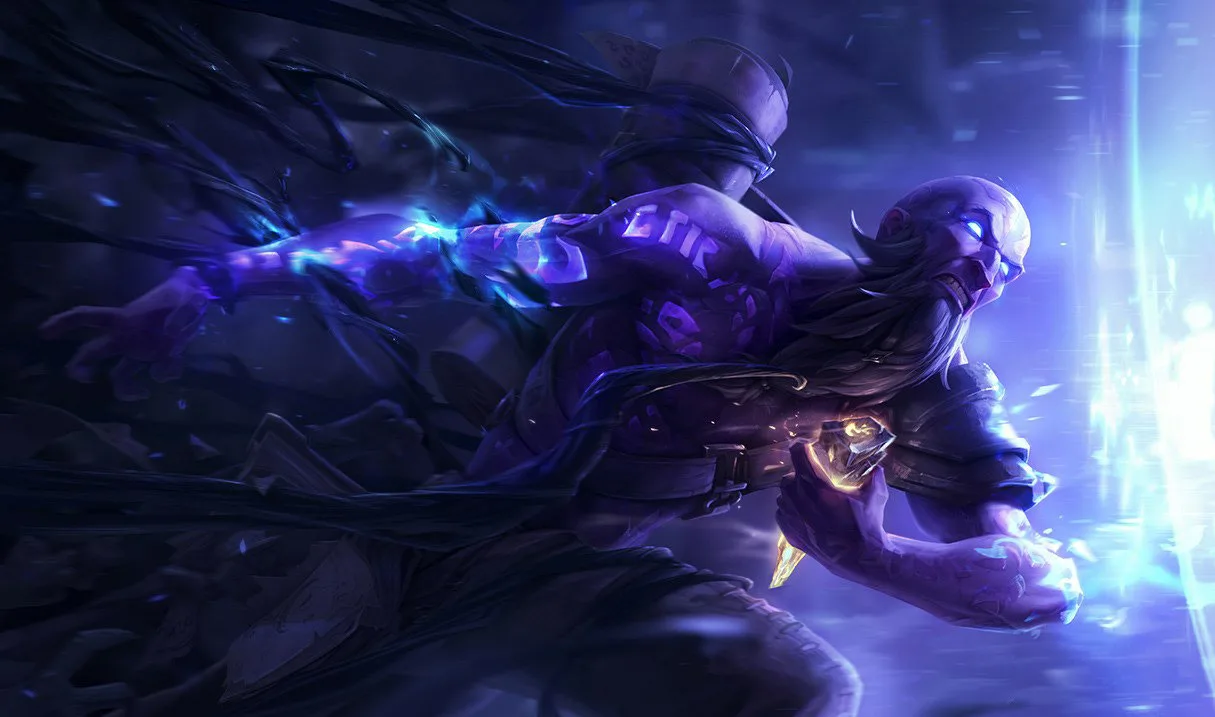
League of Legends lore changes because the game’s world keeps expanding. New champions can reframe old stories. Cinematics can show relationships that were only hinted at before. Region pages can clarify political history, while comics and short stories can reveal motivations that never appear in a match.
That is why RiftDaily treats lore updates as more than trivia. A changed origin can affect how fans understand a champion’s voice lines, rivalries, skins, and future appearances. When the story touches older places like Icathia or newer regional mysteries like Ixtal, we look at what the update adds, what it contradicts, and what it might mean for the wider setting.
Champion lore explains the core version of a character, but League also uses cosmetics and alternate universes to explore different moods. Some skins are playful, some are mythic, and some build entire parallel settings with their own internal logic. They do not always rewrite main canon, but they can show how flexible a champion’s identity is.
For lore fans, this matters because visual design is part of storytelling. Armor, weapons, magic effects, color palettes, and voice lines all communicate culture and personality. RiftDaily separates main Runeterra canon from skin universe flavor, while still covering why certain themes resonate with players and why some alternate versions become fan favorites.
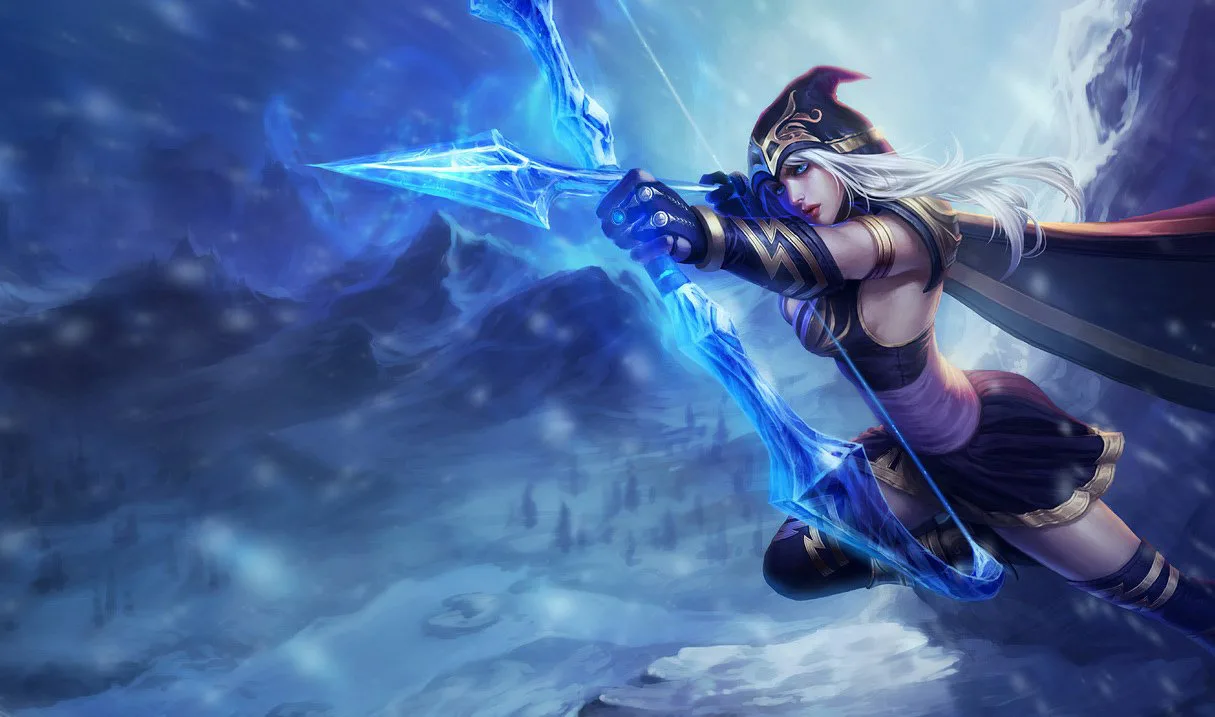
RiftDaily’s League of Legends lore category is built for players who want the story without losing the game’s context. We explain major regions, champion arcs, political conflicts, mythic forces, and hidden factions in clear language, while keeping an eye on why each detail matters to people who actually play League.
You can use this category as a starting point for broad worldbuilding, or as a reference hub when a champion, cinematic, skin line, or faction suddenly becomes relevant again. Region pages such as Bandle City, Ionia, Noxus, and Shurima help break the world into readable parts. Deeper topics like the Black Rose, the Void, and Runeterra tie those parts back into the larger mythology.
We also recognize that lore fans approach the universe differently. Some want champion relationship explanations. Some want regional timelines. Some want to know whether a cinematic connects to the main canon. Others simply want enough background to understand a favorite champion’s motivations. This category supports all of those paths.
As League continues to grow across games, animation, comics, and official story releases, RiftDaily will keep organizing the important pieces so the world feels easier to follow, not harder. League’s story is at its best when the regions feel alive, the champions feel rooted, and the conflicts make every match feel connected to something larger.