League of Legends tournaments in 2026 run from January's regional openers through the World Championship final on November 14. The season moves through regional...
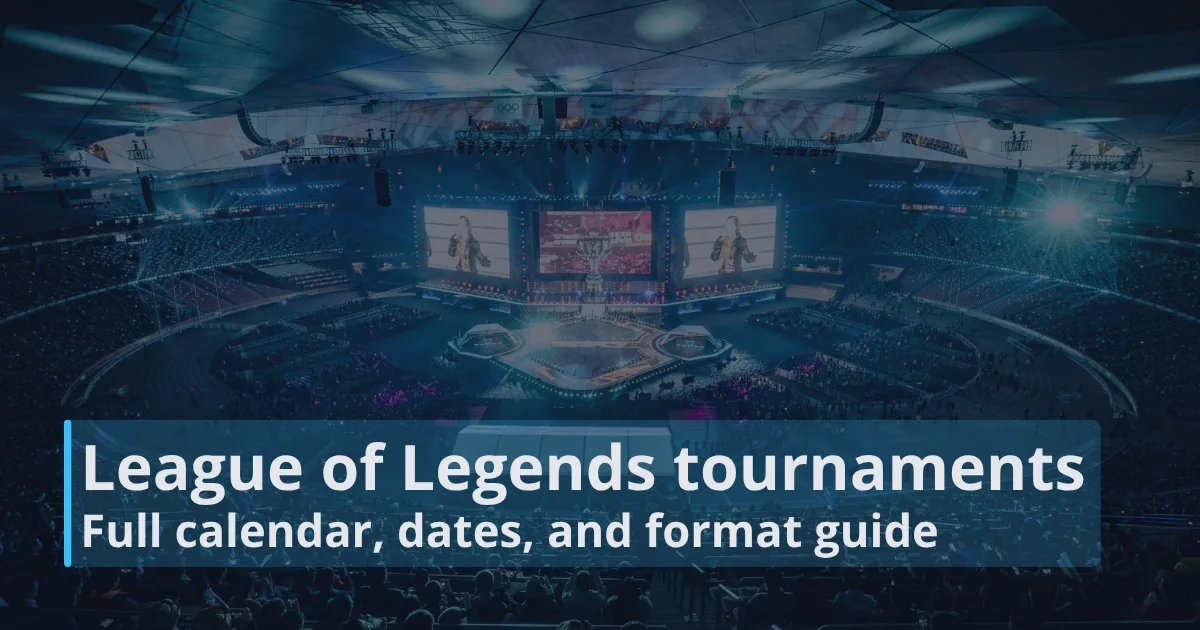

LPL coverage on RiftDaily follows China’s top League of Legends league, with team rivalries, player form, aggressive drafts, domestic races, weekly match context, and global contender stories.
League of Legends tournaments in 2026 run from January's regional openers through the World Championship final on November 14. The season moves through regional...
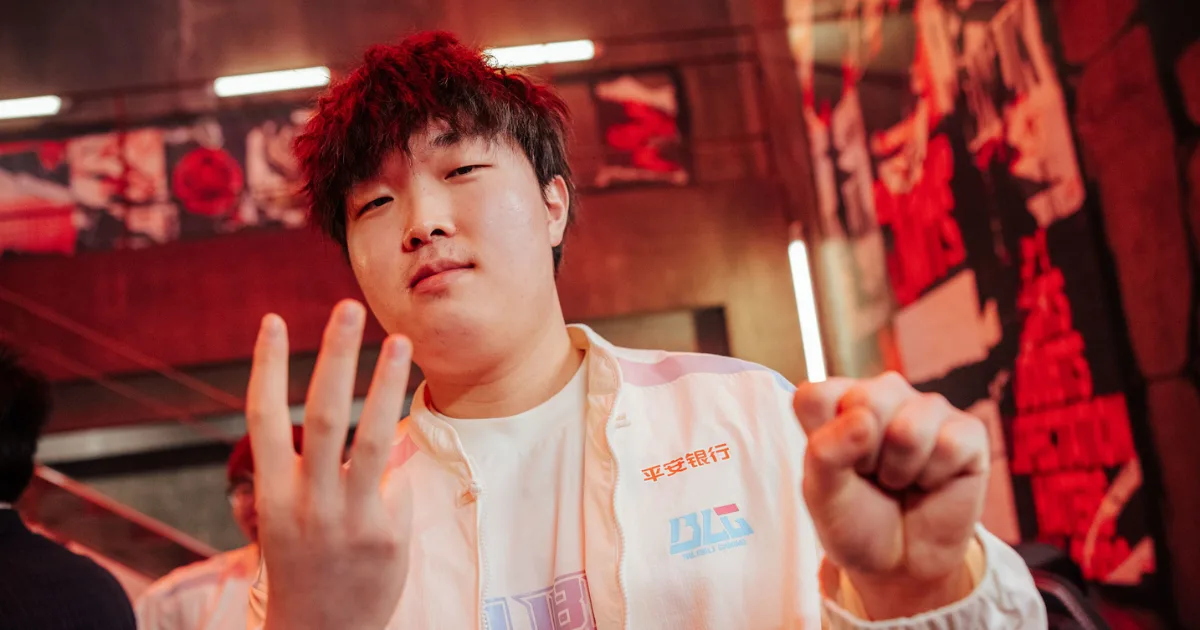
Bilibili Gaming's 2-0 win over Top Esports on August 21 marked Bin's return to the starting lineup. BLG also secured first place in the LPL 2026 Split 3 regular season...

Bilibili Gaming have signed Li “Flandre” Xuanjun ahead of the LPL Split 3 playoffs. The 2021 world champion joins BLG after Bin stepped away from the lineup, with Wenbo...
Latest
 GEN
GEN

 HLE
HLE

 BLG
BLG

 AL
AL

 G2
G2

 TL
TL

 LOS
LOS

 TSW
TSW

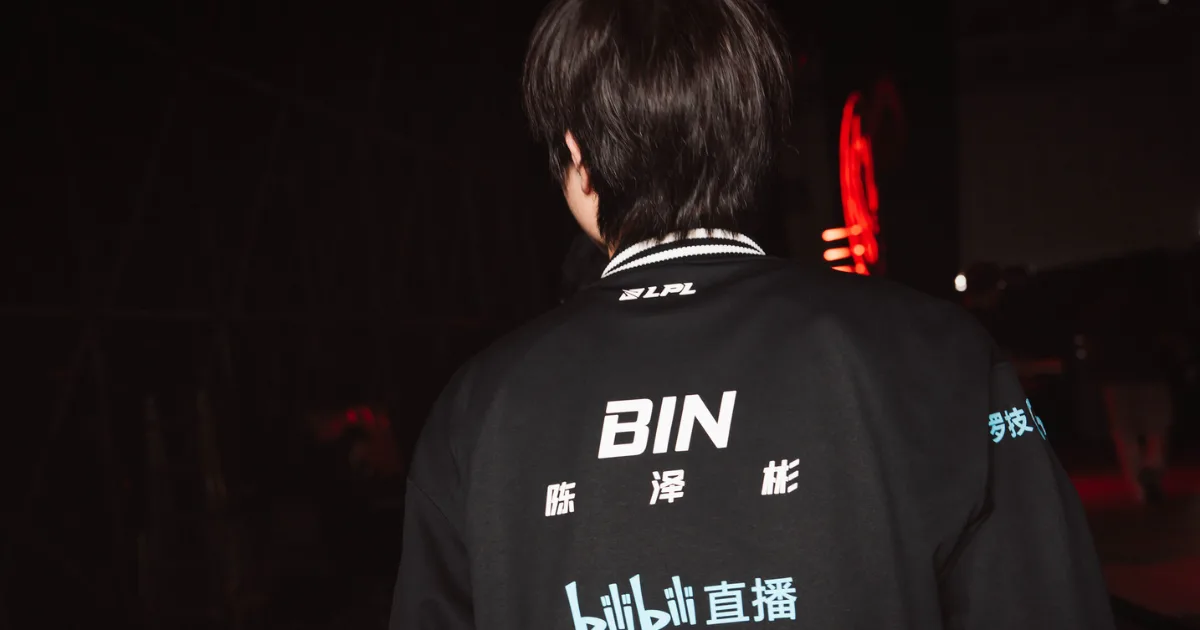
BLG Bin will take a temporary break from competitive League of Legends after saying he has not been in his best...
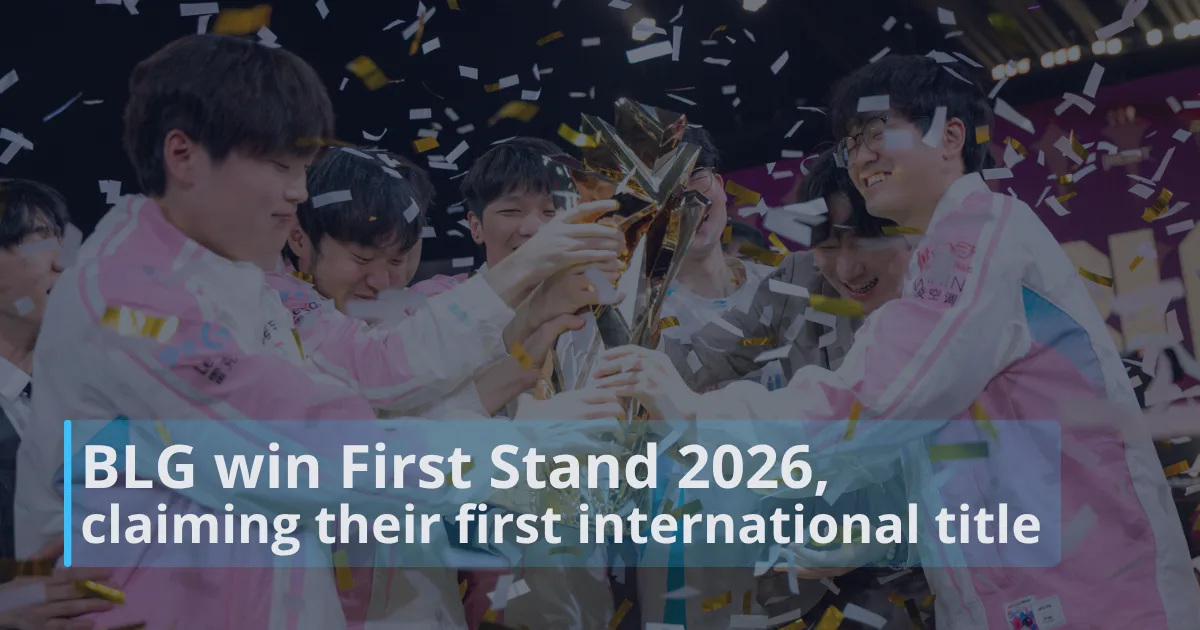
BLG win First Stand 2026, beating G2 3-1 to claim their first international title after years of near misses and LPL dominance.
Shorts
LPL is where China’s best League of Legends teams build their identity through pressure, mechanics, fearless drafting, and long domestic campaigns. RiftDaily’s LPL category focuses on The League of Legends Pro League as more than a list of match results. We follow the teams, players, rivalries, and tactical choices that make the Chinese league one of the most influential forces in global esports.
The LPL often changes how international League of Legends is discussed. A rising carry can become a Worlds threat within one split. A team with explosive early games can force every opponent to rethink draft and vision control. A veteran roster can look dominant for weeks, then face real questions when younger players punish slow setups. That constant tension is why this category sits beside our wider esports coverage, while still needing its own space.
| LPL focus | Why it matters |
|---|---|
| Domestic rivalries | Long-running team histories add weight to regular season and playoff matches. |
| Player development | New stars can quickly reshape lane matchups, champion priorities, and team identity. |
| Draft aggression | China’s top teams often test bold picks and fast tempo plans before global events. |
| International threat | LPL form affects expectations for MSI, Worlds, and cross-region debates. |
RiftDaily uses news updates, team coverage, and player profiles to connect individual stories to the wider title race. The goal is to explain why each result matters in China, and why it may matter everywhere else.
CRAZY IS OUR GAME | LPL Promo Video introduces the league’s competitive identity and China’s distinct place in professional League of Legends.

LPL branding frames this category’s focus on China’s premier professional League of Legends competition.
LPL news matters because domestic performance rarely stays domestic. A strong split can set up a team for First Stand, MSI, or Worlds, while a poor run can force roster questions long before the next international stage. RiftDaily tracks the practical side of those changes, including substitutions, coaching direction, playoff races, form swings, and schedule pressure.
We also separate meaningful developments from routine noise. Not every best-of-series changes the title picture, but certain drafts, lane assignments, objective calls, and late-game collapses can reveal where a contender is improving or falling behind. The goal is to make the LPL easier to follow without flattening what makes the league unpredictable.
The LPL rewards close viewing because momentum can shift quickly across a split. A rising rookie, a new bot lane pairing, or one experimental draft priority can change how teams prepare for the next opponent. For official updates, fans can follow LPL English on X and the LPL Twitch channel, while RiftDaily focuses on explaining what the results mean.
Our coverage looks for patterns across matches, not isolated highlight clips. We watch champion pools, side selection, early jungle pressure, objective setups, teamfight discipline, and how coaches adapt between games. That approach helps turn a busy schedule into a clearer picture of which teams are building toward a title run.
LPL Rebranding Unveiled! | Crazy is our Game gives useful context for the league’s modern visual identity and competitive attitude.

The LPL trophy represents the domestic stakes behind China’s path into international League of Legends competition. Image credit: League of Legends Pro League, CC BY 3.0.
The LPL is often discussed through its aggression, but the best teams are more than constant fighting. They pressure lanes, trade objectives, accelerate gold leads, and punish hesitation. Comparing those tendencies with the LCK, LEC, LCS, CBLOL, and LCP helps explain why international matchups can feel so different from regional play.
RiftDaily looks at what actually drives those differences. Sometimes it is draft confidence. Sometimes it is mechanical laning. Sometimes it is how a team contests vision before a major objective. The useful question is not whether the LPL is chaotic, but which teams can turn pressure into repeatable wins.
New LPL fans can start by learning the major organizations, the carry players, and the teams most likely to challenge for international spots. Returning fans may care more about roster rebuilds, role swaps, academy promotions, and whether a veteran core still has enough flexibility to survive newer draft trends.
RiftDaily aims to serve both groups. We explain the basics when a storyline needs context, but we also dig into advanced angles like lane priority, objective sequencing, engage tools, scaling plans, and series adaptation. The result is coverage that works whether you are checking the league after a long break or following every meaningful match week.
Crazy Is Our Game | Behind the Scenes of the LPL Rebranding! shows how the league presents its identity beyond match results.
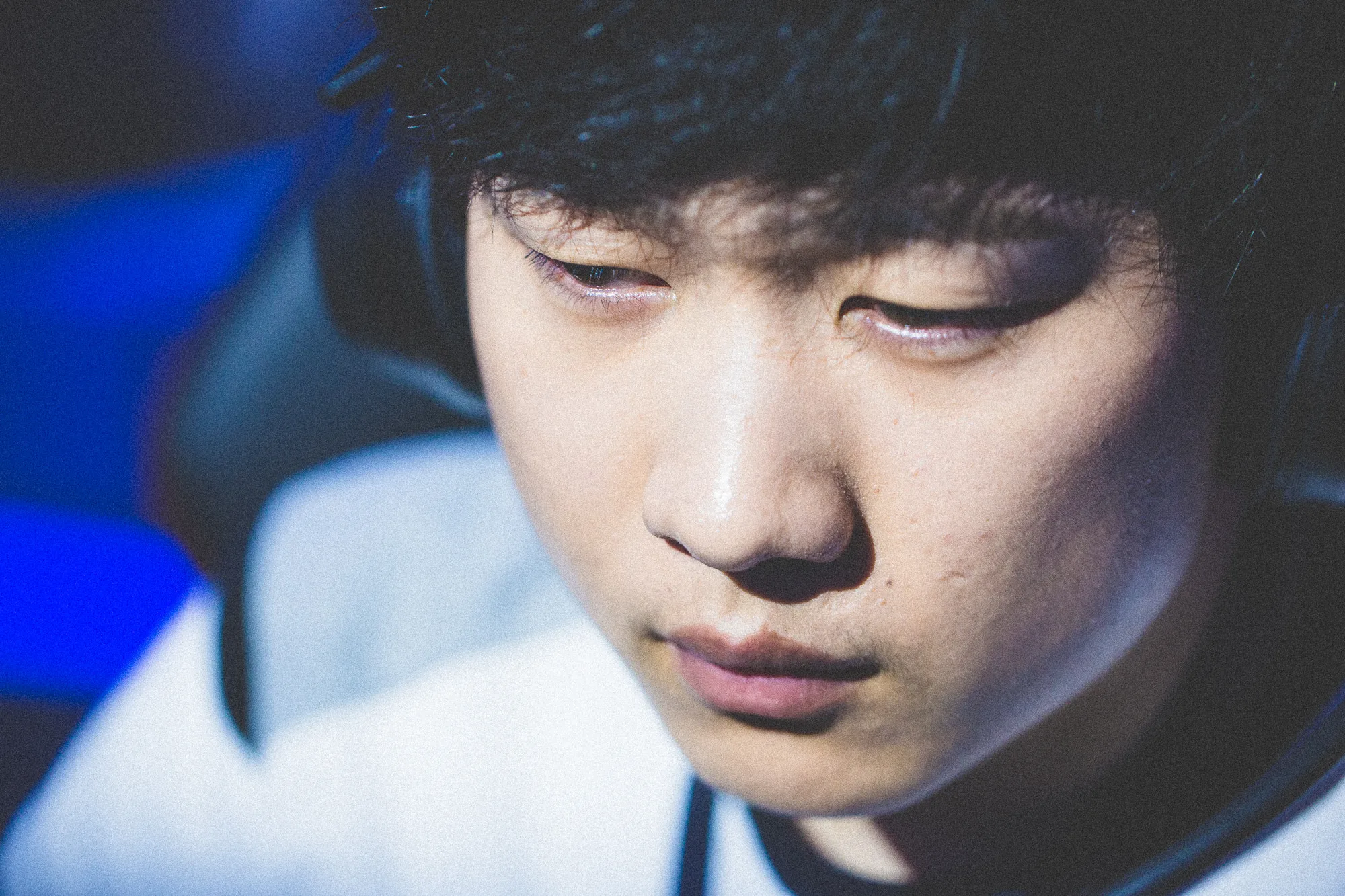
Player focus, draft pressure, and stage decisions are central to RiftDaily’s LPL analysis. Photo credit: Bruce Liu, CC BY-SA 3.0.
The LPL rewards fans who pay attention to detail. A single series can reveal whether a team has solved its early game, whether a carry has expanded their champion pool, or whether a coaching staff has found a more reliable identity. RiftDaily’s LPL category is built to track those signals across the full competitive calendar.
We focus on the stories that separate China’s league from other regions. That includes the speed of its skirmishes, the depth of its player pool, the pressure on elite organizations, and the way domestic form can quickly become an international talking point. When an LPL team looks ready for MSI or Worlds, we explain what makes that strength believable. When a favorite starts slipping, we look at the causes rather than only the standings.
This category should help you follow The League of Legends Pro League with more confidence, whether you are tracking a championship race, comparing regions, studying a draft trend, or learning why a new player is suddenly central to the conversation.