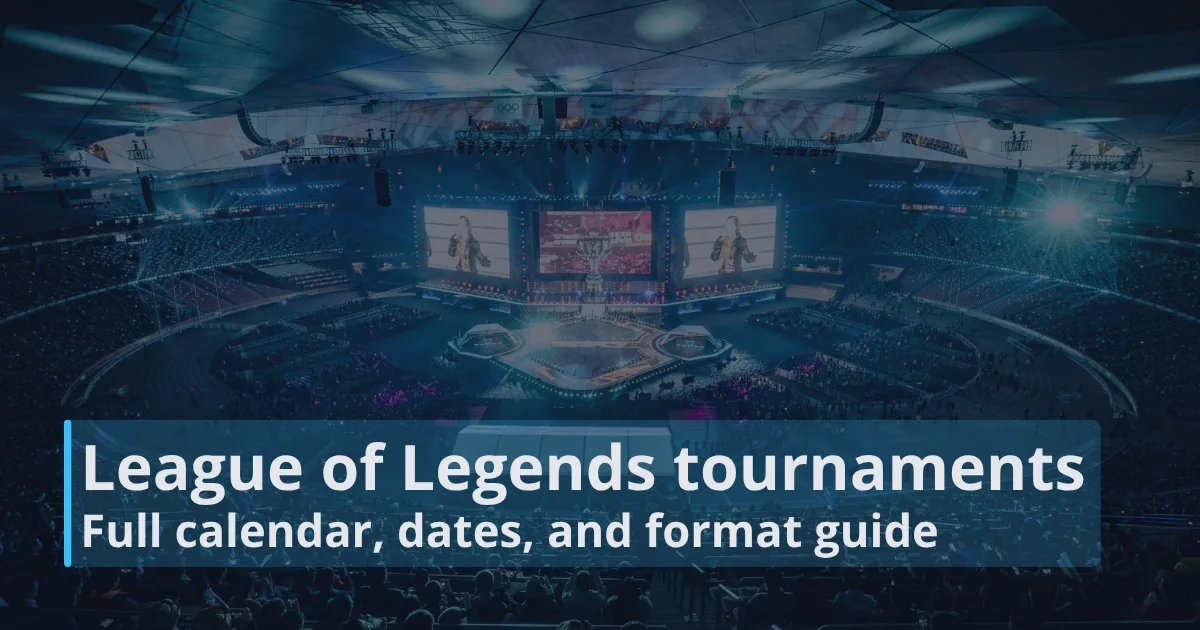
League of Legends tournaments in 2026 run from January's regional openers through the World Championship final on November 14. The season moves through regional...

LCK coverage tracks Korea’s premier League of Legends league with match context, team stories, player form, results, international implications, and RiftDaily esports analysis for fans.
League of Legends tournaments in 2026 run from January's regional openers through the World Championship final on November 14. The season moves through regional...
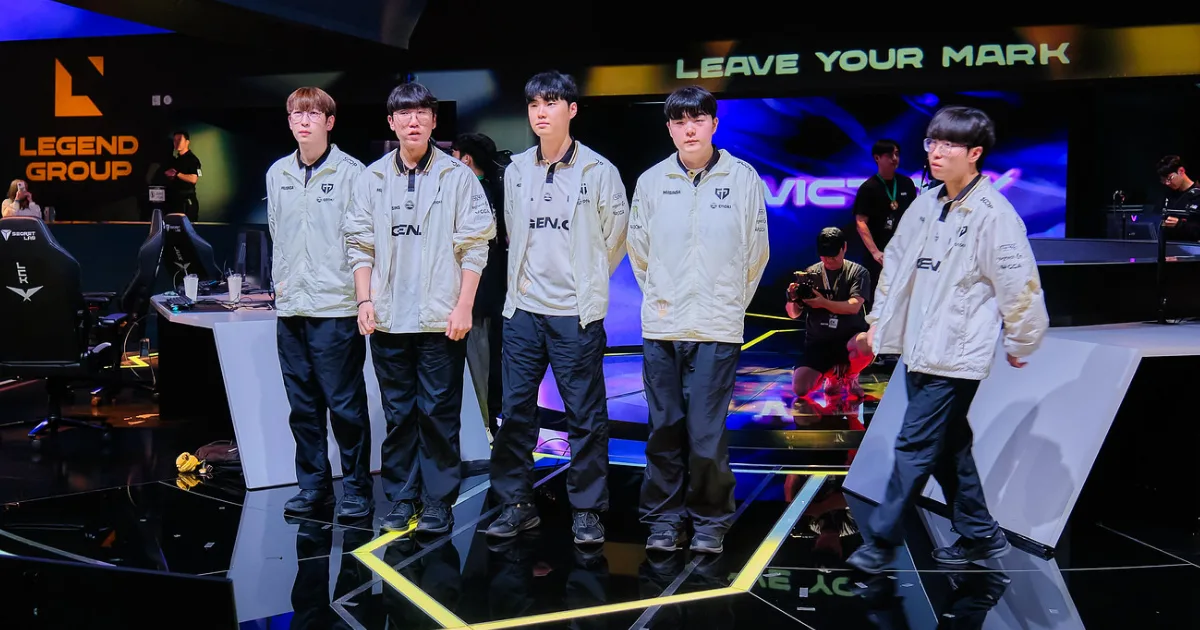
Both Gen.G and T1 will be attending the 2026 Worlds Championships following Gen.G’s sweep against KT Rolster in a scoreline of 3-0 during the LCK 2026 Season Playoffs....
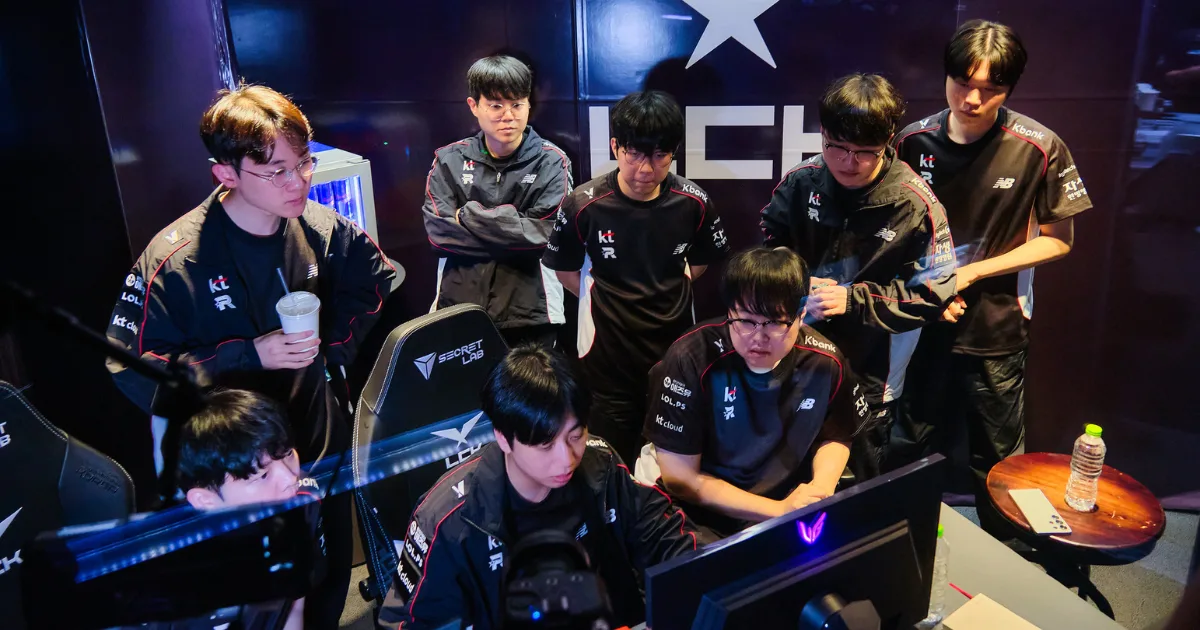
KT Rolster's playoff path got a lot harder after T1 came back to win their series 2-1. KT looked good enough to take the opener, but T1 answered in the next two games...
Latest
 GEN
GEN

 HLE
HLE

 BLG
BLG

 AL
AL

 G2
G2

 TL
TL

 LOS
LOS

 TSW
TSW

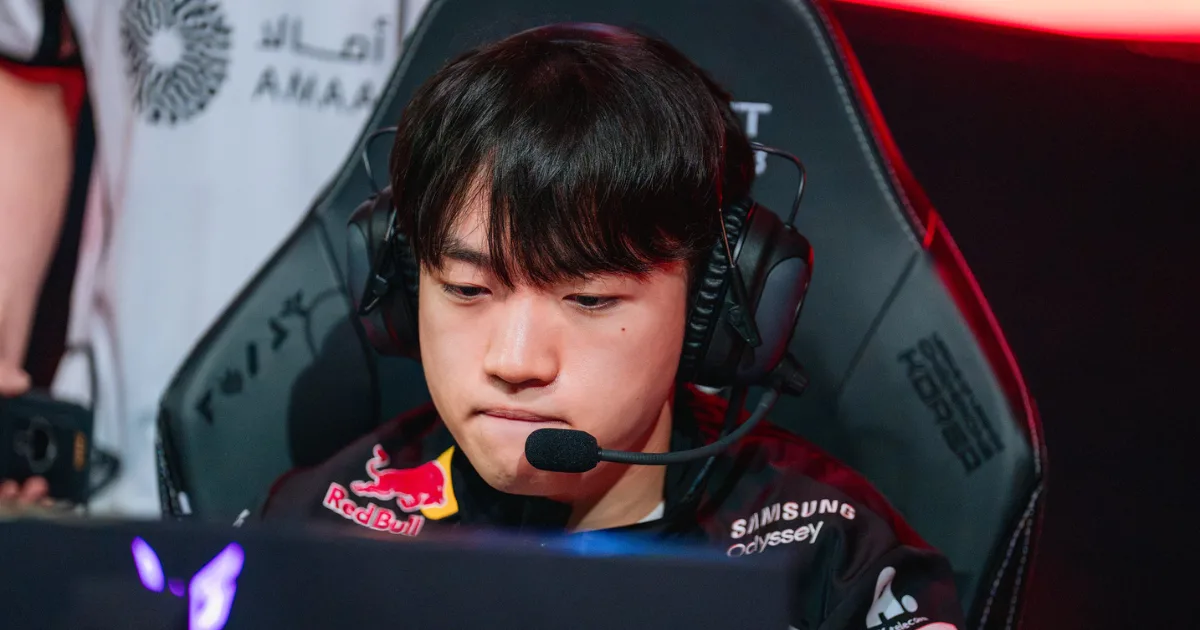
The Home Ground curse has struck again. T1 lost their opening match at the 2026 T1 Home Ground on August 14, falling...
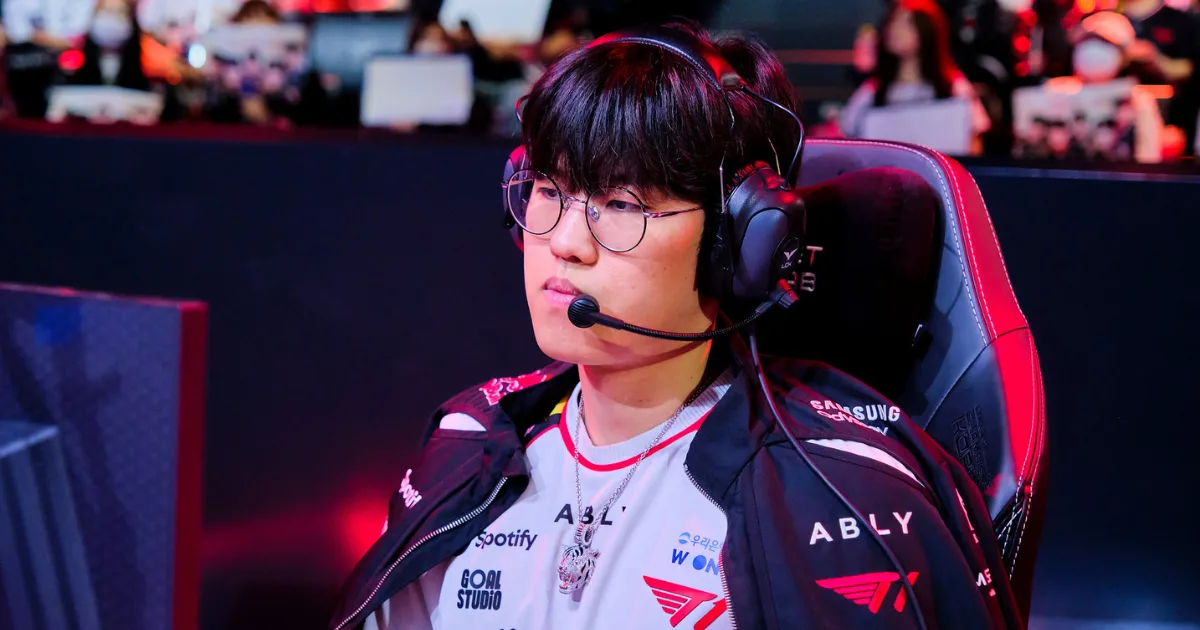
T1 has made one of its biggest lineup decisions of the LCK season, replacing long-time starting jungler Mun “Oner”...
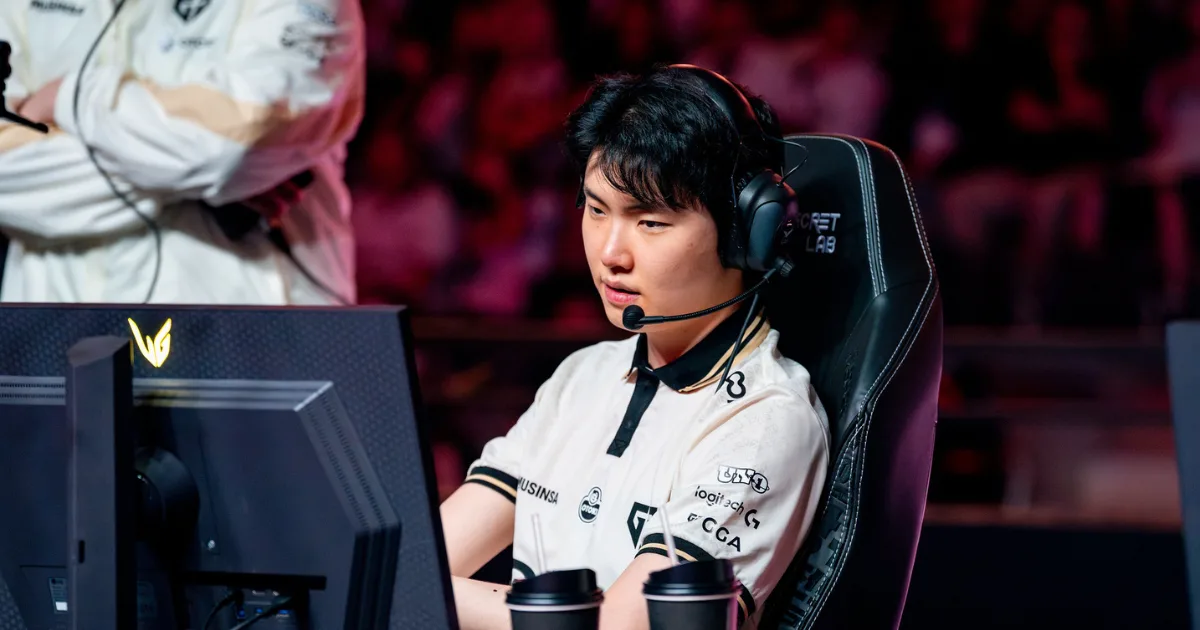
Gen.G and Hanwha Life Esports did not expect to meet this early in Split 3 as the bottom two teams in the Legend...
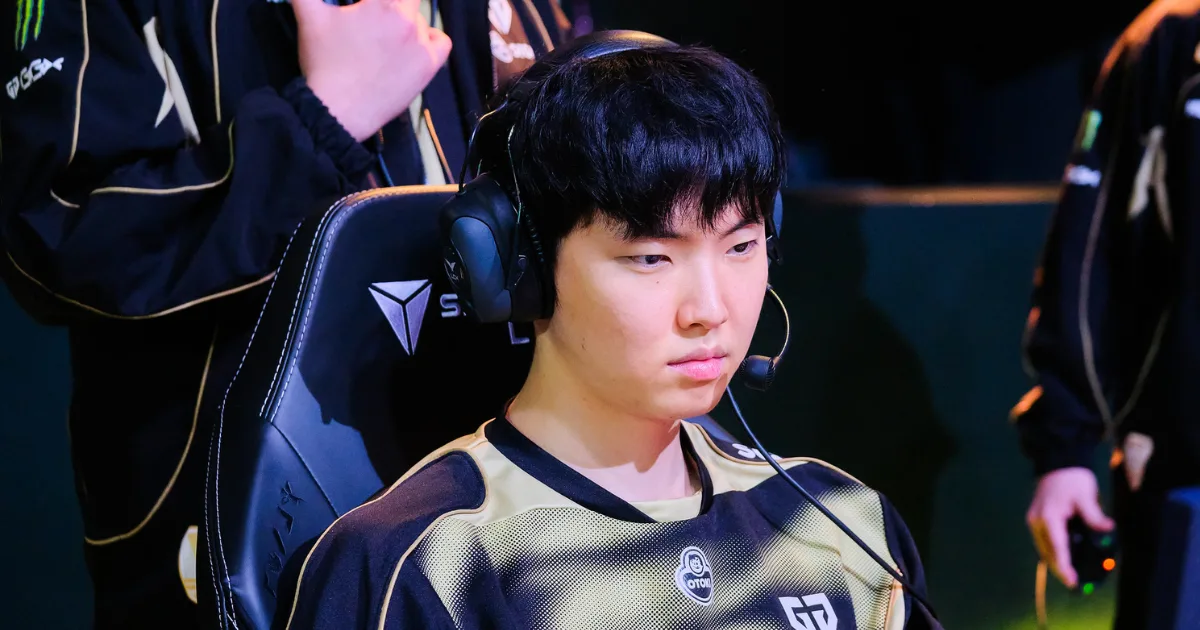
Gen.G Homestand ended without a single game win for Gen.G after the LCK powerhouse was swept by T1 and Dplus KIA...
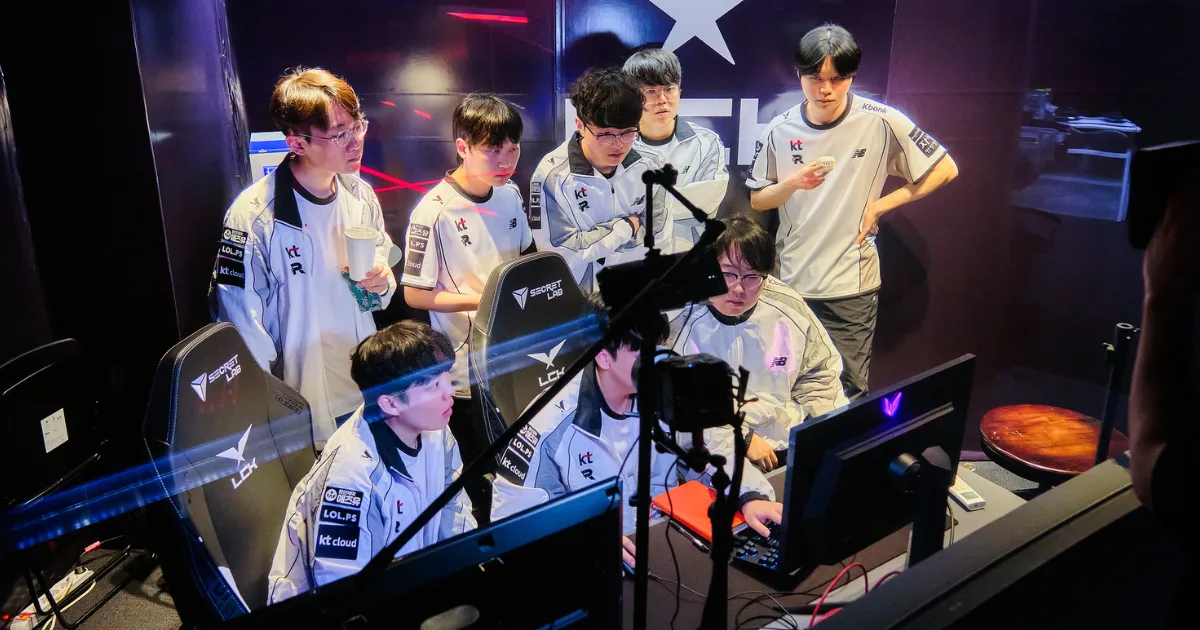
Aiming LoL controversy has taken another turn after Kim “Aiming” Ha-ram left KT Rolster and joined Kiwoom DRX...

KeSPA Cup runs from July 20 to August 18. It features the 10 LCK organizations. Nongshim RedForce are after the first...

KT reverse sweep headlines the LCK Road to MSI after KT Rolster completed a 3-2 comeback over Dplus KIA, eliminating...

T1 Peyz has pushed the League of Legends pentakill record even further, reaching 14 career pentakills after closing...

T1 star Faker has taken an unexpected turn into romantic comedy in Google Play Korea’s new ad campaign with aespa’s...
Shorts
The LCK is one of the defining competitions in professional League of Legends, combining disciplined macro play, elite laning, deep coaching staffs, and a history of international success. As the home of League of Legends Champions Korea, it is where many of the game’s most influential teams, players, strategies, and rivalries are tested before reaching global stages.
RiftDaily’s LCK category is built as a landing page for everything that shapes Korea’s top league. That means match context, roster movement, team identity, player form, draft trends, broadcast storylines, and how domestic results connect to the wider League of Legends esports calendar. We keep the focus on what matters beyond a single scoreboard, why a result changes expectations, which teams are adapting, and which players are defining the pace of the region.
For official schedules and live viewing, the LoL Esports hub remains the primary source. For background on the league’s history and structure, League of Legends Champions Korea is a useful reference point. Our role is to add readable editorial context, connecting those facts to form, momentum, and competitive meaning.
| Coverage area | What RiftDaily tracks |
|---|---|
| News | League developments, roster context, schedule notes, and major competitive storylines. |
| Teams | Identity, strengths, weaknesses, rebuilds, and matchup patterns across Korea. |
| Players | Role form, champion pools, breakout performances, and veteran impact. |
| Regional comparison | How the LCK stacks up against the LPL, LEC, LCS, LCP, and CBLOL. |

LCK news matters because the league is rarely static. Team identities can shift through a single signing, a role swap, a coaching change, or a draft approach that unlocks a roster’s strengths. RiftDaily tracks these developments with attention to competitive impact, not just announcement value.
Our LCK coverage looks at why a move fits a team’s style, how a player changes lane pressure or objective setups, and whether a rebuild is aimed at domestic consistency, international qualification, or long-term development. We also follow how organizations communicate with fans through official channels such as LCK on X, especially when league-wide announcements need extra context.
Rather than treating each update as isolated, we connect news to matchups, standings pressure, player growth, and the broader Korean ecosystem.
The LCK is not only a domestic league. Its results feed directly into the biggest checkpoints in the League of Legends season, including First Stand, MSI, and Worlds. A strong run in Korea can redefine global expectations, while a shaky domestic stretch can expose problems before international best-of-series begin.
RiftDaily uses this category to explain those stakes in practical terms. We look at qualification paths, bracket pressure, form against elite opponents, and the way Korean teams adapt when facing different regional styles. That includes how LCK teams handle faster early games, scaling compositions, lane-swap pressure, teamfight discipline, and draft flexibility against non-Korean opponents.
For fans following multiple regions, this page helps place Korea’s results in the wider competitive map.
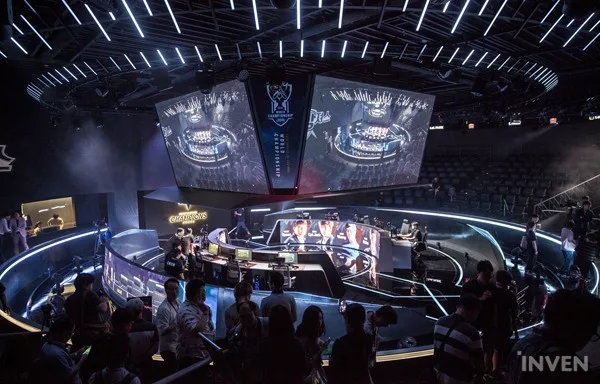
A final score rarely tells the full LCK story. A clean win might come from superior vision setup, a decisive jungle path, lane control that denies tempo, or a draft that makes one objective fight impossible to contest. RiftDaily’s analysis focuses on those details, making match outcomes easier to understand without reducing them to statistics alone.
We pay attention to early lane assignments, support roaming windows, dragon and Baron setups, side-lane pressure, scaling timers, and how teams respond after falling behind. LCK matches often reward patience and precision, but the best teams also know when to accelerate and punish small mistakes.
This category is designed to help fans recognize the difference between a lucky fight, a planned setup, and a repeatable strategic edge.
LCK player coverage is about more than highlight clips. Top laners define side-lane pressure, junglers control tempo, mid laners shape map access, bot lanes decide damage curves, and supports often determine whether a team can start or stop fights. Each role changes how a roster functions.
RiftDaily follows established stars, rising prospects, and role players who make a team’s system work. We look at champion pools, laning reliability, communication demands, late-game decision-making, and how individual strengths translate into team identity. Some players win through mechanics, others through stability, shot-calling, or draft flexibility.
The LCK has long been associated with elite fundamentals, but every generation brings new stylistic shifts. Tracking those changes helps explain why certain players become franchise pillars and why others thrive when the meta suits them.
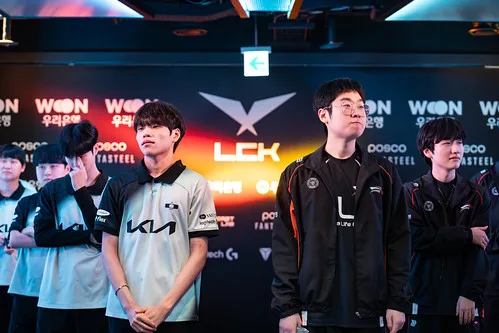
The LCK category brings Korea’s League of Legends scene into one focused destination. Whether the story is a title race, a rebuilt roster, a breakout rookie, a veteran returning to form, or a team preparing for international pressure, RiftDaily connects the headline to the competitive details that matter.
Our coverage is built for fans who want more than scattered updates. We organize LCK stories around team direction, player performance, match trends, draft logic, standings impact, and global implications. That makes it easier to follow a long season, compare Korea with other regions, and understand why certain results carry more weight than others.
We also treat the LCK as part of a wider League of Legends ecosystem. Domestic matches influence global expectations, international tournaments reshape regional narratives, and every strong Korean run adds to the league’s reputation. From weekly news to broader esports coverage, this page is the gateway to RiftDaily’s LCK reporting.
Use this category whenever you want clear context on Korea’s top league, its defining teams, its most important players, and the competitive stories that shape League of Legends Champions Korea.