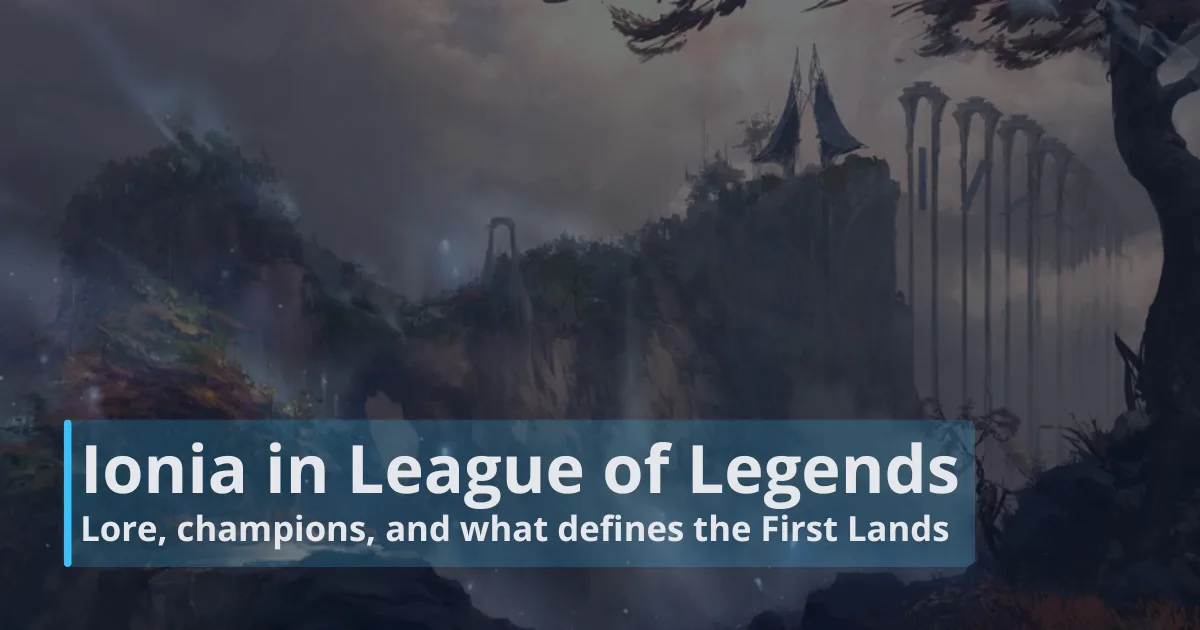
Ionia is the spiritually charged homeland of League of Legends, a vast archipelago where nature, magic, and the spirit realm shape everyday life. It looks peaceful from a distance, but Ionia becomes much more interesting once you see how balance, trauma, and war have changed it.
At its best, Ionia stands for harmony, self-knowledge, restraint, and respect for the living world. At its worst, it fractures into extremism, vengeance, and magical imbalance. That tension is why Ionia remains one of the richest regions in Runeterra lore.
If you want the short version, Ionia is the First Lands, a magic-soaked archipelago that spent centuries pursuing spiritual balance until the Noxian invasion forced it to rethink everything. That single shift explains most of modern Ionia, from Irelia and Karma to Zed, Shen, Yasuo, Syndra, and the rise of more militant factions.
Ionia at a glance
- What Ionia is: a magic-rich archipelago known as the First Lands, where the boundary between the material and spirit realms is unusually thin.
- What Ionia is known for: balance, spiritual traditions, vastaya, warrior monasteries, sacred landscapes, and the lasting scars of the Noxian invasion.
- What drives Ionia lore: the struggle between harmony and militarization after war shattered the region's old isolation.
- Why Ionia matters: it turns a beautiful fantasy region into one of Runeterra's most emotionally layered and politically divided settings.
Ionia champions
The fastest way to understand Ionia is through its champions. Each one highlights a different side of the First Lands, from spiritual balance and sacred tradition to war, grief, rebellion, and the fallout of the Noxian invasion. For official champion pages and bios, the League of Legends site is the cleanest place to start.
| Champion | Role in Ionia | Why the champion matters |
|---|---|---|
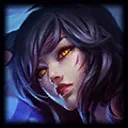 Ahri | Vastaya mage tied to memory and identity | Ahri captures Ionia's mystical side, especially its connection to memory, emotion, and spiritual transformation. |
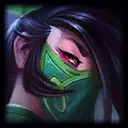 Akali | Rogue assassin and former Kinkou prodigy | Akali shows what happens when Ionian patience gives way to direct action and personal judgment. |
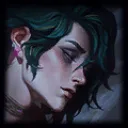 Hwei | Artist-mage shaped by trauma | Hwei reflects Ionia's link between beauty and pain, especially after Jhin's violence shattered his old life. |
 Irelia | Resistance icon and defender of Navori | Irelia is the face of Ionian defiance, the leader who turned grief into resistance during the war with Noxus. |
 Ivern | Ancient outsider transformed by the God-Willow | Ivern ties modern Ionia to one of its oldest legends, the destruction of the God-Willow and the birth of the Green Father. |
 Jhin | The Golden Demon and serial killer artist | Jhin represents the most twisted version of Ionian refinement, turning performance and beauty into horror. |
 Karma | Living reincarnation of Ionia's spiritual legacy | Karma embodies Ionia's oldest ideals, but her story also shows how war forces even peaceful leaders to fight. |
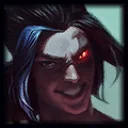 Kayn | Shadow warrior shaped by war and forbidden power | Kayn embodies the darker future of Ionia, where survival, shadow magic, and ambition can outweigh balance. |
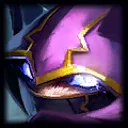 Kennen | Kinkou yordle and guardian of balance | Kennen keeps the spiritual side of Ionia alive and shows that restraint still has defenders. |
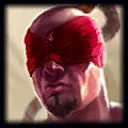 Lee Sin | Monk who channels the dragon spirit | Lee Sin reflects Ionian discipline, spiritual training, and the price of mastering dangerous inner power. |
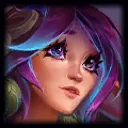 Lillia | Dream-born fawn tied to Ionian magic | Lillia highlights Ionia's gentler, dreamlike side and its unusual bond between emotion, nature, and spirit growth. |
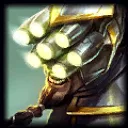 Master Yi | Last great master of Wuju | Master Yi carries one of Ionia's deepest war wounds, the destruction of Wuju by chemical fire. |
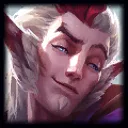 Rakan | Vastayan rebel and performer | Rakan gives Ionia energy, charisma, and living vastaya politics instead of pure monastery seriousness. |
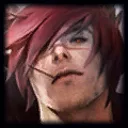 Sett | Postwar power broker with vastayan roots | Sett shows the rougher, less idealized side of Ionia that emerged after war and social fragmentation. |
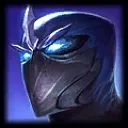 Shen | Eye of Twilight and leader of the Kinkou | Shen is one of the clearest symbols of classic Ionia, balance, discipline, and service beyond personal emotion. |
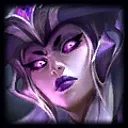 Syndra | Unbound mage of immense power | Syndra represents the fear that raw magical potential can break Ionia's idea of balance entirely. |
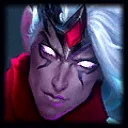 Varus | Darkin reborn through an Ionian tragedy | Varus ties Ionia to the Darkin War and shows how ancient prisons and modern invasions can collide. |
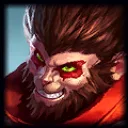 Wukong | Wuju disciple and simian vastaya | Wukong keeps the Wuju tradition alive and brings a more adventurous, mobile energy to Ionia champions. |
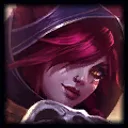 Xayah | Vastayan revolutionary | Xayah forces Ionia to confront the fact that harmony has not protected every people equally. |
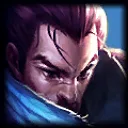 Yasuo | Exiled swordsman shaped by guilt and loss | Yasuo shows the personal cost of war in Ionia, especially how honor, grief, and rumor can destroy a life. |
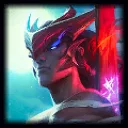 Yone | Spirit-touched hunter of azakana | Yone expands Ionia into the afterlife-facing side of the setting, where demons, masks, and spirit wounds become personal. |
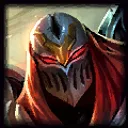 Zed | Master of shadows and militant reformer | Zed is one of the most important modern Ionian figures because he turned wartime desperation into a permanent ideology. |
Other champions related to Ionia
Not every important Ionian connection comes from citizenship. Some champions invaded the First Lands, scarred them, defended them, or were transformed by what happened there.
| Champion | Connection to Ionia |
|---|---|
| Bard | Intervened at Bard Mountain when a magical artifact threatened to fall into mortal hands during wartime. |
| Darius | Served as a Noxian field commander during the invasion of Ionia. |
| Diana | Searches for surviving Lunari in Ionia, giving the region a quiet link to Targon. |
| Gangplank | Ransacked the Temple of the Jagged Knife, tying Ionia to the violence and opportunism of Bilgewater. |
| Lucian | Traveled through Ionian villages in response to Black Mist activity and Harrowings. |
| Nami | Searches Ionian waters and shores for the Aspect of the Moon and wider magical answers. |
| Riven | Fought in Ionia for Noxus, then later lived there after deserting the empire. |
| Ryze | Visited the Hirana Monastery during his search for the World Runes. |
| Senna | Protected Ionian settlements from the Black Mist alongside Lucian. |
| Singed | Supplied chemical weapons that turned parts of Ionia into lasting war scars. |
| Sona | Was born in Ionia before being adopted into Demacia. |
| Soraka | Visited Ionia in the past, adding to its long spiritual and celestial associations. |
| Swain | Led forces in the invasion and lost his arm to Irelia at the Placidium. |
| Taliyah | Was brought to Ionia during the invasion before her path continued elsewhere. |
| Udyr | Defended Ionia during the invasion and connects its story to older ties with the Freljord. |
| Viego | Brought the Black Mist into Ionia, deepening its connection to the Ruination. |
| Xin Zhao | Was born in Ionia before being captured, enslaved, and reshaped by life outside the First Lands. |
Ionia lore, balance, and the spirit realm
Ionia is not just a nation with pretty scenery. It is a place where the natural world, mortal life, and spirit magic overlap more openly than almost anywhere else. That is why Ionia can feel serene and dangerous at the same time. Forests, mountains, rivers, shrines, and creatures all seem to respond to how people behave around them.
Classic Ionia was shaped by balance. Many communities preferred meditation, art, ritual, local governance, and self-cultivation over expansion or centralized conquest. That old vision never made Ionia weak, but it did make the region slow to imagine full-scale war until war arrived anyway.
This is also what makes Ionia different from simpler fantasy settings. Magic here is not only a weapon. It is part of the land, part of memory, and part of everyday philosophy. When people in Ionia lose balance, the damage is often spiritual as well as political.
Ionia history, from ancient myth to the Noxian invasion
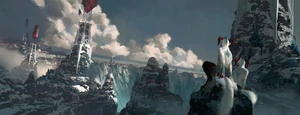
Ionia's history stretches far beyond the modern war with Noxus. The First Lands were home to ancient spiritual traditions and to the Vastayashai'rei, the magical ancestors of the vastaya. Over time, humans, vastaya, and other peoples settled across the archipelago, building cultures that tried to live with the land rather than dominate it.
Some of the oldest Ionian stories sit beside wider catastrophes that shaped the rest of the world, including the upheavals that scarred places like Icathia and other ancient crises tied to the Void. Ionia was never fully separate from those ages of ruin, but it remained one of the few places where life, spirit, and magic could still hold together without total collapse.
One of the most important early stories is the destruction of the God-Willow. A war party from the north reached sacred Omikayalan, and their leader was transformed by its power into Ivern. That single event links Ionia to the older myths of the Freljord and explains why the loss of sacred natural sites still matters so much in Ionian memory.
The Darkin War also touched Ionia. Varus was eventually sealed beneath the Temple of Pallas, giving the region a long-running connection to ancient weapons, buried corruption, and the aftermath of powers first tied to Shurima.
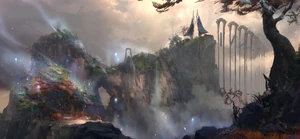
Later came the Golden Demon, Khada Jhin, whose capture and imprisonment helped fracture the lives of Shen and Zed long before war widened that divide. The history of modern Ionia cannot be separated from the Kinkou, the Order of Shadow, and the question of whether balance is enough when the enemy does not care about balance at all.
The biggest turning point in Ionia lore is still the Noxian invasion. Under Boram Darkwill, and with darker manipulation from the Black Rose, Noxian forces targeted the First Lands for conquest, plunder, and ancient magical power. Villages fell, sacred places were desecrated, and Ionia's old confidence in balance was tested harder than ever before.
The war changed almost every major Ionian champion. Karma was forced to fight. Irelia became the face of resistance. Zed embraced forbidden methods. Shen doubled down on the Kinkou path. Master Yi lost Wuju to chemical fire. Kayn was pulled from war into shadow training. Varus was reborn. Even after the retreat of many Noxian forces, Ionia never returned to what it had been.
This video is useful here because it connects the major war stories, from the Placidium to Wuju, into one clear timeline.
It works especially well if you want the war as the backbone of Ionia history before branching into individual champion stories.
Major locations in Ionia
Ionia is not a single city or a single island. It is a large archipelago of provinces, monasteries, mountain settlements, hidden forests, sacred wells, coastal towns, and prison sites that all carry their own tone. That variety is a big reason the region feels deeper than a simple aesthetic label.
Navori and the Placidium
Navori is the spiritual and political heart of modern Ionia. It contains the Placidium of Navori, one of the region's most sacred sites, as well as gardens, temples, schools, villages, and councils that shaped prewar Ionian life. It is also where the war became impossible to ignore, and where Irelia's defiance turned into a turning point for the wider resistance.
Other important Navori locations include Omikayalan, the ancient Heart of the World; the Garden of Forgetting, tied to Ahri's story; Weh'le, the phantom port linked to Akali; and the temples associated with the Kinkou and the Order of Shadow. If you want one province that captures old Ionia and fractured modern Ionia at once, Navori is the best place to start.
Shon-Xan, Zhyun, and the southern reaches
Shon-Xan is less fully mapped in lore, but it matters through places like Puboe, Puboe Prison, and the temple near Xuanain. It carries a more politically unstable tone, especially in stories involving vastaya imprisonment, shadow influence, and local corruption.
Zhyun is one of the darkest major provinces in Ionia. It is tied to Jhin, Tuula Prison, ruined villages, and the long search that defined Shen and Zed's early lives. It also contains Raikkon, the birthplace of Xin Zhao, which quietly links Ionia to lives lived far beyond the First Lands.
Farther south and west, you get Bahrl with Tevasa and Wuju, the ruined home of Master Yi, and the Houhjo islands with Pallas and the Temple of Pallas, where Varus was released. Fae'lor holds the Dreaming Pool and Syndra's prison, one of the clearest reminders that Ionia's greatest dangers are not always foreign.
Ionia culture, vastaya, and spiritual life
Ionian culture is built around harmony, restraint, ritual, and spiritual self-improvement. That does not mean everyone agrees on how to achieve those things. Ionia is full of councils, schools, monasteries, sects, and local traditions that often pull in different directions. The shared ideal is balance. The shared problem is that balance is much harder to protect after invasion and occupation.
The vastaya are essential to Ionia's identity, not a side note. They connect the region to ancient magical ancestry and to present-day conflicts over land, loyalty, and survival. Xayah and Rakan show that not every people in Ionia feels protected by its old systems, while Ahri and Wukong reveal entirely different ways Ionian magic can shape a life.
Ionia also carries a strong festival and myth tradition. Spirit Blossom stories, local shrines, dragon teachings, demon lore, and beliefs about the dead all make the region feel lived-in. Even small details, like humane prisons in older traditions or the way different villages relate to sacred sites, help Ionia feel like a place with memory rather than a backdrop.
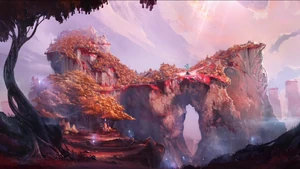
Ionia is also more mixed than its serene image suggests. Human communities live beside vastaya traditions, and yordles like Kennen connect the region quietly to Bandle City. Trade and travel leave marks as well, even in a culture that long preferred isolation.
This short matters because it shows one of the clearest Ionian ideas in motion: when someone harms the land, the land does not always stay passive.
It is one of the best quick examples of how Ionian balance can feel compassionate, dangerous, and completely unlike ordinary state power.
This animated trailer also helps if you want the mythic and festival-facing side of Ionia rather than its war history alone.
It connects Ionia to remembrance, folklore, and the way the region turns spiritual belief into living visual culture.
Ionia's relations with other regions
Ionia makes more sense when you compare it with the rest of the world. The region defines itself through contrast, not only through its own internal balance, but through what invasion, trade, piracy, and spiritual crisis have forced it to become.
| Region | Ionia's relationship | Why it matters in lore |
|---|---|---|
| Noxus | Main enemy and defining external pressure | The invasion of Ionia changed everything. Nearly every major political fracture in modern Ionia makes more sense once you see it as a reaction to Noxian conquest, occupation, and brutality. |
| Shadow Isles | Recurring supernatural threat | Ionia has suffered Harrowings and Black Mist incursions, which reinforces how exposed even a spiritually attuned region can be to undeath and corruption. |
| Piltover | Trade partner and cultural contrast | Piltover ships, weapons, and trade contacts show that Ionia is not fully sealed off, even if its culture remains wary of outside influence. |
| Demacia | Distant political contrast with personal ties | Demacia and Ionia are very different in worldview, but champions like Sona and Xin Zhao keep the connection personal and lasting. |
| Ixtal | Useful comparison in hidden magic and isolation | Both regions are strongly magical and historically inward-looking, but Ionia is more spiritually plural while Ixtal is more controlled and secretive. |
Outside the table, several other comparisons still matter. Bilgewater raiders preyed on Ionian coasts. Zaunite chemtech helped ruin whole communities. Targon appears through moon-linked stories, celestial visitors, and champions tied to sacred searching. Even distant regions help define Ionia by contrast. It is more spiritually open than many places, but less politically unified than almost any major power.
Where to start with Ionia lore
A smart reading order starts with the region page, then moves to Irelia, Karma, Shen, Zed, Yasuo, Yone, Akali, Jhin, Syndra, Xayah, and Rakan. That path gives you the cleanest cross-section of Ionia, its old ideals, its wartime trauma, and the arguments now shaping its future.
For first-party reading, start with the Universe lore archive. Then use your own guides and broader lore hub to connect Ionia to the rest of the setting. After the official reading, the League of Legends subreddit is useful for community discussion, theories, and champion-specific follow-up.
This video works best as a broad refresher before you dive into champion biographies and region pages.
It is especially helpful if you want one fast overview of Ionia before moving into the longer stories around the invasion, the Kinkou, the vastaya, and the spirit realm.
Frequently asked questions about Ionia
What is Ionia in League of Legends?
Ionia is the First Lands, a large archipelago where natural magic and the spirit realm are deeply woven into ordinary life. It is known for balance, sacred landscapes, warrior monasteries, vastaya, and the lingering damage left by the Noxian invasion.
Why is Ionia called the First Lands?
The title reflects Ionia's ancient, myth-rich identity and its reputation as one of the oldest and most spiritually charged regions in the setting. In lore, the phrase suggests both age and sacred importance.
Who are the main Ionia champions?
The best starting points are Irelia, Karma, Shen, Zed, Yasuo, Yone, Akali, Syndra, Jhin, Xayah, Rakan, Ahri, Master Yi, and Lee Sin. Together they cover war, balance, spirituality, vastaya politics, and the personal damage left by invasion.
What is the main conflict in Ionia lore?
The central conflict is what happened after the Noxian invasion. Ionia won survival, but not unity. Some factions want to return to balance and isolation. Others want militarization, revenge, or more aggressive use of magic.
What are the most important places in Ionia?
Navori, the Placidium, Omikayalan, Wuju, Pallas, Fae'lor, Zhyun, and the Dreaming Pool are some of the most important starting points. Each reveals a different side of Ionia, sacred power, war trauma, political division, or magical danger.
How is Ionia connected to other regions?
Ionia is defined most strongly by Noxus through war, by the Shadow Isles through Harrowings, and by trade or contrast with places like Piltover, Demacia, Bilgewater, and Zaun. It also gains depth through mythic or magical links to Targon, Shurima, and the wider world.
Where can I check official support information related to League content?
For account help, event questions, and live game support, use the official Riot support site. That is the right source for game-side issues rather than lore reading.
Why Ionia keeps feeling different
Ionia lasts in players' minds because it offers more than elegant scenery and spiritual slogans. It gives you war trauma without losing beauty, ancient myth without losing politics, and personal champion stories that still feel tied to the land itself. Few regions make magic feel this alive, or this fragile.
The best way to read Ionia is not as a peaceful paradise or a broken nation. Read it as a place trying to recover without deciding what recovery should even look like. That is what makes Ionia lore and Ionia champions worth revisiting, whether you continue through the broader guides on RiftDaily or dig deeper into the site's wider lore coverage.