Riot Games is testing three changes to Riftbound's going-second rules after finding that players who take the first turn win more often than intended. The goal is to bring win rates closer to an even 50-50 split without disrupting the game's core strategy.
Announced on October 15, 2026, the experiments give the second player one of three possible advantages: starting with one point, drawing an extra card, or using Predict 1 before their first draw. Riot is also testing changes to turn order decisions, Battlefield selection, and sideboarding.
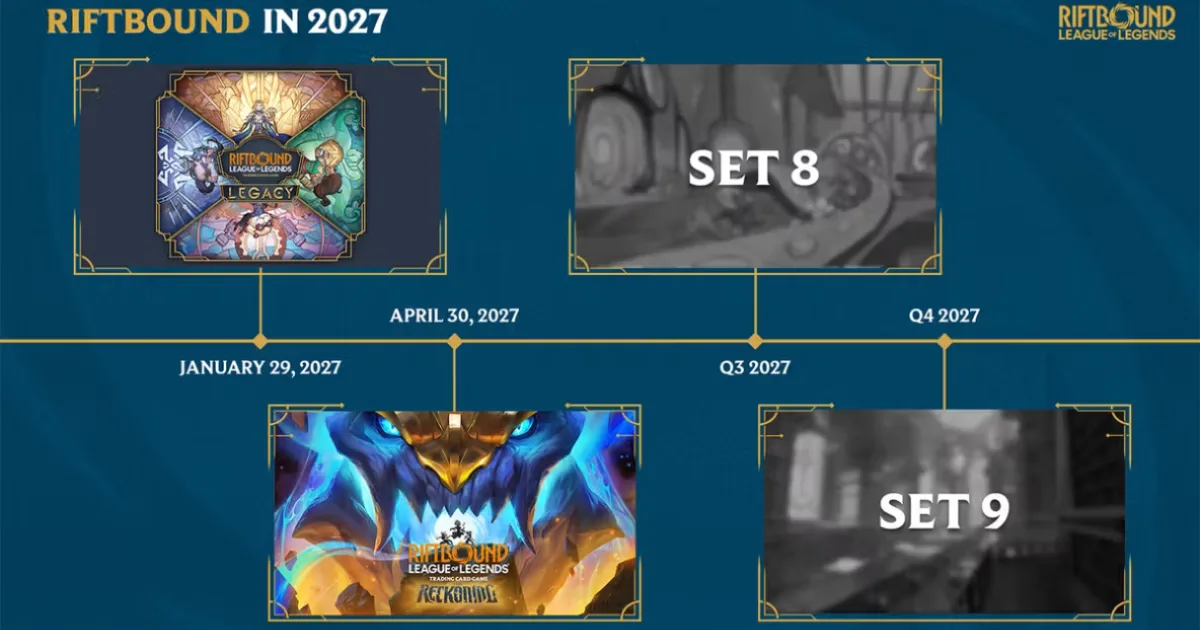
None of these changes are official yet. Selected tournaments will test the proposals during the Radiance season, with Riot expected to announce its decision in the patch notes for Riftbound's sixth set, Legacy, arriving January 29, 2027.
What are the new Riftbound going-second rules being tested?
Riftbound's proposed going-second rules would give the second player one additional benefit alongside their existing three-Rune opening. Riot is testing three alternatives: one starting point, one extra card draw, or Predict 1 before the first draw. Only one bonus will apply at each designated playtest event.
Under the current rules, the player going first channels two Runes and draws one card during their opening turn. The player going second channels three Runes and draws one card. Riot believes that extra Rune is not enough to compensate for the first player's advantage.
The official Riftbound playtest announcement outlines three approaches intended to address the imbalance.
| Proposed bonus | What changes for the second player | Why Riot is testing it |
|---|---|---|
| Start at 1 point | Begin the game with one point already scored. | Compensate for the first player's earlier scoring opportunities. |
| Draw an extra card | Draw two cards instead of one during the opening turn. | Increase available resources and improve access to useful cards. |
| Predict 1 | Use Predict 1 before the first draw. | Improve opening card selection without adding another card to hand. |
Event staff will announce which version is being tested before play begins. Players will not choose between the three bonuses during a match.
How each proposed going-second bonus could affect Riftbound
1. Starting with one point
The most substantial proposal gives the second player a point before either player takes a turn.
That matters because Riftbound is built around capturing and holding Battlefields to score points. In a standard one-on-one game, a player normally needs eight points to win, meaning a one-point head start is a significant change to the scoring race.
The first player would still have the opportunity to establish units and contest Battlefields earlier. Their opponent, however, would begin with a measurable scoring advantage.
Riot considers this the most extreme of the three experiments because it directly affects the game's victory system rather than the cards or resources available to a player.
It is also potentially the most straightforward way to address the problem. If going first provides more opportunities to score, giving the second player a point could help compensate without changing how cards function.
Whether one point provides the right amount of compensation remains unproven. The playtests will help establish how much it actually affects results.
2. Drawing an extra card
The second experiment adds another card to the second player's first-turn draw.
Instead of drawing the usual single card, the second player would draw two. Combined with channeling three Runes, that gives them more resources to work with after their opponent's opening turn.
An additional card can make it easier to find an early unit, a useful spell, or another piece needed for a particular strategy. It also gives the second player more material in games where both opponents gradually use up their hands.
Riot previously considered removing the first player's opening draw instead. The developer decided against that approach because it could have a larger impact on deckbuilding decisions.
Giving the second player another card preserves the first player's normal opening while attempting to strengthen the weaker turn position.
3. Using Predict 1 before the first draw
The third proposal takes a more restrained approach by improving card selection rather than increasing hand size.
Predict 1 allows a player to examine the top card of their Main Deck and decide whether to keep it there or recycle it to the bottom of the deck. Using this ability immediately before drawing gives the second player greater control over the card they are about to receive.
The timing is important. By the time the second player makes that decision, they have already seen the opponent's first turn and both revealed Battlefields. That information can help them assess whether the top card is useful for the developing match.
Riot views Predict 1 as a softer alternative to drawing an additional card. It could be enough to improve the second player's position if the extra-card experiment proves too powerful.
Why going first is currently an advantage in Riftbound
Riftbound's scoring system creates a natural advantage for the player who acts first. That player can begin developing their board and contesting Battlefields before their opponent has taken a turn.
Controlling Battlefields matters because points are earned by conquering them and maintaining control. An early position can therefore create opportunities to score before the opposing player has fully established their own units.
The existing three-Rune opening for the second player was designed to offset some of that tempo advantage, but Riot's match data suggests it has not gone far enough.
Riot has not publicly disclosed the exact current win-rate difference between the two positions in its October 15 announcement. It has only confirmed that the first player's win rate is higher than desired and identified an approximately equal split as the target.
That is why the experiments focus on three different types of compensation. A starting point addresses scoring directly, an additional card increases resources, and Predict 1 improves the quality of the second player's opening draw.
Each could help different strategies in different ways. A bonus that improves overall win rates could still favor particular deck styles, making large-scale testing valuable before introducing a permanent rule.
Battlefield selection and sideboarding are changing too
The experimental rules also change when players decide who goes first and when their Battlefields become visible.
Under the proposed procedure, turn order is decided before Battlefield selection. Players then select or determine their Battlefields, make any applicable sideboarding decisions, and reveal the Battlefields afterward.
The key distinction is that players will know their own Battlefield and their turn position before sideboarding, but they will not know which Battlefield their opponent has selected.

New best-of-three setup procedure
In best-of-three matches, the experiment changes the opening sequence to the following:
- Determine which player will go first and which will go second.
- Select Battlefields and place them facedown.
- Sideboard, if playing the second or third game of the match.
- Reveal both Battlefields.
- Complete mulligans.
- The first player channels two Runes and draws one card on their first turn.
- The second player channels three Runes and receives the designated experimental bonus on their first turn.
This lets players make their Battlefield choices knowing their turn position, including in later games of a match. It removes the uncertainty of preparing for a game before knowing whether the opponent will choose to go first or second.
New best-of-one setup procedure
Best-of-one matches follow a similar sequence, but Battlefield selection remains random.
- Determine who goes first and second.
- Randomly select the Battlefields.
- Privately examine your own selected Battlefield without showing your opponent.
- Complete sideboarding.
- Reveal both Battlefields.
- Complete mulligans.
- The first player channels two Runes and draws one card on their first turn.
- The second player channels three Runes and receives the event's experimental bonus on their first turn.
The ability to privately view your own Battlefield before sideboarding is a notable addition to best-of-one play. Players can make decisions with more information about their own game plan while the opponent's Battlefield remains hidden.
These changes also bring the setup procedures for best-of-one and best-of-three closer together.
How the current opening sequence works
Riot's official gameplay tutorial provides a demonstration of Riftbound's core mechanics, including Battlefields, Runes, opening setup, and turn progression. It was released before the October 2026 experiments and does not demonstrate the proposed new rules.
The tutorial's board setup section begins around 12:35, followed by an explanation of turn structure. Those fundamentals remain useful for understanding why Riot wants to change the opening procedure, although players attending authorized playtests should follow the specific instructions provided by tournament officials.
Which Riftbound tournaments will test the new rules?
Riot plans to test the adjustments at selected organized play events worldwide during the Radiance season, rather than immediately introducing them across the competitive circuit.
The confirmed testing plans include:
- China: City Tournaments during the Radiance season.
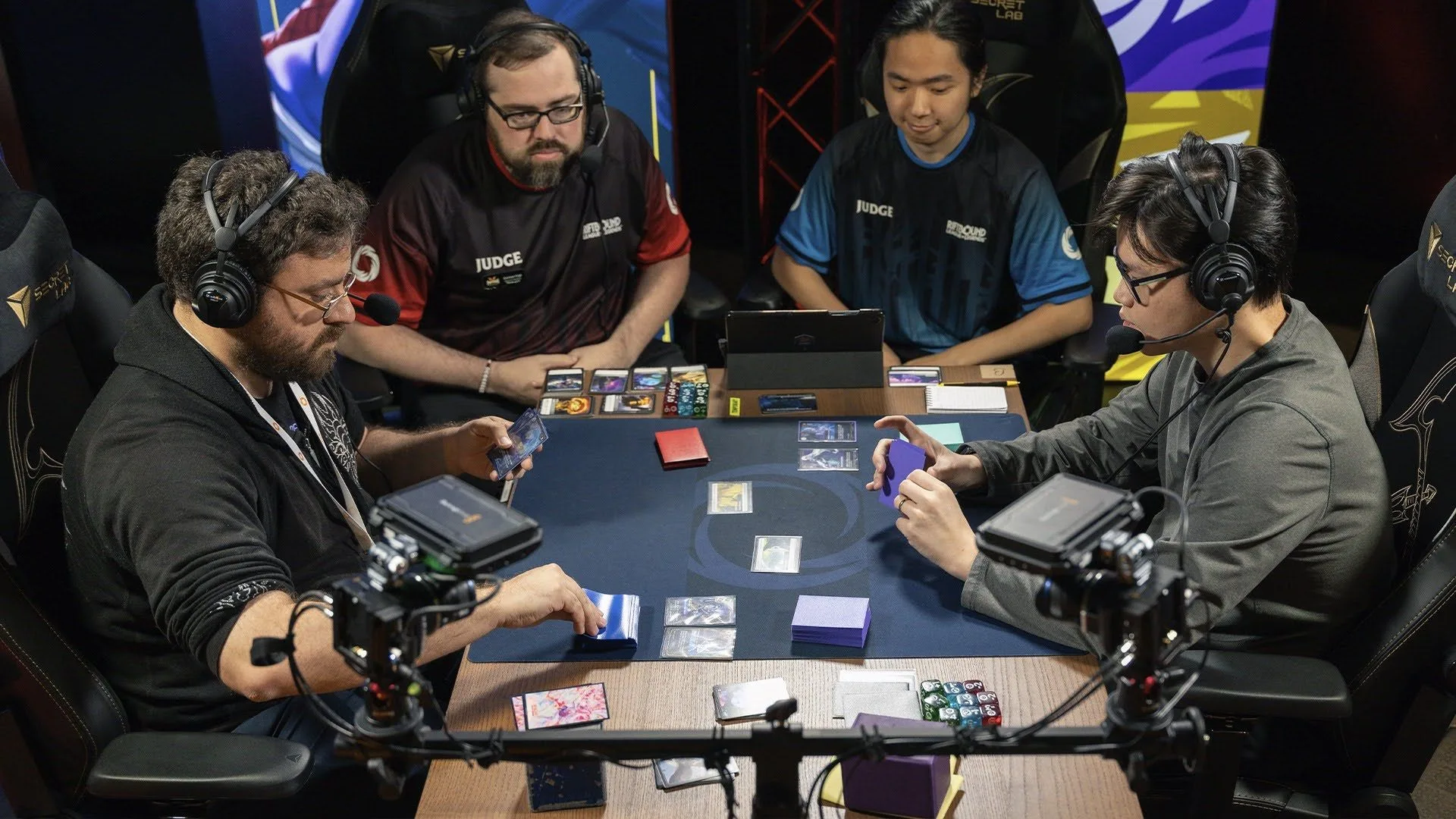
- Germany: Friday and Sunday Standard Challenges at the European Regional Championship in Stuttgart, on November 6 and November 8, 2026.
The Stuttgart events are particularly important because they take place alongside one of Riftbound's biggest European competitive weekends. The European Regional Championship runs from November 6 to November 8 at Messe Stuttgart in Germany.
However, the Friday and Sunday Standard Challenges are separate from the championship's main competition. The experimental rules are not being introduced into the main Regional Championship bracket.
Riot intends to coordinate with tournament officials and communicate the rules used at each participating event before matches begin.
Do players need to follow the experimental rules now?
No. Riftbound's new going-second bonuses are not mandatory for regular matches, Nexus Nights, or standard organized play. They apply only to events specifically participating in Riot's testing program.
Skirmishes, Showdowns, and other higher Organized Play Level events should not adopt the proposed changes unless their tournament organizers receive direct authorization.
Players are welcome to experiment with the bonuses during casual matches or local practice sessions. Riot has encouraged community feedback and will monitor discussions as testing continues.
For competitive events outside the playtests, existing Riftbound rules and gameplay procedures remain the standard. Official documents are also available through the Riot Games Riftbound support hub and the game's official Rules Hub.
This distinction is important because Riftbound already has official rules updates associated with Radiance. Those updates are separate from the experimental first-player and second-player balance changes announced on October 15.
How Riot will decide which Riftbound rule works best
Riot wants a larger sample of competitive games before committing to a change that could affect every deck and every tournament.
Testing at organized play events allows the developer to compare outcomes across more matches than a small internal testing group could provide. The main statistical question is whether a particular bonus brings first-player and second-player win rates closer together.
Win rates are not the only consideration. Riot has also emphasized the importance of how the changes feel in real matches.
That difference could be decisive. An extra card might produce balanced results but change how decks approach longer games. Starting with a point might create a fairer scoring race while also altering the pressure on the first player. Predict 1 could be less disruptive but might not offer enough compensation.
These are potential outcomes rather than confirmed findings. Riot has not announced which solution is performing best, and no final rule has been selected.
When will Riftbound's new going-second rules become official?
Riot plans to review the results of the Radiance season tests before making a decision ahead of Riftbound: Legacy, the game's sixth main expansion.
Legacy is scheduled for January 29, 2027, with Pre-Rift events planned for January 22 to January 28. The official 2027 product and set roadmap confirms those dates.
The decision about going-second bonuses is expected to appear in the Legacy patch notes, along with Riot's findings and its reasoning. That announcement could introduce a permanent change, but it could also confirm that no adjustment will be made.

Legacy is also expected to introduce a broader overhaul of the game's rules documentation and card text templating. That project is separate from the competitive balance experiments, although both are intended to improve the overall playing experience.
With Radiance releasing on October 23, 2026, the next few months will give Riot an opportunity to gather tournament results and player feedback before finalizing the Legacy rules.
Players following the next expansion can check the Riftbound release dates and upcoming sets for the latest launch schedule, while additional tournament and rules developments will be covered in Riftbound news.
Frequently asked questions about Riftbound going-second rules
What are the three new Riftbound going-second bonuses?
Riot is testing three possible bonuses: starting with one point, drawing an additional card on the first turn, or using Predict 1 before the first draw. Each is intended to compensate for the advantage of going first.
Are the new going-second rules officially active?
No. As of October 18, 2026, the bonuses are experimental and are only authorized for selected playtest events. They have not been added to the standard Riftbound ruleset.
Does the second player get all three bonuses?
No. Only one experimental bonus is used at a participating event. Tournament staff will announce whether players are testing the starting point, additional card, or Predict 1 option.
Does the second player still channel three Runes?
Yes. All three proposals preserve the existing three-Rune opening for the second player. The tested bonus is an additional benefit rather than a replacement for that Rune advantage.
How does Predict 1 work in Riftbound?
Predict 1 lets a player look at the top card of their Main Deck and choose whether to leave it there or recycle it to the bottom. The experimental rule lets the second player use this ability before their first draw.
Are Battlefield and sideboarding rules changing?
Yes, during authorized playtests. Turn order will be decided before Battlefield selection, and players will know their own Battlefield and turn position before sideboarding. The opponent's Battlefield remains hidden until afterward.
Where can players test the new rules?
Confirmed testing plans include Radiance season City Tournaments in China and the Standard Challenges on November 6 and November 8 at the European Regional Championship in Stuttgart. Players can also try the proposals in casual games by agreement.
When will Riot make a final decision?
Riot expects to announce its decision in the Legacy patch notes, leading into the expansion's January 29, 2027 release. It has not committed to adopting any particular bonus or making a change at all.
Radiance playtests could shape Riftbound's competitive future
Riftbound's going-second experiments address one of the most important questions in competitive card games: how much advantage should a player gain simply by taking the first turn?
The three proposals offer noticeably different answers. One changes the starting score, another provides an additional card, and the third improves access to a useful draw. Combined with the revised Battlefield procedure, the tests could influence how competitive matches begin from the Legacy season onward.
For now, the existing rules remain in place outside designated events. The results from China and Stuttgart, followed by Riot's analysis of the Radiance season, will be the next important developments to watch.
Until the Legacy patch notes arrive, none of the three proposals should be treated as a confirmed permanent change. The coming months will determine whether going second in Riftbound receives a stronger opening advantage or whether Riot decides to keep the existing system.