The League of Legends Clash schedule 2026 includes 12 confirmed tournament weekends from January through December. Riot has scheduled six Summoner's Rift Clash events and six ARAM Clash events, with team formation opening on the Monday before each tournament weekend and brackets played on Saturday and Sunday.
The calendar covers the Demacia Cup, Ionia Cup, Noxus Cup, Ixtal Cup, Zaun Cup, The Void Cup, MSI Cup, Bilgewater Cup, Bandle City Cup, Piltover Cup, Worlds Clash, and Freljord Cup. That gives players one Clash weekend to plan around in every month of 2026.
Below, you will find the complete LoL Clash schedule 2026, team formation dates, lock-in rules, eligibility requirements, tournament format, tickets, Victory Points, exact Orb and Capsule rewards, ARAM information, scouting rules, and the most important things to check before your team locks in.
League of Legends Clash schedule 2026 at a glance
| Clash event | Mode | Season / Act | Team formation begins | Tournament days |
|---|---|---|---|---|
| Demacia Cup | Summoner's Rift | Season 1 Act 1 | January 19, 2026 | January 24-25, 2026 |
| Ionia Cup | ARAM | Season 1 Act 1 | February 16, 2026 | February 21-22, 2026 |
| Noxus Cup | Summoner's Rift | Season 1 Act 2 | March 16, 2026 | March 21-22, 2026 |
| Ixtal Cup | ARAM | Season 1 Act 2 | April 13, 2026 | April 18-19, 2026 |
| Zaun Cup | Summoner's Rift | Season 2 Act 1 | May 4, 2026 | May 9-10, 2026 |
| The Void Cup | ARAM | Season 2 Act 2 | June 15, 2026 | June 20-21, 2026 |
| MSI Cup | Summoner's Rift | Season 2 Act 2 | July 13, 2026 | July 18-19, 2026 |
| Bilgewater Cup | ARAM | Season 3 Act 1 | August 17, 2026 | August 22-23, 2026 |
| Bandle City Cup | Summoner's Rift | Season 3 Act 1 | September 14, 2026 | September 19-20, 2026 |
| Piltover Cup | ARAM | Season 3 Act 2 | October 12, 2026 | October 17-18, 2026 |
| Worlds Clash | Summoner's Rift | Season 3 Act 2 | November 16, 2026 | November 21-22, 2026 |
| Freljord Cup | ARAM | Season 3 Act 2 | December 14, 2026 | December 19-20, 2026 |
The full League of Legends Clash calendar runs from January through December, with an even split between traditional Summoner's Rift tournaments and ARAM Clash weekends.
Season 3 adds five tournaments to the schedule: the ARAM Bilgewater Cup in August, Bandle City Cup in September, ARAM Piltover Cup in October, Worlds Clash in November, and ARAM Freljord Cup in December.
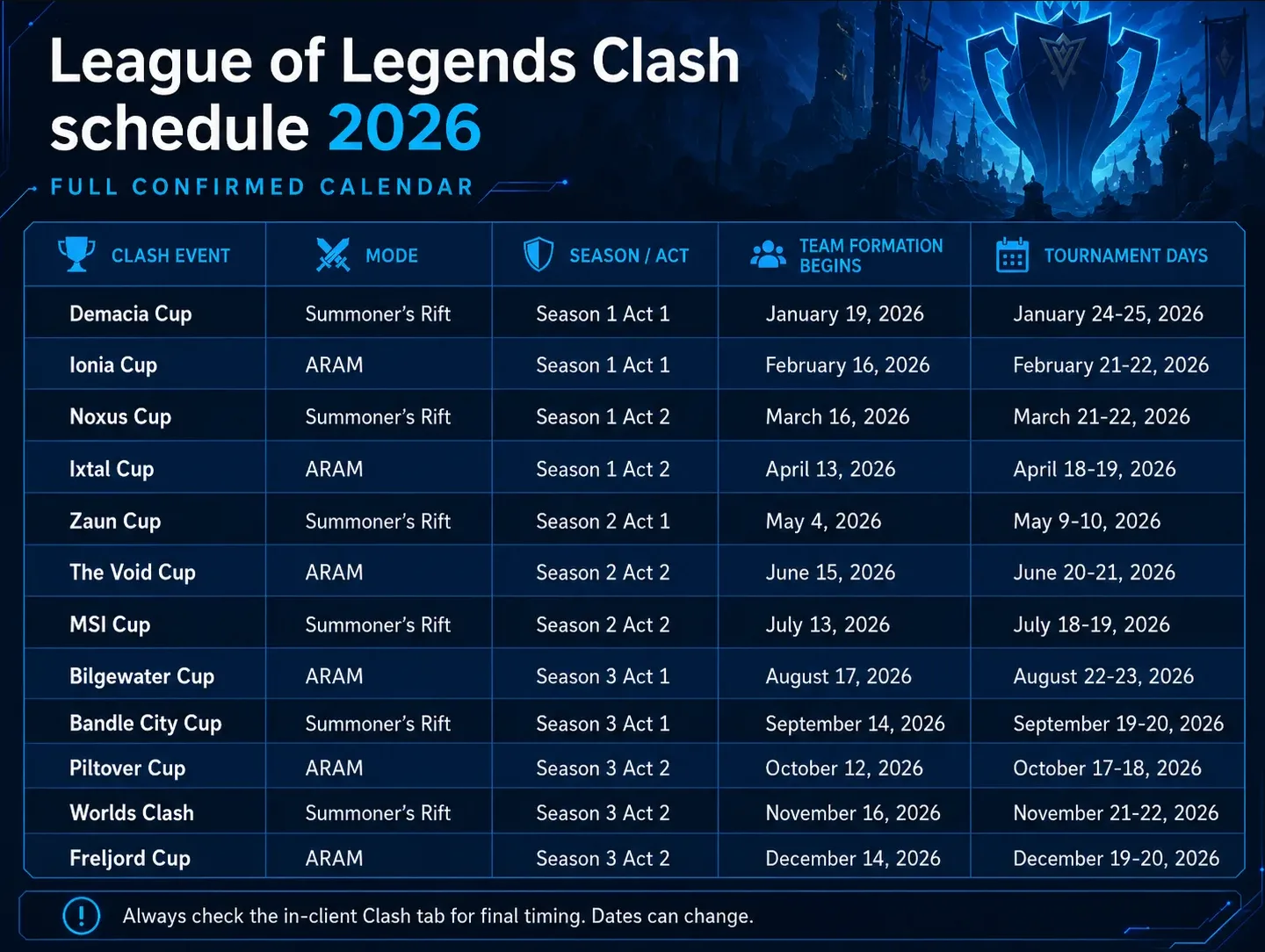
Riot notes that Clash dates can change, so use the calendar for planning and always confirm the final tournament date and regional lock-in time in the Clash tab inside the League client.
For changes that could affect your team before a tournament, check the latest League of Legends news and review the current LoL patch notes before settling on picks, bans, and practice plans.
What is Clash in League of Legends?
Clash is League of Legends' in-client tournament mode for premade teams of five. Instead of joining an ordinary queue, your team enters a structured tournament against teams around the same skill level and plays through an eight-team bracket.
Each Clash day can include up to three games. Win all three and your team wins the bracket, earning a tournament trophy and the strongest reward result for that day's run. A first-round loss does not have to end your evening because Clash also includes consolation games that can improve your final rewards.
- You need a complete team of five players.
- Team formation begins on the Monday of Clash week.
- Saturday and Sunday are separate tournament days.
- You can enter Saturday, Sunday, or both.
- Your team can enter only one Clash bracket per day.
- The standard bracket contains eight teams.
- The main bracket is single elimination.
- First-round losers can continue through consolation games.
- Rewards improve according to your tournament record.
For Riot's official rules, requirements, and tournament details, the League of Legends Clash FAQ should be your primary reference alongside the Clash tab in the client.
Riot's Clash explainer also gives new players a useful visual introduction to team creation, scouting, champion select, and the tournament flow. Some interface details may have changed since the video was published, so use the support page and client for specific rules.
Summoner's Rift vs ARAM Clash in 2026
The 2026 LoL Clash schedule is divided evenly between Summoner's Rift and ARAM. Six tournament weekends use the traditional competitive Summoner's Rift format, while six are dedicated ARAM Clash events.
The difference matters for more than the map. Summoner's Rift Clash has a ranked placement requirement, while Riot does not require ranked placements for ARAM or ARURF Clash.
Summoner's Rift Clash dates
- January 24-25: Demacia Cup
- March 21-22: Noxus Cup
- May 9-10: Zaun Cup
- July 18-19: MSI Cup
- September 19-20: Bandle City Cup
- November 21-22: Worlds Clash
ARAM Clash dates
- February 21-22: Ionia Cup
- April 18-19: Ixtal Cup
- June 20-21: The Void Cup
- August 22-23: Bilgewater Cup
- October 17-18: Piltover Cup
- December 19-20: Freljord Cup
Riot's Clash rules also cover ARURF Clash, including separate eligibility and Sudden Death details. However, Riot's published 2026 schedule does not include an ARURF Clash weekend.
League of Legends Clash lock-in times explained
There is no single worldwide LoL Clash lock-in time. Exact clock times depend on your region, while your team's tier determines when you are allowed to enter during that region's lock-in window.
| Tier | When lock-in opens | Maximum lock-in window |
|---|---|---|
| Tier IV | At the beginning of the two-hour window | Up to 2 hours |
| Tier III | 30 minutes after Tier IV | Up to 1.5 hours |
| Tier II | 30 minutes after Tier III | Up to 1 hour |
| Tier I | During the final 30 minutes | Up to 30 minutes |
Tier IV teams receive the longest lock-in opportunity. Tier III opens half an hour later, Tier II another half hour after that, and Tier I teams enter only during the final 30 minutes.
That structure is designed to help Riot build suitable brackets across the different skill tiers. It also means that a lock-in time posted for another region or tier may be completely wrong for your team.
SEA Clash lock-in times
Riot uses a different lock-in structure in Southeast Asia. In SEA regions, all tiers can lock in one hour before Clash begins.
How to avoid missing Clash lock-in
- Have all five players online before your tier's window begins.
- Open the Clash tab early and check the regional timer shown there.
- Finish SMS verification well before tournament day.
- Check ranked eligibility if you are entering Summoner's Rift Clash.
- Make sure every player has submitted a Basic or Premium Ticket.
- Download client updates before the lock-in window.
- Do not rely on a lock-in time copied from another server.
If login, queue, or client problems appear around tournament time, check LoL server status before assuming the problem is limited to your computer or connection.
Clash bracket format and tournament-day rules
One bracket per day
Each Clash day is its own tournament. Your team can enter one bracket per day, and once the bracket begins that roster is locked together for the duration of the run.
Saturday and Sunday are independent. You can play only Saturday, only Sunday, or enter on both days. A team that plays Saturday can return on Sunday with the same lineup or form a different eligible roster.
How the eight-team bracket works
Clash places your team into an eight-team bracket against teams at a similar skill level. A perfect run requires three wins. The main side of the bracket is single elimination, but losing your first game does not immediately remove you from the tournament.
The consolation bracket still matters
Teams that lose their opening game move into a consolation path where they face other first-round losers. Those matches are worth playing because your Clash Orb or Capsule depends on your total win-loss record.
A team that starts 0-1 can therefore keep playing, collect additional wins, and finish with better rewards than a team that simply gives up after the opening loss.
Scouting before the match
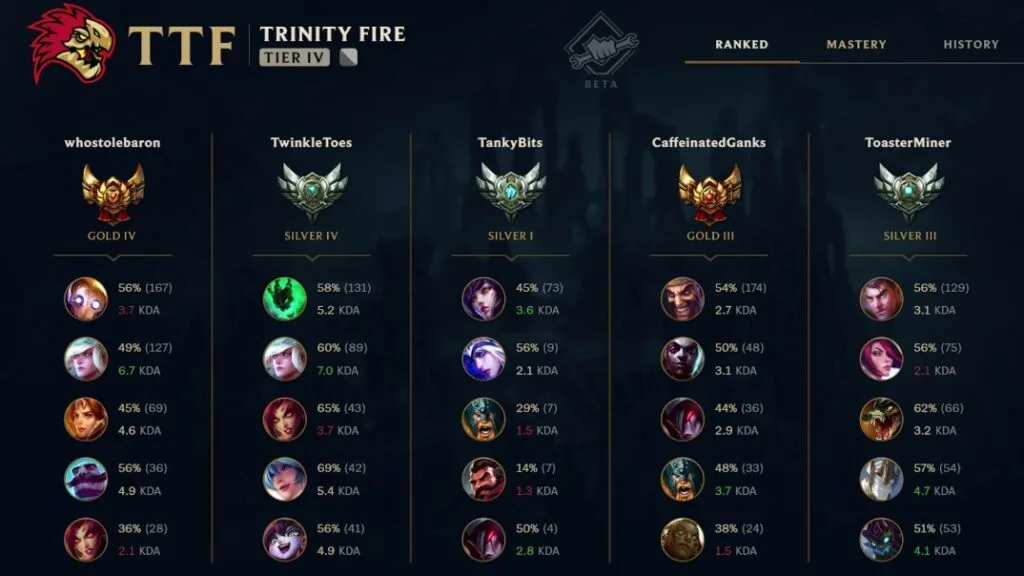
Before champion select, Clash provides a scouting page with information about the opposing team. Riot says this can include opponents' ranked win rates, KDAs on commonly played champions, high-mastery champions, and previous Clash data.
Use it to identify genuine comfort picks and narrow champion pools rather than simply banning whatever is strongest on the patch. If one player clearly relies on two champions, scouting gives you a chance to force that player onto something less familiar.
Clash champion select rules
Summoner's Rift Clash uses the competitive draft structure familiar from organized League, with two ban phases and two pick phases. The team captain controls the bans for the roster.
All champions are unlocked for Clash draft, so players do not need to own every champion they may want to select or trade.
There is also an important difference from ordinary champion select: failing to declare or hover a champion can cause Clash to lock in a random champion. Hovering gives the client a preferred champion to select where possible.
Sudden Death in Clash
Clash includes a Sudden Death system so one extremely long match cannot hold up an entire tournament bracket.
After 60 minutes, towers become more fragile and easier to destroy. Five minutes later, structures begin damaging themselves at a fixed rate. The process moves through towers, inhibitors, nexus turrets, and finally the nexus. After another five minutes, one team will have won.
For ARURF Clash, Riot lists the first Sudden Death threshold at 40 minutes rather than 60 minutes.
Are /pause and /remake available in Clash?
No. Riot disables both /pause and /remake in Clash. Tournament brackets need to keep moving, so teams should deal with client updates, hardware problems, audio issues, and connection checks before locking in.
How team formation works in the 2026 Clash calendar
Team formation begins on the Monday before each Clash weekend. The dates are listed in the main schedule table above, giving teams several days to finalize their roster and make sure everyone is eligible.
Summoner's Rift Clash requirements
To create or join a Summoner's Rift Clash team, Riot lists the following requirements:
- Reach account level 30 or higher.
- Complete placements in at least one Summoner's Rift ranked queue during the current year or the previous year. For the 2026 calendar, that means 2026 or 2025.
- Verify the League account through Clash SMS verification.
- Join a complete five-player team.
- Submit at least one Clash Ticket per player before entering the tournament.
ARAM and ARURF Clash requirements
ARAM Clash and ARURF Clash still require account level 30 and SMS verification, but Riot does not require ranked placements for those modes.
That makes ARAM Clash easier to enter for groups that mainly play Howling Abyss, returning players without recent ranked games, and friends who simply do not want to complete Summoner's Rift placements.
What does the Clash captain do?
Every Clash team has a captain. The captain can invite or remove players and handles the core team setup for the tournament weekend.
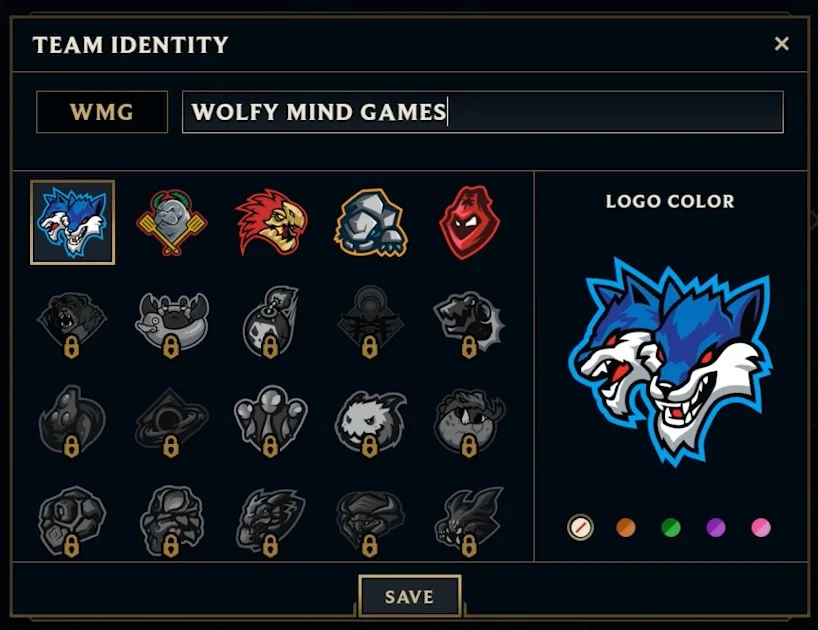
Inside the Clash tab, the captain chooses the team's name, logo, and tag. If more than one player on the roster owns the same team logo, the team can unlock chromas for that logo.
If your group runs into account, client, or verification problems while setting up the roster, our League of Legends troubleshooting guides can help you deal with them before lock-in.
Clash SMS verification and anti-smurfing rules
SMS verification is required to participate in Clash. Riot uses it as an anti-smurfing measure designed to make it harder for the same player to move freely between multiple tournament accounts.
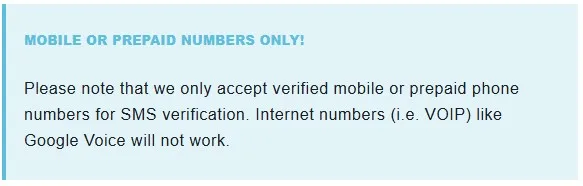
- Only valid mobile or prepaid phone numbers are accepted.
- Internet and VOIP numbers such as Google Voice do not work.
- You need to enter the correct country code with your phone number.
- Riot allows only one account per phone number.
- You can complete verification through the Clash tab.
- Riot sends a verification code by text message to confirm the number.
- Repeatedly entering the wrong code can temporarily interfere with verification.
What happens if you unlink your Clash phone number?
Riot's dedicated SMS verification page says that unlinking a phone number starts a six-month waiting period before that number can be linked to another account. Riot also says the number can be relinked to the same account during that period.
This distinction matters if you accidentally verified the wrong League account. Riot warns that support cannot simply move the number for you, so switching it to another account may mean waiting six months.
Clash smurfing rules
Riot takes smurfing seriously in Clash because the tournament depends on teams being matched at an appropriate skill level. If you use several League accounts, Riot's SMS guidance says you should use your highest-ranked account for Clash verification.
Riot can remove Clash-specific rewards and restrict accounts from future tournaments when its anti-smurfing rules are broken. Teammate rewards can also be affected if Riot determines that a team benefited from a matchmaking imbalance caused by smurfing.
Is there an Honor Level requirement for Clash?
Riot's main Clash FAQ says there is no general Honor Level restriction for Clash. However, Riot's separate SMS verification FAQ contains an anti-smurfing answer that refers to the highest-ranked account needing Honor Level 2. Because those two official support pages do not fully agree on this edge case, players who are blocked because of Honor should follow the eligibility shown in the League client or contact Riot Support.
For account-specific details, see Riot's Clash SMS verification guide.
How Clash placement and matchmaking tiers work
Clash uses four matchmaking tiers, from Tier IV at the lower end to Tier I at the highest. These tiers help separate tournaments by skill level and also determine when teams can lock in.
Riot says Clash placement uses your previous season's Clash MMR when that information is available. If you have never played Clash before or did not play during the previous season, Ranked MMR is used as the fallback for placement.
Team tier is then calculated from the roster. It is not a simple average because Riot places extra weight on the strongest players in the group.
- Tier I is the highest Clash tier.
- Tier IV is the lowest Clash tier.
- The tier distribution is bottom-weighted, so there are more teams in Tier IV than Tier I.
- Your team tier can change when players are added or removed.
- Higher-skilled players have more influence on the team's final tier.
- A roster with a large skill gap may receive a mixed-skill warning.
- Teams from different tiers do not meet each other during the same Clash weekend.
This is why stacking one very highly ranked player with four much lower-ranked teammates does not necessarily produce an easy bracket. The strongest player can pull the team upward, making the overall tournament tougher than some members of the roster expect.
Clash Tickets, trophies, Victory Points, and rewards
Every player needs a Ticket to enter Clash. Players can choose between a Basic Ticket and a Premium Ticket. The tournament itself does not become easier or harder based on your Ticket. The difference is the reward pool attached to your individual entry.
Ticket choice is personal, so teammates on the same roster can use different Ticket types and receive different reward tracks after the tournament.
Basic Ticket vs Premium Ticket
| Ticket type | Entry | Reward track |
|---|---|---|
| Basic Ticket | Standard Clash entry | Clash Orb reward pool |
| Premium Ticket | Same tournament bracket | Upgraded Clash Capsule reward pool |
Once the full team locks in and your Basic or Premium Ticket has been set, that entry choice cannot be changed for the bracket.
How to get Clash Tickets
Riot lists several ways to get Clash Tickets: missions, another teammate, or the store. Every two tournaments, once per theme, completing the relevant Clash mission can unlock a Ticket.
A teammate can also offer a Ticket to another player on the roster. In the store, Basic Tickets can be purchased with Blue Essence or RP, while Premium Tickets cost more RP in exchange for the upgraded prize pool.
What rewards can you get from Clash?
Clash rewards are built around four main systems:
- Trophies for winning a bracket.
- Victory Points used to unlock banners and theme logos.
- Clash Orbs tied to Basic Ticket entries.
- Clash Capsules tied to Premium Ticket entries.
Clash trophies
Winning an eight-team bracket earns a trophy themed around that Clash tournament. Riot says your highest-level trophy appears at the nexus in Summoner's Rift games for two weeks after the tournament ends.
Trophies from the active season are also displayed on your profile page.
Victory Points and banner rewards
Every Clash win awards 400 Victory Points. VP progresses your account through a reward track containing banners and theme logos.
| Victory Points | Reward |
|---|---|
| 400 VP | Banner Level 1 |
| 600 VP | Theme Logo 1 |
| 1000 VP | Banner Level 2 |
| 1400 VP | Banner Level 3 |
| 2000 VP | Theme Logo 2 |
Higher-tier teams can also earn a bonus on the first win of each Clash day.
| Tier | First-win VP bonus |
|---|---|
| Tier I | 150 VP for the first win of each Clash day |
| Tier II | 100 VP for the first win of each Clash day |
| Tier III | 50 VP for the first win of each Clash day |
| Tier IV | No first-win bonus |
The first-win bonus can be earned once per Clash day, so a player entering both Saturday and Sunday has another opportunity to earn it on the second day.
Do Clash Victory Points carry over?
Victory Points do not carry beyond their Clash theme. Riot automatically grants rewards when you reach the required thresholds, and unlocked cosmetics remain yours after the VP resets.
Banner frames can also improve as you collect banners. Riot says the Flag Count resets each Act.
| Flag count | Banner frame level |
|---|---|
| Default | Level 1 |
| 2 | Level 2 |
| 3 | Level 3 |
| 4 | Level 4 |
| 5 | Level 5 |
Exact Clash Orb and Capsule rewards
Every player who enters Clash receives a Clash Orb or Clash Capsule when their bracket run ends. The reward is determined by the player's Ticket type and the team's total number of wins and losses during the tournament.
This is one of the main reasons to keep playing after an early loss. A consolation win can move your account into a better reward tier.
Basic Ticket Clash Orb rewards
| Record | Basic Ticket Orb rewards |
|---|---|
| 0 wins, 3 losses | 3 Win XP Boost, 1 Clash Logo, 1 Mystery Icon |
| 1 win, 2 losses | 1 Mystery Emote, 1 Clash Logo, 640 Ward Skin Shard |
| 2 wins, 1 loss | 1 Mystery Emote, 1 Mystery Icon, 1 Clash Logo, 640 Ward Skin Shard, 975 Skin Shard, 1 Basic Ticket |
| 3 wins, 0 losses | 1 Mystery Emote, 1 Mystery Icon, 1 Clash Logo, 1 Chibi Icon, 640 Ward Skin Shard, 975 Skin Shard, 1350 Skin Shard, 1 Basic Ticket |
Premium Ticket Clash Capsule rewards
| Record | Premium Ticket Capsule rewards |
|---|---|
| 0 wins, 3 losses | 1 Basic Ticket, 500 Orange Essence, 750 Skin Shard, 1 Logo |
| 1 win, 2 losses | 1 Basic Ticket, 500 Orange Essence, 750 Skin Shard, 975 Skin Shard, 1350 Skin Shard, 1 Logo |
| 2 wins, 1 loss | 1 Basic Ticket, 750 Orange Essence, 750 Skin Shard, 975 Skin Shard, 1350 Skin Shard, 1820 Skin Shard, 1 Logo |
| 3 wins, 0 losses | 1 Basic Ticket, 750 Orange Essence, 750 Skin Shard, 975 Skin Shard, 1350 Skin Shard, 1820 Skin Shard, 1 Chibi Icon, 10 Mythic Essence, 1350 Skin, 1 Logo |
The Premium Ticket does not give your team an advantage inside the bracket. It simply changes the reward pool attached to that player's tournament entry.
If you want to follow the professional side of League around Clash weekends, our League of Legends esports coverage can also provide useful context for champion priorities, drafts, and broader meta trends.
The video below shows an example of opening a first-place Premium Clash Capsule. Loot systems can change, so use Riot's reward tables above rather than an older video when checking exact contents.
How to prepare for a LoL Clash weekend
Knowing the League of Legends Clash schedule 2026 gets everyone into the same place at the same time. Winning consistently takes a little more work.
Clash rewards teams that arrive with a basic plan. You do not need professional-level preparation, but deciding on roles, champion pools, draft priorities, and communication before lock-in is much better than trying to solve everything during scouting.
Build around comfort and one clear style
Pick a simple identity for your team. Front-to-back teamfighting, hard engage, dive, pick, split pressure, and poke all ask different things from the draft.
A straightforward composition that all five players understand is usually more useful than five individually strong champions that want to play the game in completely different ways.
Prepare backup champions
Clash scouting makes one-tricks much easier to target than in normal solo queue. If an opponent can see that your top laner overwhelmingly plays one champion, you should expect that champion to attract attention during bans.
Every player should have at least one comfortable fallback. Two or three realistic options per role make your draft much harder to disrupt.
Use the scouting phase properly
Do not turn scouting into five people reading random statistics out loud. Decide what you actually want to learn: obvious one-tricks, champions with a very high play rate, flexible players, unusual role swaps, and picks that could create problems for your planned composition.
Then use that information to build a short ban priority rather than trying to counter everything the opposing team has ever played.
Practice one or two drafts before the tournament
Even one organized five-stack session can expose draft problems before Clash. Work out which champions you are comfortable blind-picking, which roles need later picks, what happens when two comfort champions are banned, and whether you have useful flex picks.
Pro drafts make a good reference for this, a competitive LoL live stream match shows how teams order bans and hide flex picks around a small comfort pool.
Plan around lock-in, not just game time
A surprising number of Clash problems happen before anyone reaches champion select. One player has not patched the client. Another forgot SMS verification. Someone has no Ticket. A teammate disappears for dinner during the lock-in window.
- Confirm the five-player roster in advance.
- Check your regional lock-in time in the Clash tab.
- Finish SMS verification before tournament day.
- Check ranked eligibility for Summoner's Rift Clash.
- Make sure everyone has a Ticket ready.
- Agree on roles before scouting begins.
- Prepare at least one backup champion per player.
- Check microphones and voice chat before locking in.
This team-play breakdown is also useful for groups trying to move beyond normal solo queue habits and think more deliberately about coordinated five-player League.
Organized five-player League puts more value on draft planning, jungle tracking, planned early fights, target selection, objective setup, and clear mid-game calls than a typical solo queue game.
For community discussion, team-finding posts, unusual edge cases, and experiences from other Clash players, r/ClashLoL can be useful. For dates, eligibility, and official rules, Riot's support pages and the League client should take priority.
Clash support and common problems before lock-in
Most Clash support problems fall into a small number of categories: SMS verification, ranked eligibility, Tickets, unexpected team tiers, lock-in timing, missing teammates, and client or server issues.
- Player cannot join the team: check account level, SMS verification, and ranked requirements if it is a Summoner's Rift tournament.
- Phone verification fails: confirm that the number is mobile or prepaid, includes the country code, and is not VOIP.
- Phone number is already attached elsewhere: remember that Riot allows only one account per number and may impose a six-month wait before moving an unlinked number to another account.
- Team tier looks unexpectedly high: the strongest players receive extra weight in the team-tier calculation.
- Your lock-in time differs from a guide: trust the Clash tab for your region and tier.
- Ticket cannot be changed: your Ticket choice locks once the full team locks in.
- Client or login problems: check League server status and restart or update the client before the lock-in window closes.
Use Riot's Clash FAQ for tournament rules and Riot's SMS verification guide for phone-related problems.
You can also follow Riot's official Clash news page for announcements and use Riot Support when an account-specific issue cannot be solved through the client.
Frequently asked questions about the League of Legends Clash schedule 2026
What are all the League of Legends Clash dates in 2026?
The 12 confirmed Clash tournament weekends are January 24-25, February 21-22, March 21-22, April 18-19, May 9-10, June 20-21, July 18-19, August 22-23, September 19-20, October 17-18, November 21-22, and December 19-20, 2026.
How many Clash weekends are there in 2026?
Riot's 2026 calendar lists 12 Clash weekends, with one tournament scheduled in every month from January through December. Six use Summoner's Rift and six use ARAM.
When does team formation open for Clash?
Team formation opens on the Monday before each Clash weekend. The exact Monday for every 2026 tournament is listed in the schedule table at the top of this guide.
Do I need to be ranked to play Clash in 2026?
For Summoner's Rift Clash, you need placements in at least one Summoner's Rift ranked queue during the current year or previous year. For the 2026 calendar, that means 2026 or 2025. ARAM and ARURF Clash do not require ranked placements, although level 30 and SMS verification are still required.
What level do you need to be for Clash?
You need a League of Legends account at level 30 or higher to participate in Clash.
Do you need SMS verification for Clash?
Yes. Clash requires SMS verification using an eligible mobile or prepaid phone number. VOIP and internet-based numbers such as Google Voice are not accepted.
Can one phone number be used for multiple Clash accounts?
No. Riot's SMS verification rules allow one League account to be attached to a phone number for Clash verification.
Do I need Honor Level 2 to play Clash?
Riot's main Clash FAQ says there is no general Honor Level restriction. Its separate SMS verification page still contains an anti-smurfing answer referring to Honor Level 2 for the highest-ranked account. Because the official pages conflict on this specific situation, check your in-client eligibility or contact Riot Support if Honor prevents you from entering.
What are the League of Legends Clash lock-in times?
Lock-in is staggered by tier. Tier IV can enter throughout the full two-hour regional window, Tier III begins 30 minutes later, Tier II another 30 minutes after that, and Tier I can enter during the final 30 minutes. Exact clock times vary by region.
When does Clash lock-in start in SEA?
In SEA regions, Riot says all Clash tiers can lock in one hour before the tournament begins.
Can I play only one day of a Clash weekend?
Yes. Saturday and Sunday are separate tournament days. You can enter either day individually or play on both days.
Can I enter more than one Clash bracket per day?
No. A team can enter only one Clash bracket per day. Once the bracket begins, that team is locked together for the entire run.
Can I change my Clash team between Saturday and Sunday?
Yes. Because each day is a separate tournament, you can return on Sunday with the same team or create a different eligible lineup.
How many games do you play in Clash?
An eight-team Clash bracket can give your team up to three games in one day. Winning all three gives you a 3-0 record and the tournament trophy.
What happens if you lose the first Clash game?
You can continue in the consolation bracket against other teams that lost their first match. Those games can improve your total record and therefore your Orb or Capsule rewards.
Are all champions unlocked in Clash?
Yes. Riot unlocks all champions for Clash draft, so champion ownership does not prevent a player from selecting a champion during the tournament.
Are /pause and /remake available in Clash?
No. Both /pause and /remake are disabled in Clash.
What happens if a Clash game lasts too long?
Clash uses Sudden Death. After 60 minutes, towers become easier to destroy. Five minutes later, structures begin damaging themselves in sequence until the match is forced toward a conclusion. Riot uses an earlier 40-minute starting point for ARURF Clash.
What rewards do you get from Clash?
Clash rewards can include trophies, Victory Points, banners, team logos, Orbs, Capsules, skin shards, Orange Essence, Tickets, icons, emotes, Mythic Essence, and other loot. The exact reward depends on your Ticket type and tournament record.
Are Clash rewards based on placement or wins?
Orb and Capsule rewards are based on your total wins and losses during the tournament. That means consolation matches can still improve your reward after a first-round defeat.
Is ARAM Clash part of the 2026 schedule?
Yes. Riot lists six ARAM Clash weekends in 2026: Ionia Cup in February, Ixtal Cup in April, The Void Cup in June, Bilgewater Cup in August, Piltover Cup in October, and Freljord Cup in December.
Is there an ARURF Clash in 2026?
No ARURF tournament appears on Riot's published 2026 Clash calendar. The Clash FAQ still includes ARURF-specific eligibility and Sudden Death rules for the mode.
Is the MSI Cup part of the 2026 Clash schedule?
Yes. The Summoner's Rift MSI Cup is scheduled for July 18-19, 2026, with team formation beginning on July 13.
Is there a Worlds Clash in 2026?
Yes. Riot lists Summoner's Rift Worlds Clash for November 21-22, 2026. Team formation is scheduled to begin on November 16.
When is the final Clash tournament of 2026?
The final event on Riot's published 2026 calendar is the ARAM Freljord Cup on December 19-20. Team formation begins on December 14.
Where should I check for Clash schedule updates?
Use Riot's official Clash FAQ for the published calendar and the Clash tab inside the League client for regional timing. Riot warns that tournament dates can change, so the in-client information should be your final check before locking in.
Plan your 2026 Clash weekends like a tournament team
The League of Legends Clash schedule 2026 runs from January through December, with 12 confirmed tournament weekends and an even split between Summoner's Rift and ARAM. With the entire calendar available, teams can plan rosters and practice well before each tournament instead of organizing everything at the last minute.
Use the schedule above to get all five players organized, then check your exact LoL Clash lock-in time in the client, finish SMS verification and ranked requirements early, make sure every player has a Ticket, and review the latest patch notes before settling on a draft plan.
If something looks wrong on tournament day, check server status, revisit our troubleshooting guides, and compare your account against Riot's official Clash requirements.
Clash works best when it feels different from another five-stack queue. A reliable roster, a sensible draft, a few backup champions, and clear communication can turn an ordinary Saturday or Sunday into the closest thing most League players get to playing their own organized tournament.