One of the latest Riftbound updates from Riot Games has delivered the game’s first-ever banlist, marking a major shift in how the competitive card game is being balanced. Introduced on March 30 and effective March 31, the sweeping changes remove seven elements from Standard Constructed play and signal a clear response to emerging tournament meta concerns.
First Riftbound banlist targets dominant decks
The headline change in this Riftbound update is the introduction of a banlist affecting both cards and battlefields. Four cards and three battlefields are now banned from all sanctioned constructed formats, though they remain playable in limited formats such as draft and sealed.
The banned cards are:
- Called Shot
- Draven, Vanquisher
- Fight or Flight
- Scrapheap
The banned battlefields are:
- The Dreaming Tree
- Obelisk of Power
- Reaver’s Row
Banned cards and abilities breakdown
The banlist focuses heavily on cards that enabled highly efficient draw engines and dominant early-game pressure. It also focus on non-interactive gameplay loops. Here is a breakdown of the banned cards and what made them problematic.
Image
Name of Card
Ability usage
Reason for ban
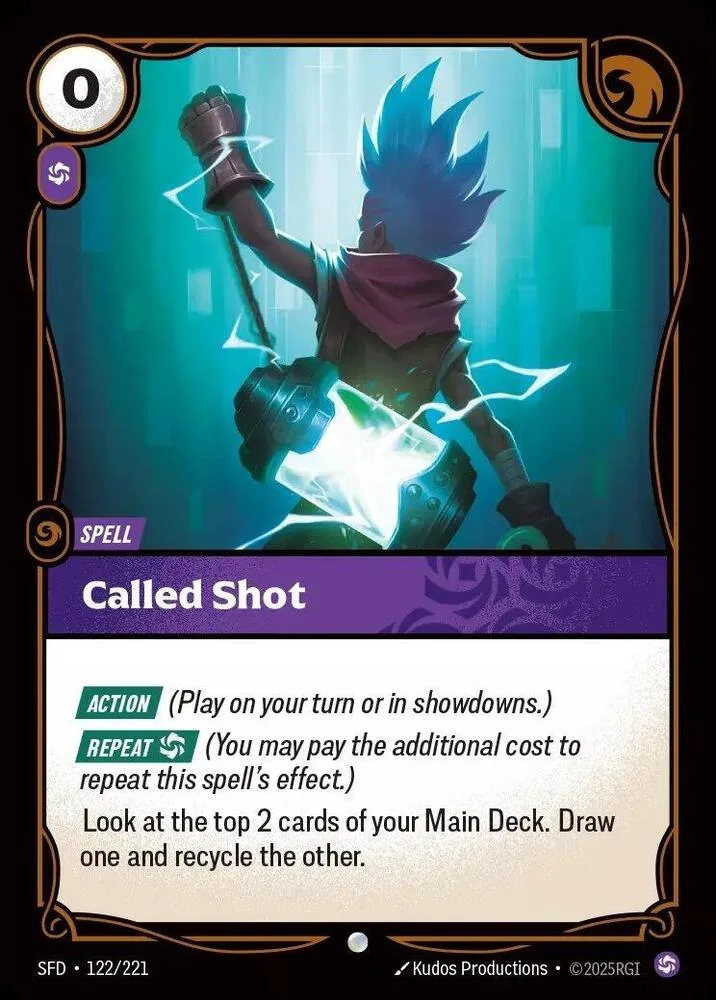
Called Shot
Efficient card filtering and draw engine enabling combo turns
Core enabler of “Miracle” decks that created long, non-interactive turns
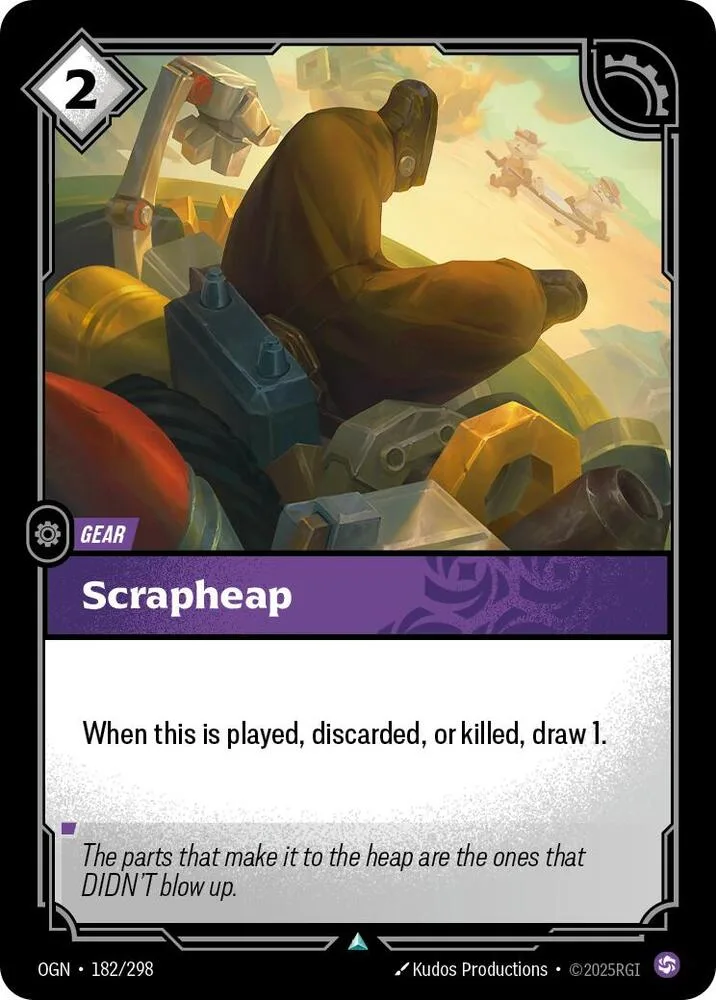
Scrapheap
Resource recycling and value generation through card cycling
Scaled too efficiently with draw engines, creating snowballing advantage
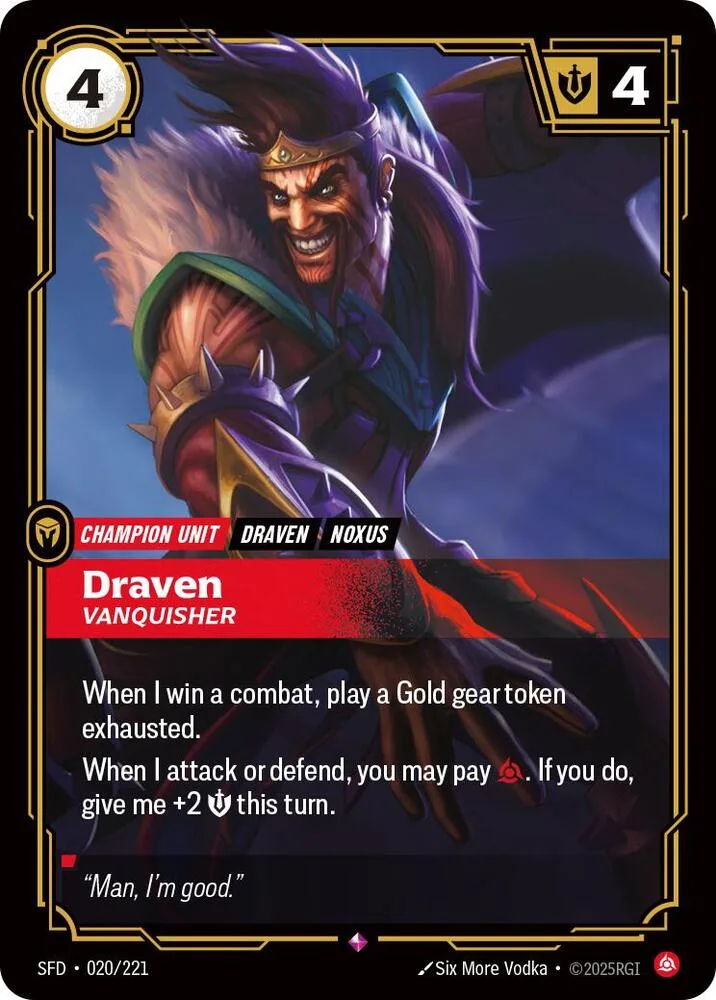
Draven, Vanquisher
Powerful early-game unit with strong synergy and pressure
Enabled overly consistent and dominant Draven midrange decks
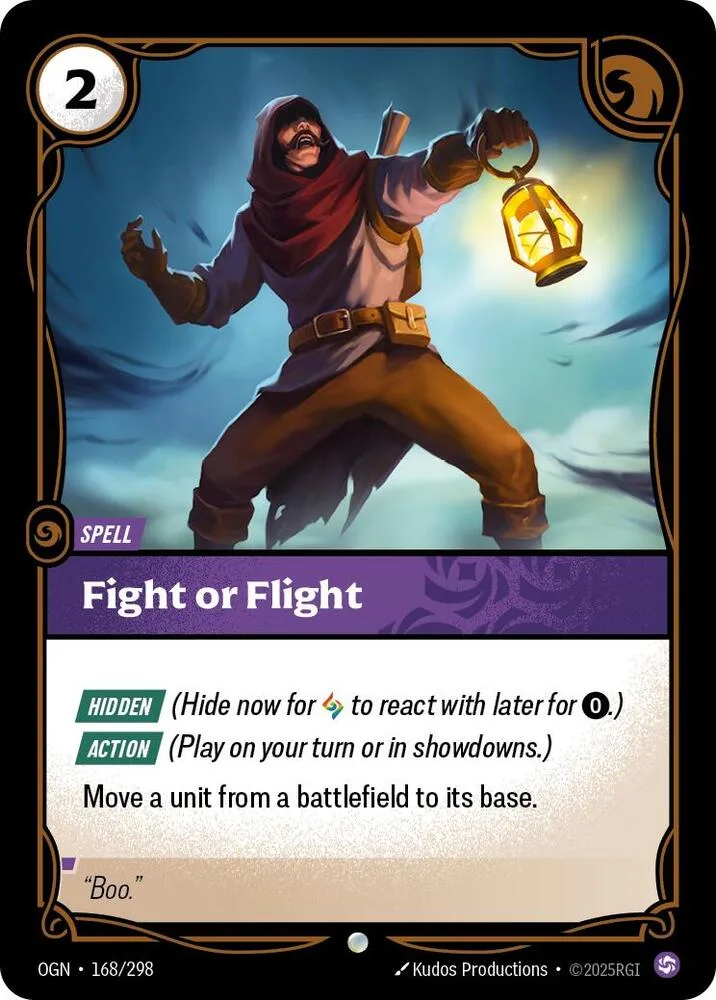
Fight or Flight
Flexible combat tool that can negate fights or protect units
Too versatile, crowding out other strategic options
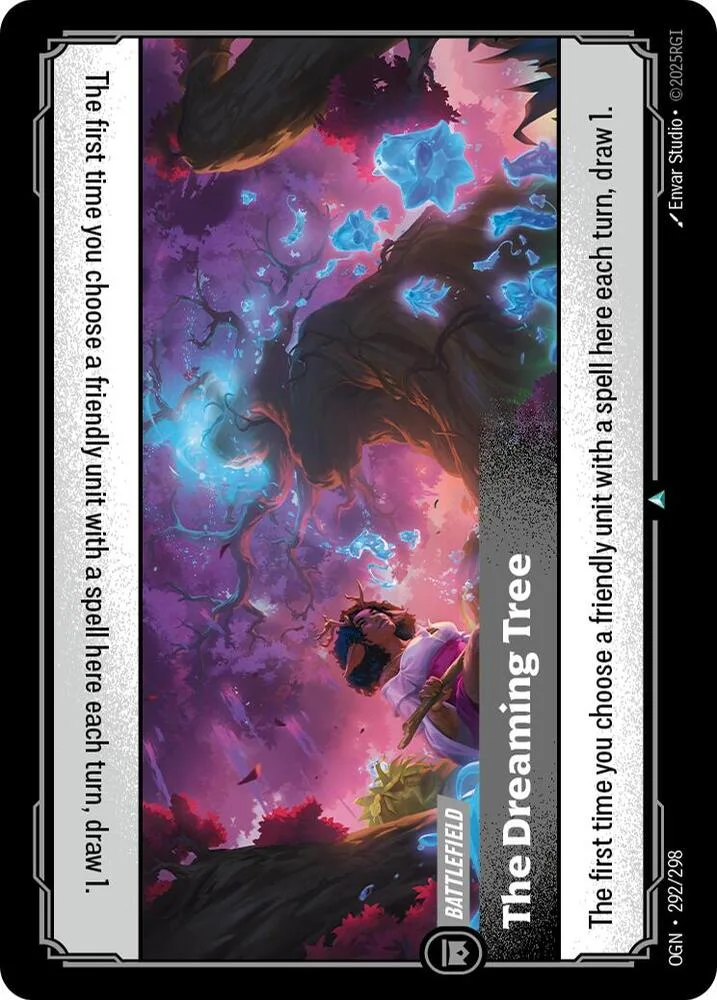
The Dreaming Tree
Card advantage engine that generates multiple options per turn
Overpowered draw consistency created uninteractive, grind-heavy games
Obelisk of Power
Board control tool providing repeated, scalable buffs to units
Excessive value snowballed games in favor of decks running it

Reavers Row
Aggressive, high-pressure unit chain enabling early dominance
Dominated tempo and limited counterplay, reducing strategic diversity
The banned cards in Riftbound are primarily tied to rules clarity, unintended interactions, and edge cases that became more apparent as the game evolved. Rather than being removed purely for power level reasons, most bans address how certain cards function within the rules system.
With the release of the Unleashed update, new mechanics like XP, Hunt, and Level introduced additional complexity. Some older cards were not originally designed to interact with these systems, leading to confusing or unintended gameplay outcomes.
Another major factor is the handling of dependent keywords and triggered abilities. Cards that relied on older templating, such as Legion or conditional reactions, often created ambiguity around when abilities could be activated or resolved. The updated rules aim to standardize these interactions, but certain cards could not be cleanly adapted without functional changes.
Edge cases involving the chain, replacement effects, and combat resolution also contributed to bans. In some scenarios, cards could create loops, illegal game states, or outcomes that the rules were not equipped to process consistently.
The developers have emphasized that these changes are not intended to rebalance card strength, but to make the game more intuitive and sustainable long term. As Riftbound continues to grow, fewer cards are expected to require this kind of intervention.
Why Riot introduced bans now
According to Riot, the banlist was introduced to correct unhealthy patterns in the competitive meta rather than to shake things up arbitrarily. Decks built around rapid draw engines, often referred to as “Miracle” decks, had become both highly dominant and time-consuming in tournament settings.
At the same time, Draven-based strategies consistently showed high win rates and limited counterplay. Instead of removing entire archetypes, the design team opted to ban key enablers to bring those decks back in line.
The broader philosophy remains focused on three factors: overrepresentation, long-term scaling risks, and negative gameplay experiences such as excessive turn length or lack of interaction.
Connection to upcoming Riftbound tournaments
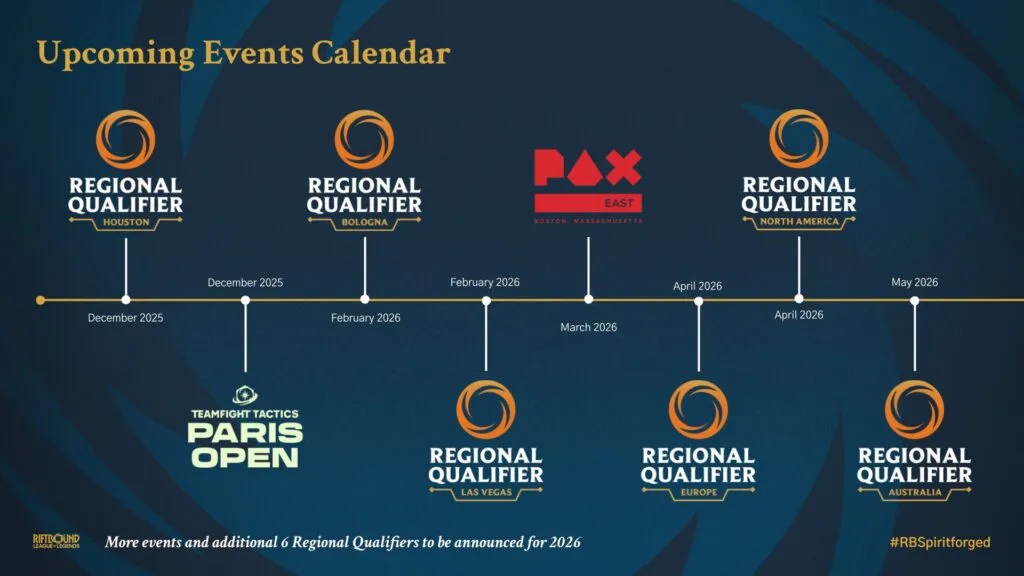
The timing of this Riftbound update strongly aligns with the game’s expanding competitive calendar. Major events are scheduled throughout April and May, including Regional Qualifiers and the ongoing Spiritforged League season.
With tournaments such as the May 3 $2K Cash Showdown and multiple Regional Qualifiers approaching, the banlist appears designed to stabilize the meta before high-level competition intensifies.
Players can review official event details through the official Riftbound events page, while broader updates and announcements are available on the Riftbound news hub.
Unleashed update adds rules changes alongside banlist
The banlist is only one part of a broader wave of updates released around the same time. Riot also rolled out major rules clarifications and system expansions tied to the upcoming Unleashed set, launching in China on April 8.
These updates are designed to support new mechanics while improving clarity and long-term scalability of the game. Among the most notable additions is the new XP system, which introduces progression-based mechanics through keywords like Hunt and Level.
Other changes include adjustments to combat resolution, clearer handling of triggered abilities, and new keyword systems aimed at making card text easier to understand in future sets.
Importantly, Riot emphasized that rules changes are not being used as balance tools. Instead, bans remain the primary method for addressing power-level concerns in competitive play.
Watch: Full banlist breakdown and early reactions
A detailed community breakdown of the banlist and its expected meta impact is available below.
Early reactions suggest the changes will significantly reshape deckbuilding, particularly for Chaos-based strategies and combo-heavy lists.
Frequently asked questions about Riftbound banlist
When did the Riftbound banlist take effect?
The banlist was announced on March 30, 2026, and became effective on March 31, 2026.
Are banned cards usable in any formats?
Yes, banned cards can still be used in limited formats such as draft and sealed events.
Why were Miracle decks targeted?
Miracle decks enabled excessive card draw and long turns, creating unhealthy gameplay and delays in tournament settings.
Did Riot ban Draven decks entirely?
No, Riot avoided banning the core legend and instead removed key supporting cards to reduce overall power.
Are more updates expected after this Riftbound update?
Yes, Riot confirmed that both rules and balance updates will continue as the competitive scene evolves.
How does this affect upcoming tournaments?
All sanctioned constructed tournaments will follow the updated banlist, meaning players must adjust decks immediately.
What this Riftbound update means going forward
This Riftbound update marks a turning point for the game’s competitive scene. By introducing its first banlist just ahead of major tournaments, Riot is prioritizing balance and long-term health over short-term stability.
Combined with the Unleashed rules overhaul, the update signals a broader effort to prepare Riftbound for a structured and sustainable competitive ecosystem.
Players should now watch how the meta evolves in upcoming Regional Qualifiers and league play, as these events will likely influence future balance decisions and additional updates.